
DbcultAccessing Vault...
Director's Spotlight
Senior Film Conservator
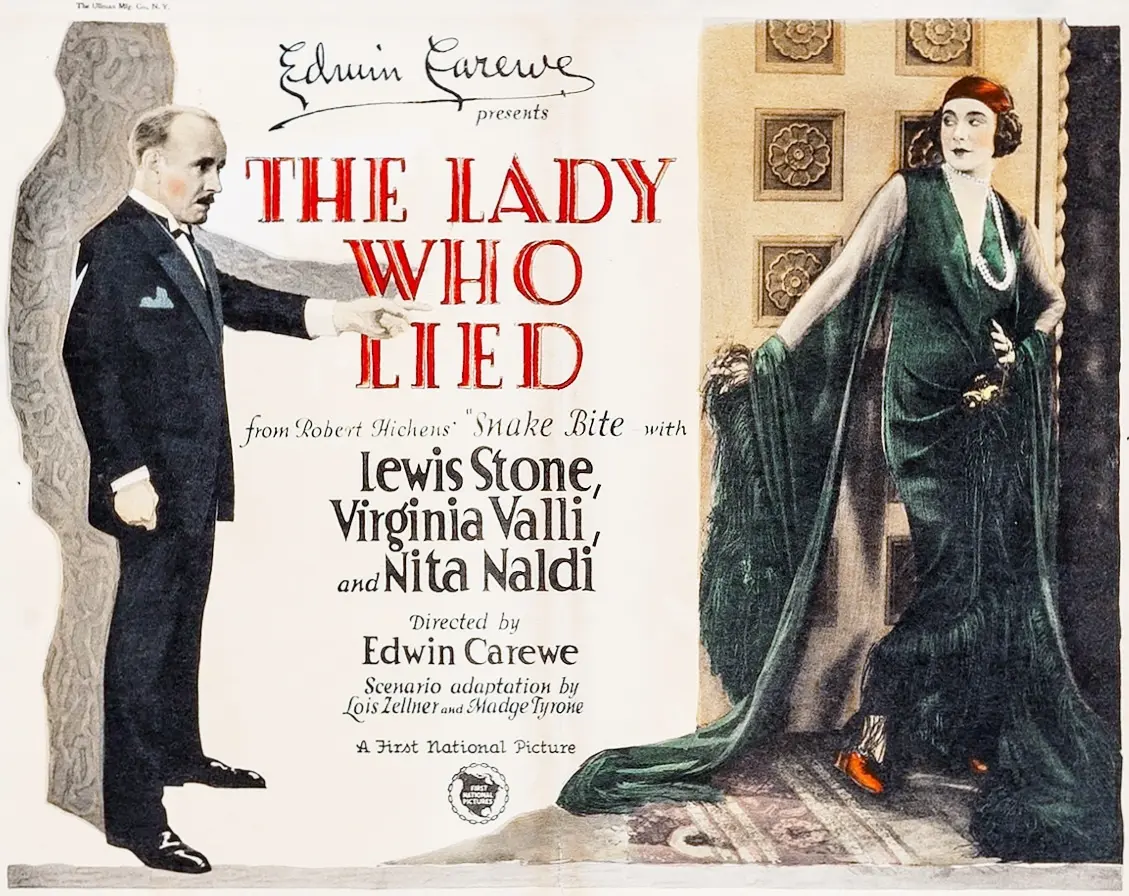
Director's Spotlight: United States
A Deep Dive into the 1925 Vision of Edwin Carewe
Under the meticulous guidance of Edwin Carewe, The Lady Who Lied became the cultural zeitgeist captured so perfectly by Edwin Carewe in 1925. Driven by an uncompromising commitment to Drama excellence, it remains a vital reference point for anyone studying the evolution of Edwin Carewe.
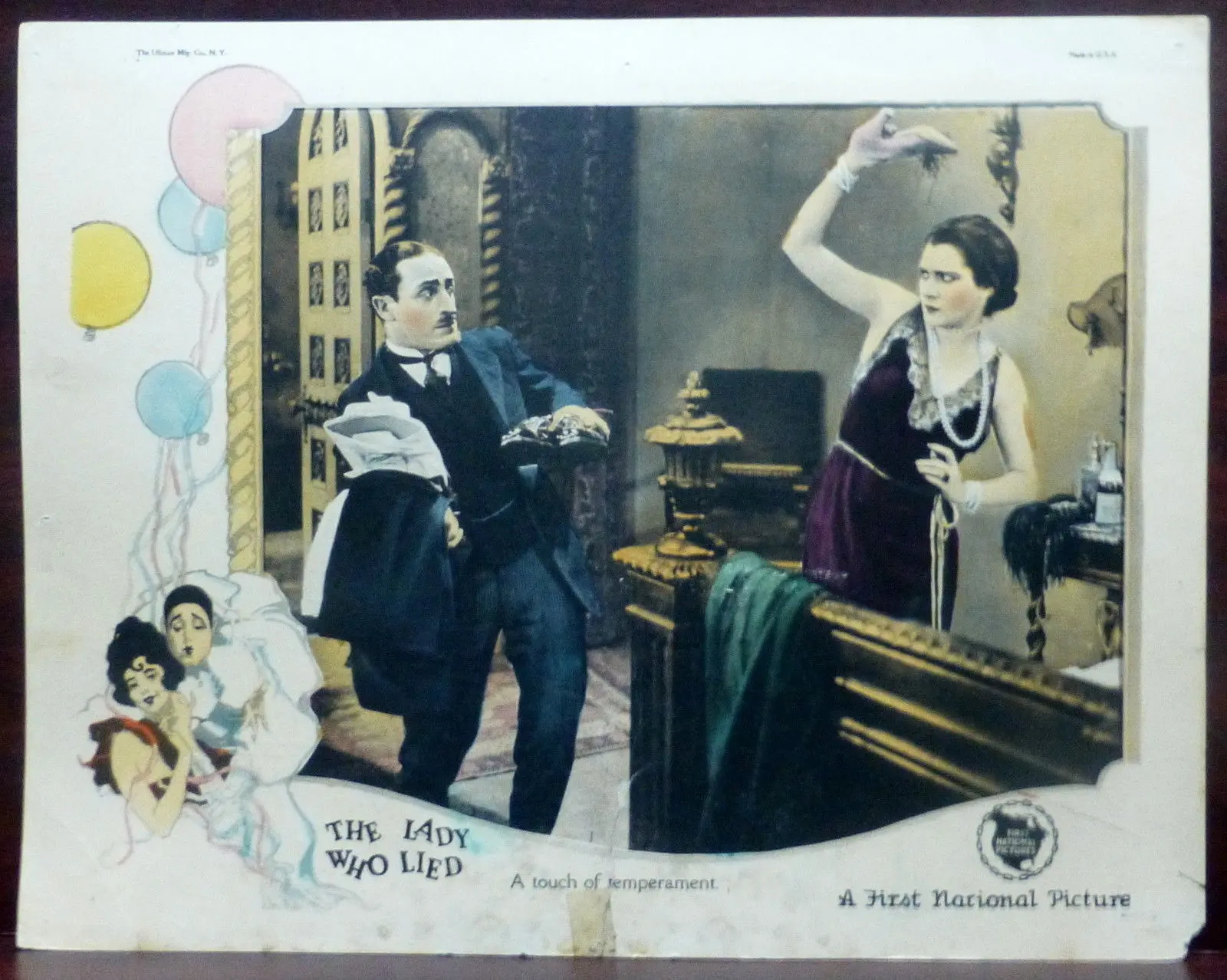
In The Lady Who Lied, Edwin Carewe pushes the boundaries of conventional narrative. The film's unique approach to its subject matter has sparked endless debates and interpretations among cinephiles and critics alike.
| Cinematography | Deep Focus |
| Soundtrack | Diegetic |
| Editing | Elliptical |
| Art Direction | Expressionist |
Visualizing the convergence of Edwin Carewe's style and the core Drama narrative.
When Fay Kennion finds her fiancé, Horace Pierpont, in an innocent but apparently compromising situation with another woman, she breaks their engagement and marries instead Alan Mortimer, a weak and alcoholic physician practicing in Algeria. Pierpont later goes on a safari and persuades Fay and the doctor to accompany him as his guests. Despite genuine attempts to remain apart, Pierpont and Fay find themselves together more and more, and Mortimer eventually discovers them in a passionate embrace. Pierpont is later bitten by a snake, and Mortimer alone can save him. Mortimer at first refuses, but Fay, deeply in love with Pierpont, feigns love for her own husband and promises to return with him to Algeria if he will help Pierpont. Mortimer finally agrees and tends the other's wounds, saving Pierpont's life. On the trip back, the caravan is attacked by bandits; Mortimer is killed; and Fay and Pierpont are free to find happiness together.
Decades after its release, The Lady Who Lied remains a vital piece of the cinematic puzzle. Its influence can be seen in countless modern works, solidifying Edwin Carewe's status as a master of the craft in United States and beyond.