
DbcultAccessing Vault...
Director's Spotlight
Senior Film Conservator
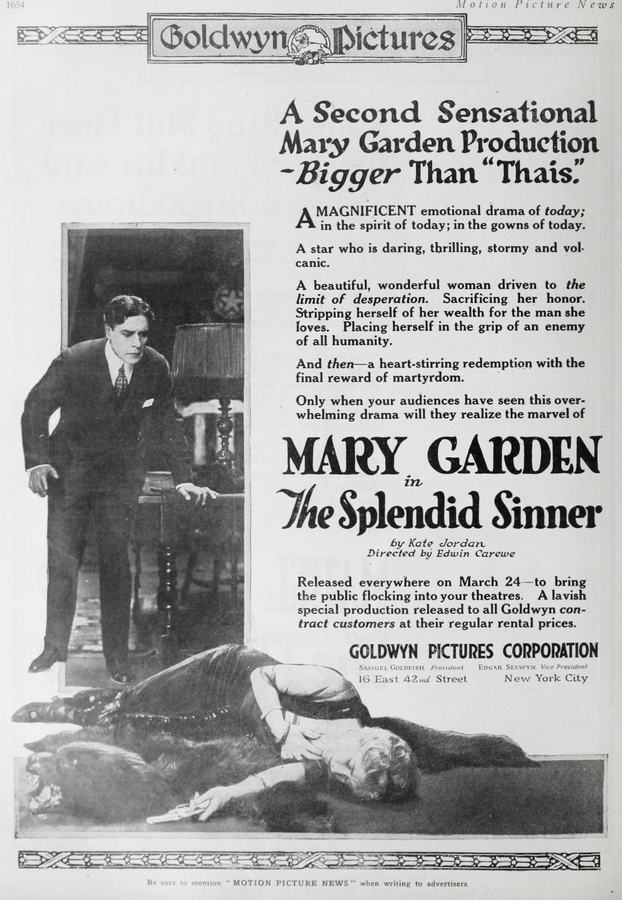
Director's Spotlight: United States
A Deep Dive into the 1918 Vision of Edwin Carewe
The 1918 release of The Splendid Sinner marked a significant moment for the stylistic boundaries pushed by Edwin Carewe during the production. In the context of United States's rich cinematic history, it invites us to question our own perceptions of cult narratives.
In The Splendid Sinner, Edwin Carewe pushes the boundaries of conventional narrative. The film's unique approach to its subject matter has sparked endless debates and interpretations among cinephiles and critics alike.
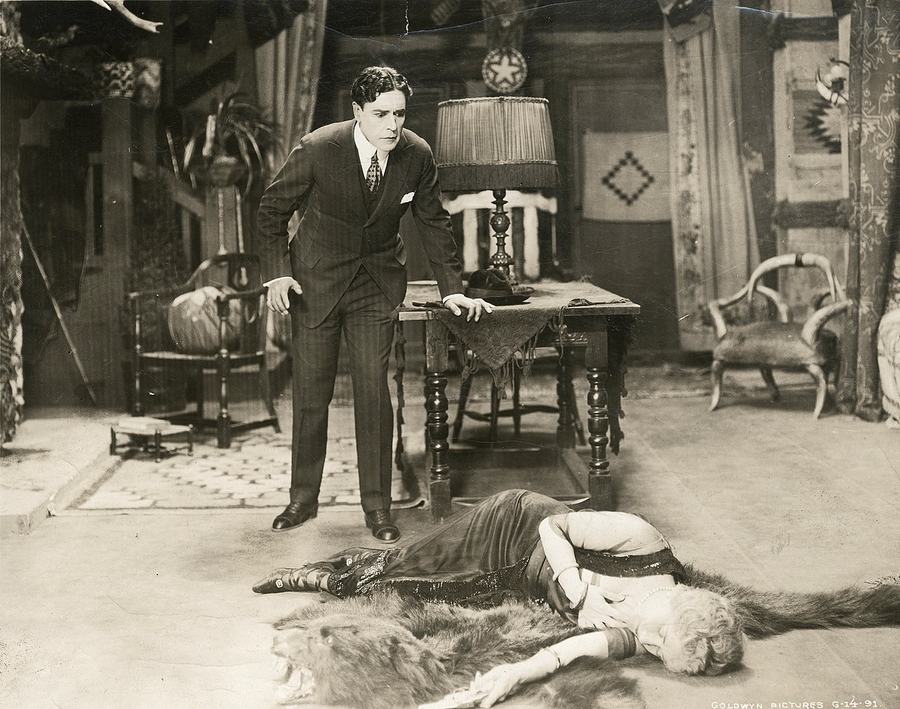
To fully appreciate The Splendid Sinner, one must consider the cinematic climate of 1918. During this period, United States was undergoing significant artistic shifts, and Edwin Carewe was at the forefront of this cult movement, often challenging established norms.
| Cinematography | Noir-Inspired |
| Soundtrack | Orchestral |
| Editing | Slow-Burn |
| Art Direction | Brutalist |
Visualizing the convergence of Edwin Carewe's style and the core cult narrative.
A woman marries a German immigrant in New York, but loses him when her soiled past is revealed. He returns to Germany after the beginning of the First World War, where he becomes a high-ranking officer in the German army. His wife joins the Red Cross and, in a combat hospital, discovers her wounded husband. Her love for both her husband and her country lead her to a great sacrifice.
Decades after its release, The Splendid Sinner remains a vital piece of the cinematic puzzle. Its influence can be seen in countless modern works, solidifying Edwin Carewe's status as a master of the craft in United States and beyond.