
DbcultAccessing Vault...
Director's Spotlight
Senior Film Conservator
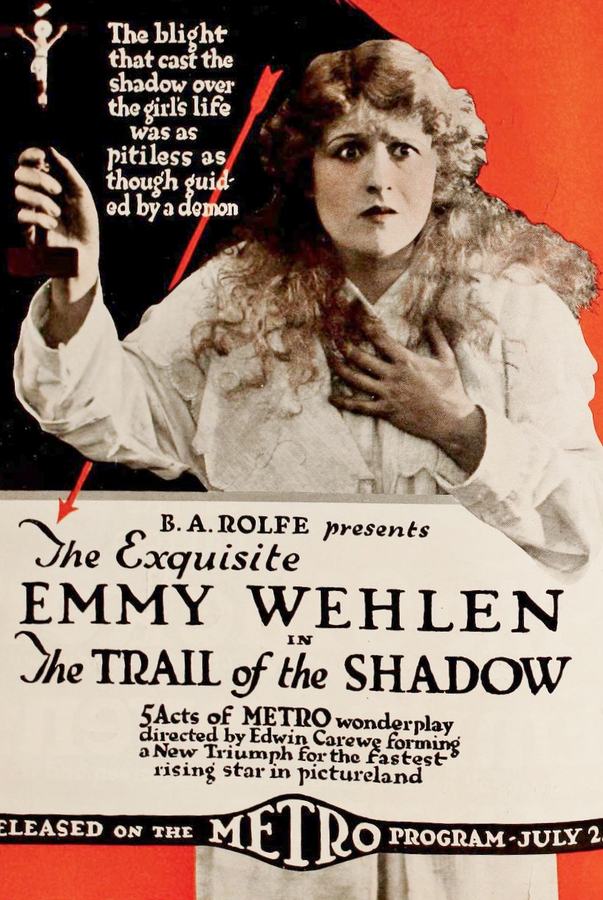
Director's Spotlight: United States
A Deep Dive into the 1917 Vision of Edwin Carewe
The enduring fascination with The Trail of the Shadow is a testament to the defining moment in cult history that Edwin Carewe helped create. This film stands as a masterclass in visual storytelling, it has cemented its place in the global cult cinema archive.
In The Trail of the Shadow, Edwin Carewe pushes the boundaries of conventional narrative. The film's unique approach to its subject matter has sparked endless debates and interpretations among cinephiles and critics alike.
| Cinematography | Noir-Inspired |
| Soundtrack | Synth-Heavy |
| Editing | Disjunctive |
| Art Direction | Baroque |
Visualizing the convergence of Edwin Carewe's style and the core cult narrative.
Sylvia Mason, a mysterious girl, lives in a cabin by herself and sells her bead work to the visitors at a large hotel nearby. At the hotel, Sylvia meets Easterner Henry Hilliard, who falls in love with her, but she refuses to marry him and will not explain her reasons. Thus Henry returns East without learning that Sylvia's father had been murdered by his private secretary Jack Leslie in revenge for her refusal to marry him. One night after Henry's departure, Leslie, now known as the outlaw "The Shadow", breaks into Sylvia's cabin. There is a struggle that leaves Sylvia unconscious, and when she awakens she finds a note claiming that because Leslie has violated her, she must marry him. Meanwhile Henry's mother, horrified that her son wants to marry this strange girl, informs Sylvia that their marriage would destroy him. Sylvia agrees to give up Henry, but he learns her story from Padre Constantine and goes to search for her. Sylvia has gone to Leslie and Henry follows. In the ensuing fight, Henry forces Leslie to admit with his dying breath that he has lied to Sylvia.
Decades after its release, The Trail of the Shadow remains a vital piece of the cinematic puzzle. Its influence can be seen in countless modern works, solidifying Edwin Carewe's status as a master of the craft in United States and beyond.