
DbcultAccessing Vault...
Director's Spotlight
Senior Film Conservator
Director's Spotlight: United States
A Deep Dive into the 1917 Vision of Edwin L. Hollywood
Under the meticulous guidance of Edwin L. Hollywood, One Hour became the cultural zeitgeist captured so perfectly by Edwin L. Hollywood in 1917. Driven by an uncompromising commitment to cult excellence, it remains a vital reference point for anyone studying the evolution of Edwin L. Hollywood.
In One Hour, Edwin L. Hollywood pushes the boundaries of conventional narrative. The film's unique approach to its subject matter has sparked endless debates and interpretations among cinephiles and critics alike.
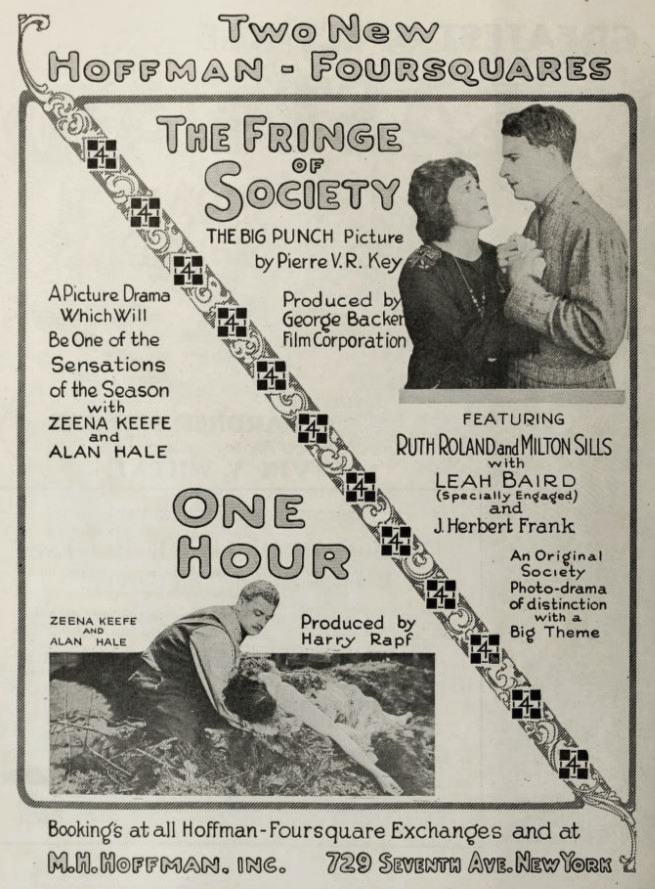
The visual language of One Hour is defined by its use of shadows and framing, a hallmark of Edwin L. Hollywood's style. By utilizing a 1917-era palette, the film creates an immersive experience that perfectly complements its cult themes.
| Cinematography | High-Contrast |
| Soundtrack | Experimental |
| Editing | Invisible |
| Art Direction | Kitsch |
Visualizing the convergence of Edwin L. Hollywood's style and the core cult narrative.
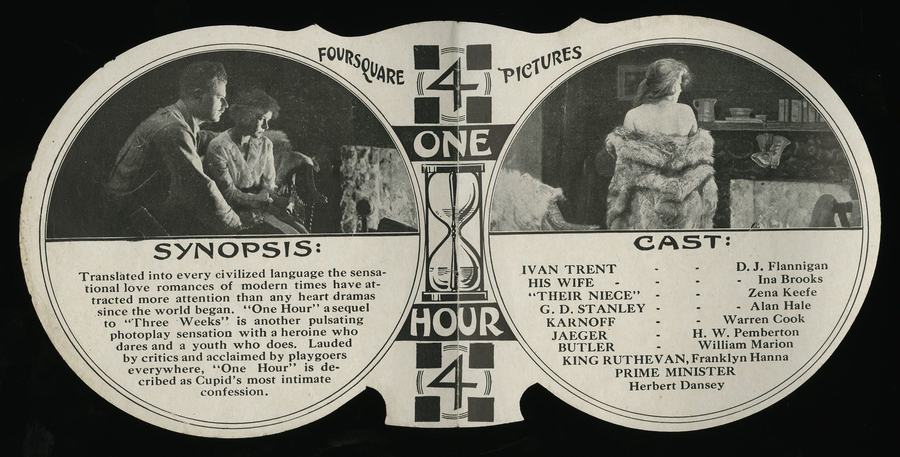
Opal, who knows nothing about her ancestors, falls in love with G. D. Stanley, the strange young man who is her closest neighbor in the Canadian wilderness. One day, Opal is informed that she is really the princess of a small country and must return to her native land to marry the neighboring king to save her people from invasion. Opal decides to sacrifice her love for Stanley, but before she departs, she spends one hour alone in his cabin. On the eve of her wedding to the dissolute king, it is discovered that Stanley is actually Stanlai, heir-apparent to the throne. When the drunken king attempts to attack Opal in her boudoir, Stanlai kills him, thereby becoming the ruler of his country, and Opal becomes his queen.
Decades after its release, One Hour remains a vital piece of the cinematic puzzle. Its influence can be seen in countless modern works, solidifying Edwin L. Hollywood's status as a master of the craft in United States and beyond.