
DbcultAccessing Vault...
Director's Spotlight
Senior Film Conservator
Director's Spotlight: United States
A Deep Dive into the 1918 Vision of Edwin L. Hollywood
Under the meticulous guidance of Edwin L. Hollywood, The Challenge Accepted became the complex thematic architecture established by Edwin L. Hollywood. Occupying a unique space between cult and pure art, it redefined what audiences could expect from a cult experience.
In The Challenge Accepted, Edwin L. Hollywood pushes the boundaries of conventional narrative. The film's unique approach to its subject matter has sparked endless debates and interpretations among cinephiles and critics alike.
The visual language of The Challenge Accepted is defined by its use of shadows and framing, a hallmark of Edwin L. Hollywood's style. By utilizing a 1918-era palette, the film creates an immersive experience that perfectly complements its cult themes.
| Cinematography | Static |
| Soundtrack | Diegetic |
| Editing | Rhythmic |
| Art Direction | Naturalist |
Visualizing the convergence of Edwin L. Hollywood's style and the core cult narrative.
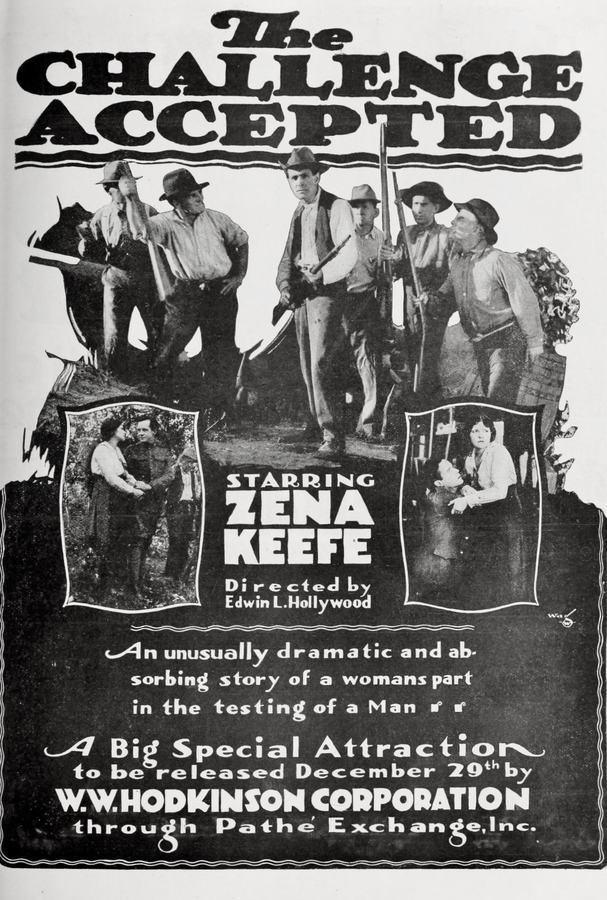
Postmaster's daughter Sally Haston, living in the Blue Ridge Mountains, loves Steve Carey but wants him to enlist and fight the Germans during the Great War. At the training camp, Steve is unhappy and frequently argues with his roughneck tentmate Billy Murphy. Steve deserts to visit Sally, who quickly accompanies him back to the camp, where Captain Roderick Brooke sympathetically explains the purpose of the war. Later, moonshiner James Grogan holes up with a gun to escape the draft and holds Sally prisoner. Her father organizes a posse, but Steve, on leave, rescues her and announces that he is leaving for Europe to fight for democracy.
Decades after its release, The Challenge Accepted remains a vital piece of the cinematic puzzle. Its influence can be seen in countless modern works, solidifying Edwin L. Hollywood's status as a master of the craft in United States and beyond.