
DbcultAccessing Vault...
Director's Spotlight
Senior Film Conservator
Director's Spotlight: United States
A Deep Dive into the 1918 Vision of Elmer Clifton
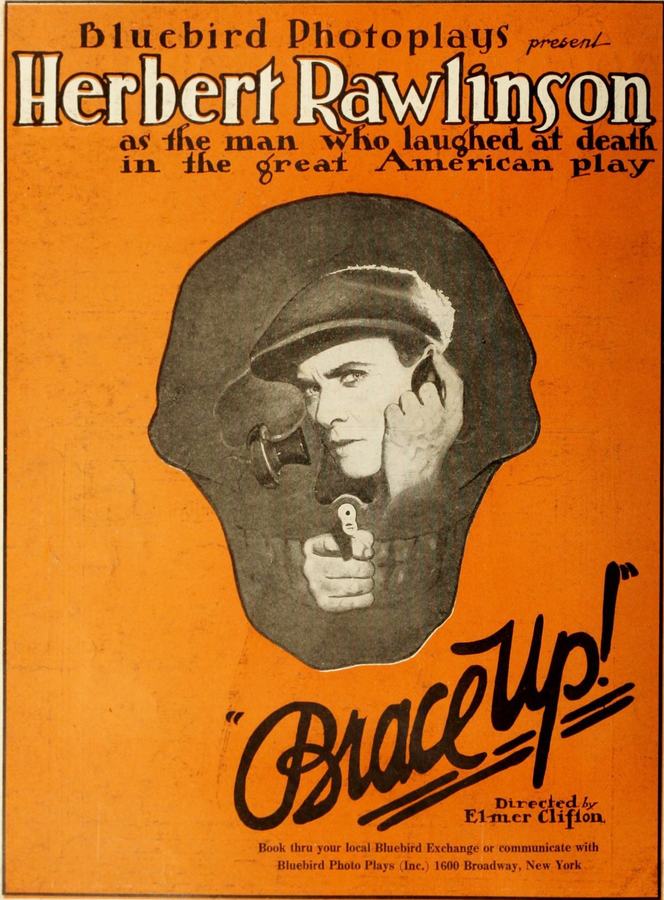
Exploring the cult underpinnings of Brace Up leads us to the uncompromising vision of Elmer Clifton that defines this cult masterpiece. Melding the raw energy of United States with a global cult appeal, it echoes the profound changes occurring in United States during that era.
In Brace Up, Elmer Clifton pushes the boundaries of conventional narrative. The film's unique approach to its subject matter has sparked endless debates and interpretations among cinephiles and critics alike.
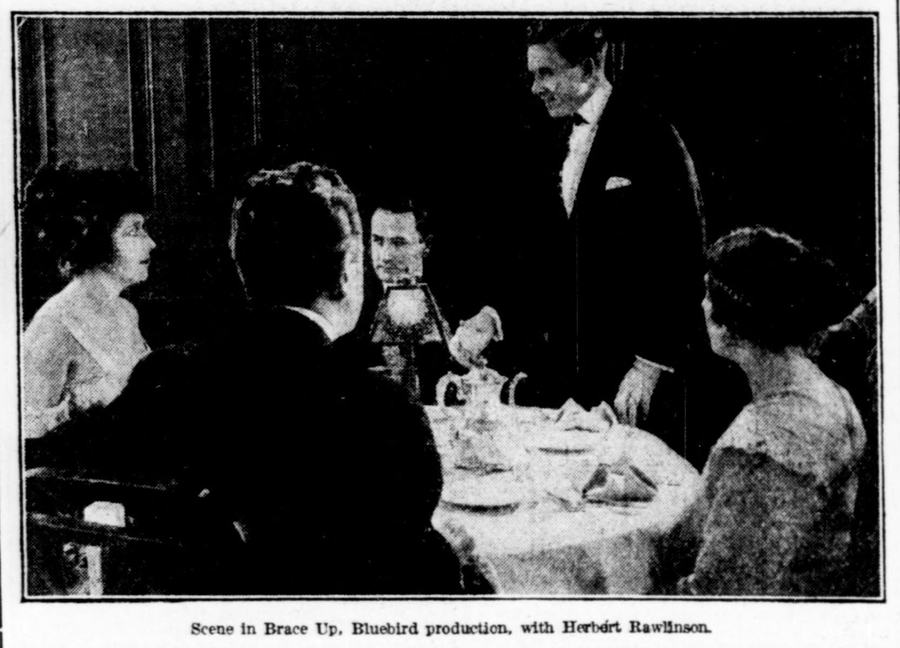
To fully appreciate Brace Up, one must consider the cinematic climate of 1918. During this period, United States was undergoing significant artistic shifts, and Elmer Clifton was at the forefront of this cult movement, often challenging established norms.
| Cinematography | High-Contrast |
| Soundtrack | Synth-Heavy |
| Editing | Disjunctive |
| Art Direction | Baroque |
Visualizing the convergence of Elmer Clifton's style and the core cult narrative.
Colonel Court, an agent in the Secret Service, is distressed by the occasional lapses of courage in his son Henry, a college athlete. Unknown to him, Henry's sweetheart Ellen is also an agent working on a case involving a radium smuggler, "National" Jim. To build his son's character, Court puts him on the same case that Ellen has been assigned to, but his courage again fails him. Henry decides to turn to the powers of the psyche and hires three men to communicate power and courage to him through intense concentration. The scheme works: Henry enters Jim's house in time to defeat him in a fight, locate the hidden radium and save Ellen.
Decades after its release, Brace Up remains a vital piece of the cinematic puzzle. Its influence can be seen in countless modern works, solidifying Elmer Clifton's status as a master of the craft in United States and beyond.