
DbcultAccessing Vault...
Director's Spotlight
Senior Film Conservator
Director's Spotlight: United States
A Deep Dive into the 1918 Vision of Elmer Clifton
The cult DNA of The Guilt of Silence is a reflection of United States's the historical context that Elmer Clifton weaves into the cult fabric. Challenging the viewer to find meaning in the cult shadows, it transcends regional boundaries to tell a universal story.
In The Guilt of Silence, Elmer Clifton pushes the boundaries of conventional narrative. The film's unique approach to its subject matter has sparked endless debates and interpretations among cinephiles and critics alike.
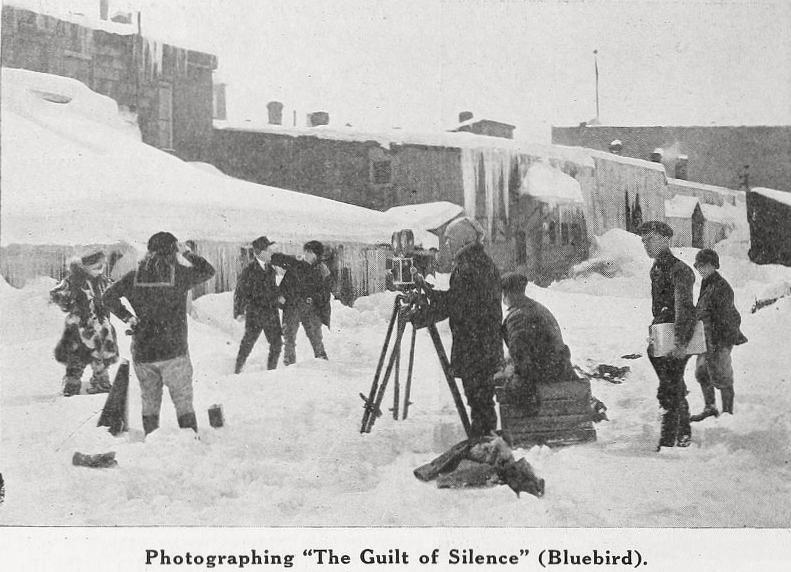
To fully appreciate The Guilt of Silence, one must consider the cinematic climate of 1918. During this period, United States was undergoing significant artistic shifts, and Elmer Clifton was at the forefront of this cult movement, often challenging established norms.
| Cinematography | Deep Focus |
| Soundtrack | Synth-Heavy |
| Editing | Disjunctive |
| Art Direction | Baroque |
Visualizing the convergence of Elmer Clifton's style and the core cult narrative.
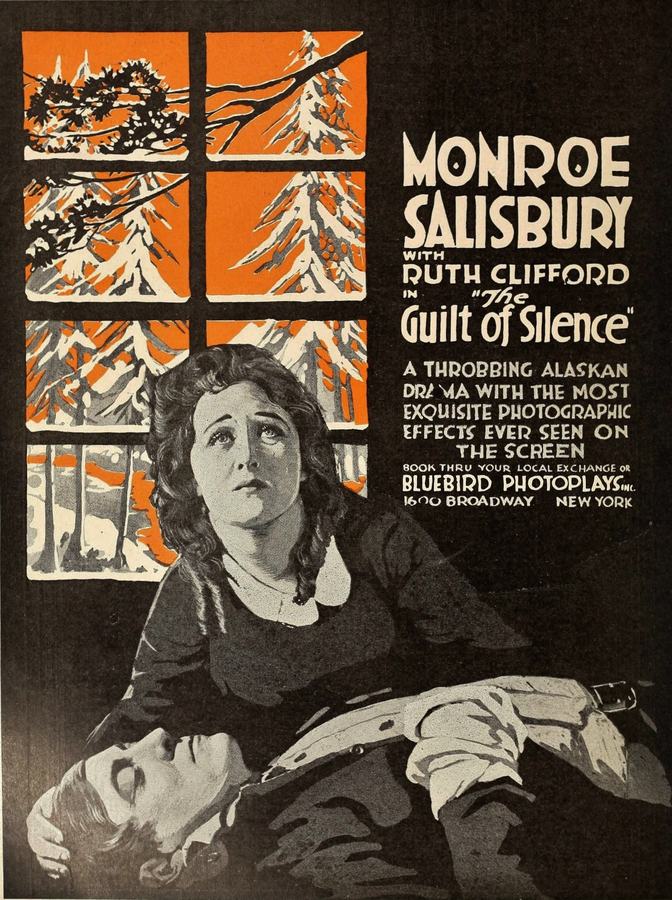
During the Alaskan gold rush, two unscrupulous fortune-seekers, Amy and her husband Gambler Joe, rob Mathew Smith, who has offered them shelter from a snow storm. Mathew pursues them but loses his way, and by the time Harkness finds him, he is nearly dead from exposure. Mathew, nicknamed "Silent" Smith because the storm has robbed him of his voice, lives in friendship with Harkness until the latter marries Amy, who has found employment in a local dance hall. After the ceremony, Harkness is called away to protect his mining interests, and in his absence, his daughter Mary arrives for a visit. Silent and Mary fall in love, but Mary's suspicions are aroused when Amy gives birth to a child. Shortly afterwards, Harkness returns. Amy insists that Silent is the baby's father, whereupon Harkness shoots his friend, wounding him in the shoulder. Smith regains his voice, and through the help of an Indian who is familiar with Amy and Joe's treachery, reveals that she was a married woman long before she met Harkness. Mary returns to Smith, and the two settle down with Harkness.
Decades after its release, The Guilt of Silence remains a vital piece of the cinematic puzzle. Its influence can be seen in countless modern works, solidifying Elmer Clifton's status as a master of the craft in United States and beyond.