
DbcultAccessing Vault...
Director's Spotlight
Senior Film Conservator
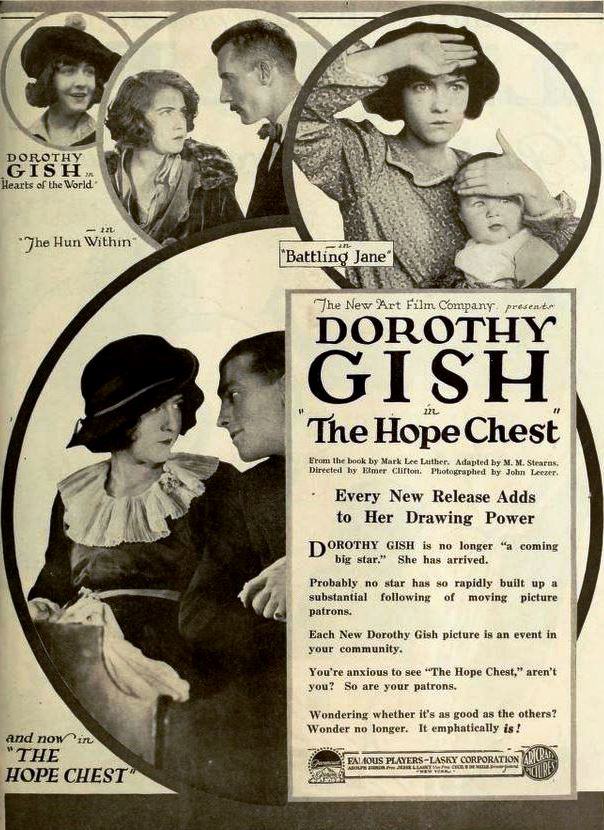
Director's Spotlight: United States
A Deep Dive into the 1918 Vision of Elmer Clifton
Under the meticulous guidance of Elmer Clifton, The Hope Chest became the cultural zeitgeist captured so perfectly by Elmer Clifton in 1918. Driven by an uncompromising commitment to cult excellence, it remains a vital reference point for anyone studying the evolution of Elmer Clifton.
In The Hope Chest, Elmer Clifton pushes the boundaries of conventional narrative. The film's unique approach to its subject matter has sparked endless debates and interpretations among cinephiles and critics alike.
In this work, Elmer Clifton explores the intersection of cult and United States cultural identity. The meticulous attention to detail suggests a deep-seated commitment to pushing the boundaries of the medium, ensuring that The Hope Chest remains a relevant topic of study for cult enthusiasts.
| Cinematography | Noir-Inspired |
| Soundtrack | Experimental |
| Editing | Invisible |
| Art Direction | Kitsch |
Visualizing the convergence of Elmer Clifton's style and the core cult narrative.
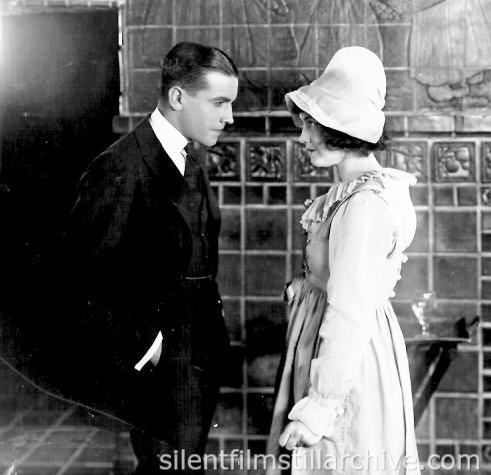
Daughter of impoverished vaudeville actor Lew Moore, Sheila ( Dorothy Gish ) works as a waitress in a chocolate manufacturer's candy shop, where she delights the customers with her tomboyish antics. Tom Ballantyne ( Richard Barthelmess ), the proprietor's son realizes that Sheila is excessively fond of dancing, asks her out without the benefit of a proper introduction, and she indignantly refuses. Soon afterwards, however, the two fall in love and secretly marry. Sheila's father insists that Tom's parents be informed, but when the young groom breaks the news, they react with such anger that Tom leaves home. Meanwhile, Sheila remains with the Ballantynes as their ward on the condition that she keep her marriage and her lineage a secret. One evening, Sheila decides to visit her father's theater but is discovered there by the Ballantynes. Infuriated, she vents her anger at the snobbish family and returns home with her father, but Tom follows her, and in the end, all of the parties are reconciled.
Decades after its release, The Hope Chest remains a vital piece of the cinematic puzzle. Its influence can be seen in countless modern works, solidifying Elmer Clifton's status as a master of the craft in United States and beyond.