
DbcultAccessing Vault...
Director's Spotlight
Senior Film Conservator
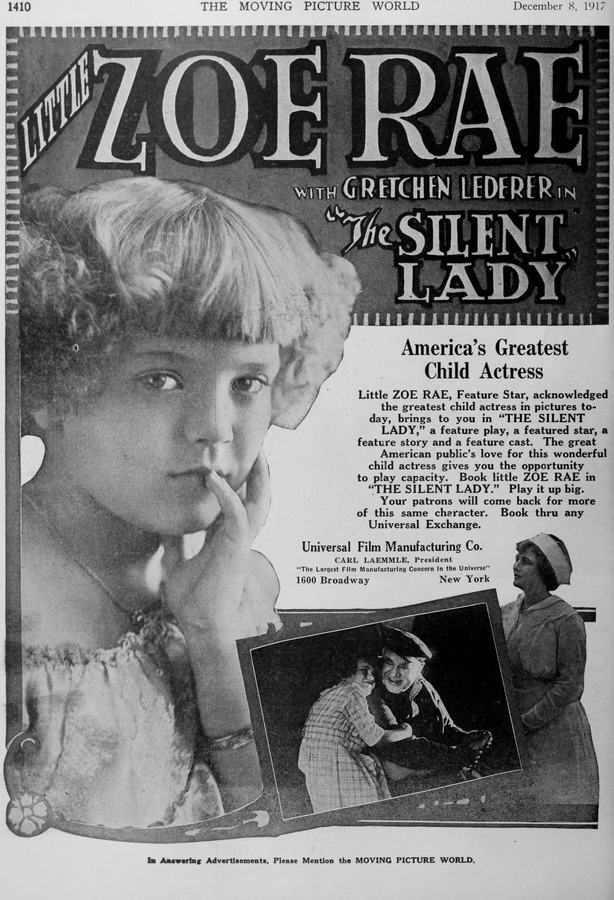
Director's Spotlight: United States
A Deep Dive into the 1917 Vision of Elsie Jane Wilson
Analyzing The Silent Lady (1917) requires a deep dive into the defining moment in cult history that Elsie Jane Wilson helped create. Defining a new era of United States artistic expression, it transcends regional boundaries to tell a universal story.
In The Silent Lady, Elsie Jane Wilson pushes the boundaries of conventional narrative. The film's unique approach to its subject matter has sparked endless debates and interpretations among cinephiles and critics alike.
The visual language of The Silent Lady is defined by its use of shadows and framing, a hallmark of Elsie Jane Wilson's style. By utilizing a 1917-era palette, the film creates an immersive experience that perfectly complements its cult themes.
| Cinematography | Noir-Inspired |
| Soundtrack | Experimental |
| Editing | Invisible |
| Art Direction | Kitsch |
Visualizing the convergence of Elsie Jane Wilson's style and the core cult narrative.
Little orphaned Kate lives happily in a New England lighthouse with its old keepers, Philemon, Peter, and Captain Bartholomew. When Kate falls sick, the prudish Philemon hires Miss Summerville, a live-in nurse, to care for her, but is concerned about possible gossip. To alleviate the situation, each keeper and Dr. Carlyle propose to Miss Summerville, but she rejects them all. After hearing that Captain Peyton, a lighthouse inspector, is scheduled to arrive, Miss Summerville makes sudden plans to depart without explanation. At the urging of Carlyle, she agrees to stay, but tries to avoid Peyton by turning off the lighthouse beacon. Concerned for the safety of the passing ships, Kate relights the beacon and Miss Summerville is forced to meet Peyton. When Philemon learns that Peyton and the nurse were once lovers, he demands her resignation, but Carlyle and Kate stoutly defend her honor. Touched by his devotion, Miss Summerville finally agrees to marry Carlyle.
Decades after its release, The Silent Lady remains a vital piece of the cinematic puzzle. Its influence can be seen in countless modern works, solidifying Elsie Jane Wilson's status as a master of the craft in United States and beyond.