
DbcultAccessing Vault...
Director's Spotlight
Senior Film Conservator
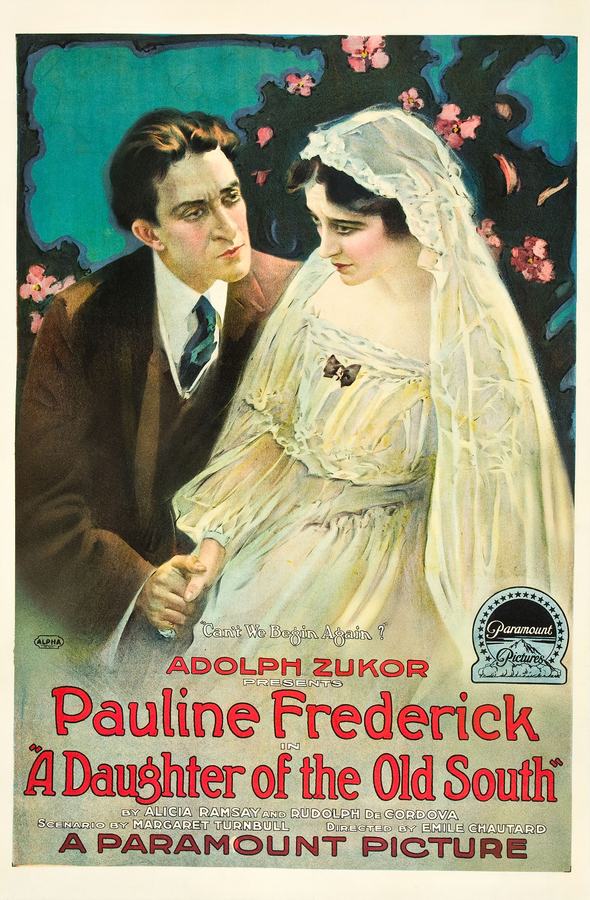
Director's Spotlight: United States
A Deep Dive into the 1918 Vision of Emile Chautard
Under the meticulous guidance of Emile Chautard, A Daughter of the Old South became the cultural zeitgeist captured so perfectly by Emile Chautard in 1918. Driven by an uncompromising commitment to cult excellence, it remains a vital reference point for anyone studying the evolution of Emile Chautard.
In A Daughter of the Old South, Emile Chautard pushes the boundaries of conventional narrative. The film's unique approach to its subject matter has sparked endless debates and interpretations among cinephiles and critics alike.
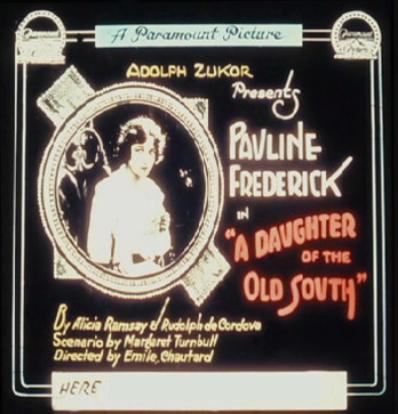
While deeply rooted in United States, A Daughter of the Old South has achieved a global reach, influencing directors from various backgrounds. Its ability to translate cult tropes into a universal cinematic language is why it remains a cult staple decades after its 1918 release.
| Cinematography | Noir-Inspired |
| Soundtrack | Minimalist |
| Editing | Slow-Burn |
| Art Direction | Brutalist |
Visualizing the convergence of Emile Chautard's style and the core cult narrative.
Although Dolores Jardine's grandmother has engaged her to the wealthy young Spaniard, Pedro De Alvarez, she is determined to marry a man of her own choosing. She falls in love with novelist Richard Ferris who, although initially attracted by her beauty and Creole charm, abandons the girl when his old flame Lillian Hetherington suddenly appears. Seeking revenge, Dolores invites Richard to dinner and conceals Lillian behind a curtain. After overhearing Richard promise to marry Dolores, Lillian leaves in disgust and Dolores wanders into the woods distraught. Pedro prevents her from drowning herself and takes her to his heart.
Decades after its release, A Daughter of the Old South remains a vital piece of the cinematic puzzle. Its influence can be seen in countless modern works, solidifying Emile Chautard's status as a master of the craft in United States and beyond.