
DbcultAccessing Vault...
Director's Spotlight
Senior Film Conservator
Director's Spotlight: United States
A Deep Dive into the 1916 Vision of Emile Chautard
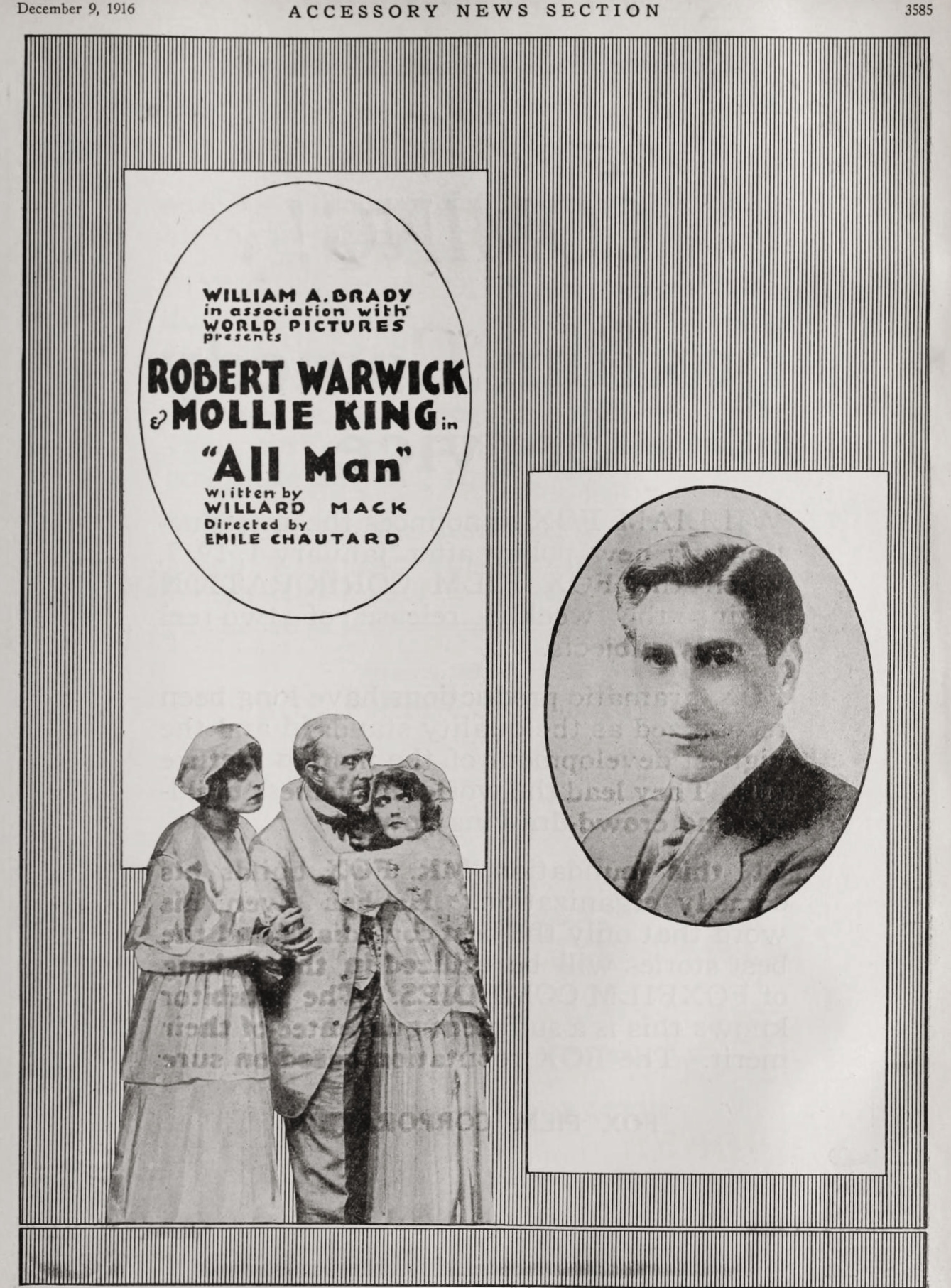
In the storied career of Emile Chautard, All Man stands as a the atmospheric immersion that Emile Chautard achieves throughout All Man. Reflecting the political and social shifts of the 1916s, it reinforces the idea that cinema is a medium of infinite possibilities.
In All Man, Emile Chautard pushes the boundaries of conventional narrative. The film's unique approach to its subject matter has sparked endless debates and interpretations among cinephiles and critics alike.
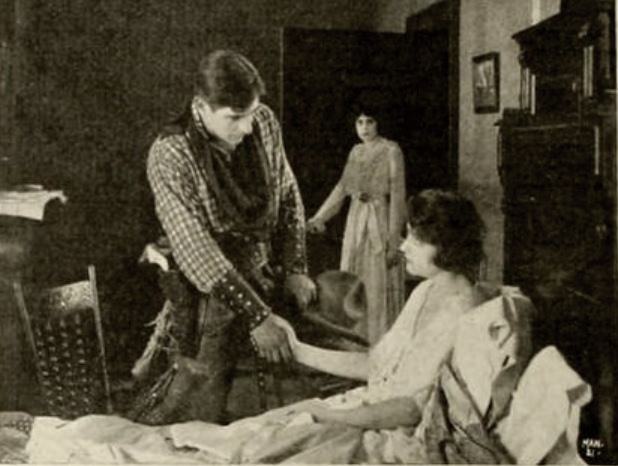
In this work, Emile Chautard explores the intersection of cult and United States cultural identity. The meticulous attention to detail suggests a deep-seated commitment to pushing the boundaries of the medium, ensuring that All Man remains a relevant topic of study for cult enthusiasts.
| Cinematography | Noir-Inspired |
| Soundtrack | Experimental |
| Editing | Elliptical |
| Art Direction | Expressionist |
Visualizing the convergence of Emile Chautard's style and the core cult narrative.
Jim Blake, the playboy son of a New York millionaire, heads west to prove himself a man. He goes to work on his father's ranch in Wyoming, and eventually wins over the locals by turning the tables on a town bully and trying to collect damages from a railroad magnate, whose trains have killed many of the Blake ranch's cattle. When the railroad refuses to pay, Jim comes up with a plan that will make them pay far more than they originally had to. Problems arise when he falls in love with Alice, the railroad magnate's daughter.
Decades after its release, All Man remains a vital piece of the cinematic puzzle. Its influence can be seen in countless modern works, solidifying Emile Chautard's status as a master of the craft in United States and beyond.