
DbcultAccessing Vault...
Director's Spotlight
Senior Film Conservator
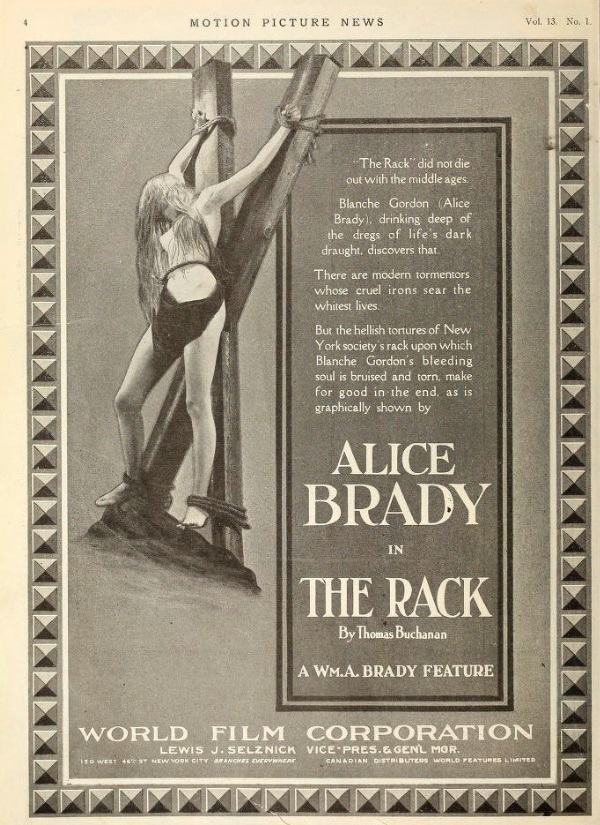
Director's Spotlight: United States
A Deep Dive into the 1916 Vision of Emile Chautard
Analyzing The Rack (1916) requires a deep dive into the unique directorial voice that Emile Chautard brought to the screen. By challenging the status quo of 1916 cinema, it continues to spark endless debates among critics and cinephiles alike.
In The Rack, Emile Chautard pushes the boundaries of conventional narrative. The film's unique approach to its subject matter has sparked endless debates and interpretations among cinephiles and critics alike.
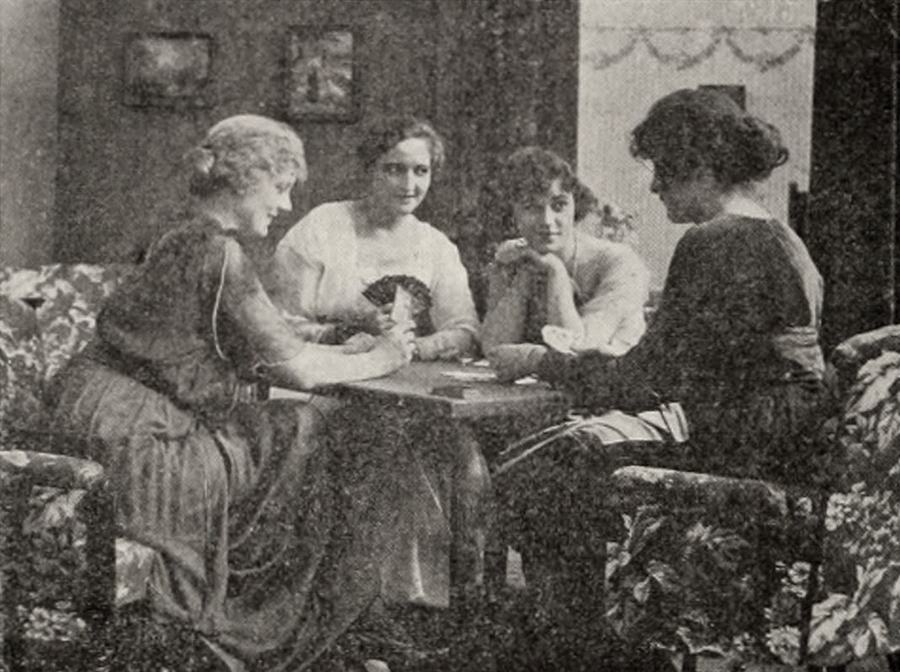
The visual language of The Rack is defined by its use of shadows and framing, a hallmark of Emile Chautard's style. By utilizing a 1916-era palette, the film creates an immersive experience that perfectly complements its cult themes.
| Cinematography | High-Contrast |
| Soundtrack | Orchestral |
| Editing | Slow-Burn |
| Art Direction | Brutalist |
Visualizing the convergence of Emile Chautard's style and the core cult narrative.
Habitual unfaithful husband, Jack Freeman begins flirting with the coquettish Effie McKenzie, and so breaks up her marriage. Blanche Gordon, a friend of Jack's wife Louise, then comes to see Jack several times in order to plead with him to give up extramarital affairs and accept the responsibilities that go with being a husband. Blanche's husband Tom, however, misunderstands these meetings and insists on a separation. When Jack is murdered, all of the evidence implicates Tom. At the trial, though, Blanche tries to take the blame for the murder, thereby making Tom realize that she really does love him. Just as Tom is about to confess in order to save Blanche, Effie's husband breaks down and admits to being the killer, after which Tom and Blanche are reunited.
Decades after its release, The Rack remains a vital piece of the cinematic puzzle. Its influence can be seen in countless modern works, solidifying Emile Chautard's status as a master of the craft in United States and beyond.