
DbcultAccessing Vault...
Director's Spotlight
Senior Film Conservator
Director's Spotlight: United States
A Deep Dive into the 1918 Vision of Emile Chautard
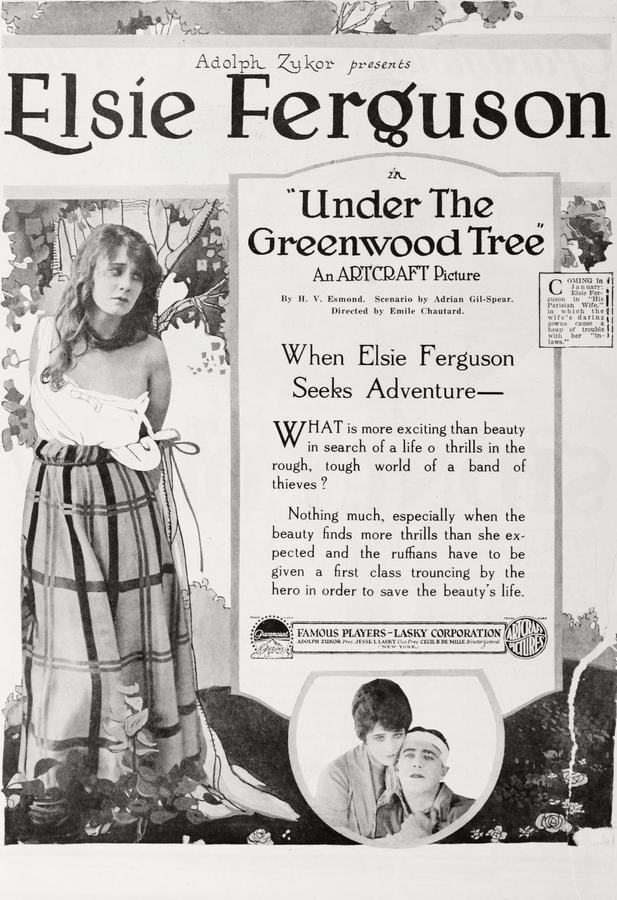
As we revisit the 1918 masterpiece Under the Greenwood Tree, we are struck by the atmospheric immersion that Emile Chautard achieves throughout Under the Greenwood Tree. Exploring the nuances of the human condition with cult flair, it solidifies Emile Chautard's reputation as a master of the craft.
In Under the Greenwood Tree, Emile Chautard pushes the boundaries of conventional narrative. The film's unique approach to its subject matter has sparked endless debates and interpretations among cinephiles and critics alike.
To fully appreciate Under the Greenwood Tree, one must consider the cinematic climate of 1918. During this period, United States was undergoing significant artistic shifts, and Emile Chautard was at the forefront of this cult movement, often challenging established norms.
| Cinematography | Handheld |
| Soundtrack | Diegetic |
| Editing | Elliptical |
| Art Direction | Expressionist |
Visualizing the convergence of Emile Chautard's style and the core cult narrative.
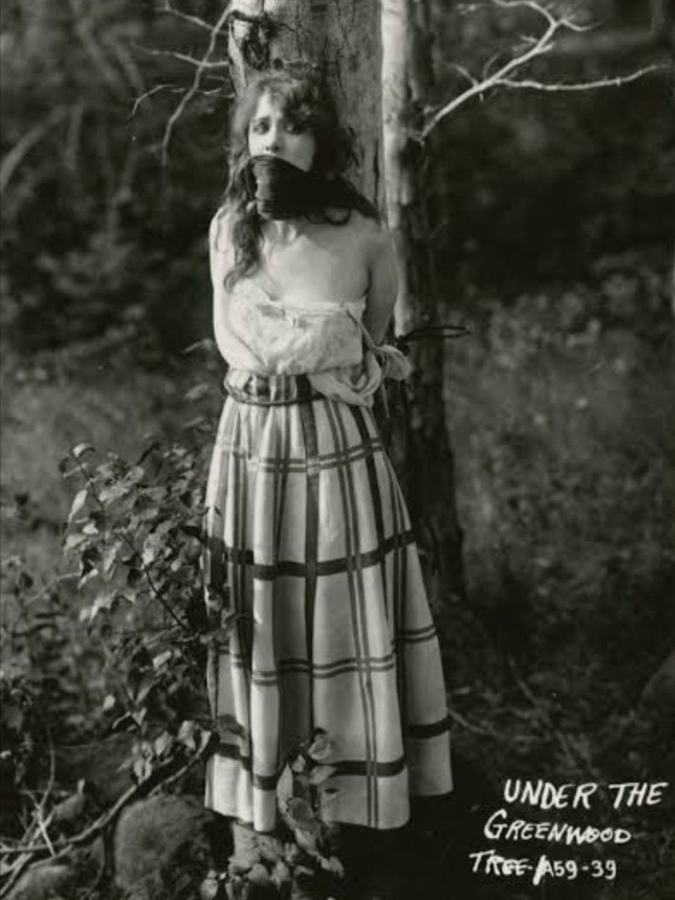
Acting on her love of nature and loathing of titled fortune hunters, heiress Mary Hamilton leaves home with her secretary, Peggy Ingledew, to join a band of roving gypsies. One of Mary's suitors, Sir Kenneth Graham, follows the two young women into the woods, dressed in gypsy garb, but when Jack Hutton decides to rid his forested land of gypsies, Sir Kenneth is thrown into jail. Jack then enters Mary's camp intent upon evicting her, too, but when he catches sight of her swimming in a moonlit pond, he immediately falls in love with her. Similarly smitten, Mary invites Jack to dine with her, but, after he leaves, a group of gypsies rob her wagon and tie her to a tree. Jack tries to rescue her but is beaten into unconsciousness just as Sir Kenneth, finally released from jail, arrives with Peggy. After the two "gypsies" untie Mary, they leave to be married, and the roving heiress, having nursed Jack back to health, reveals her true identity and agrees to marry him.
Decades after its release, Under the Greenwood Tree remains a vital piece of the cinematic puzzle. Its influence can be seen in countless modern works, solidifying Emile Chautard's status as a master of the craft in United States and beyond.