
DbcultAccessing Vault...
Director's Spotlight
Senior Film Conservator
Director's Spotlight: United States
A Deep Dive into the 1921 Vision of Emmett J. Flynn
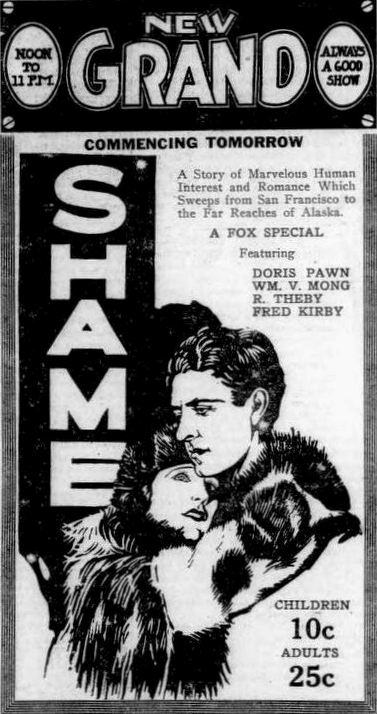
To understand the modern evolution of United States film, one must first look at Shame and the collaborative alchemy between Emmett J. Flynn and the 1921 creative team. Subverting the expectations of the typical 1921 audience, it remains a vital reference point for anyone studying the evolution of Emmett J. Flynn.
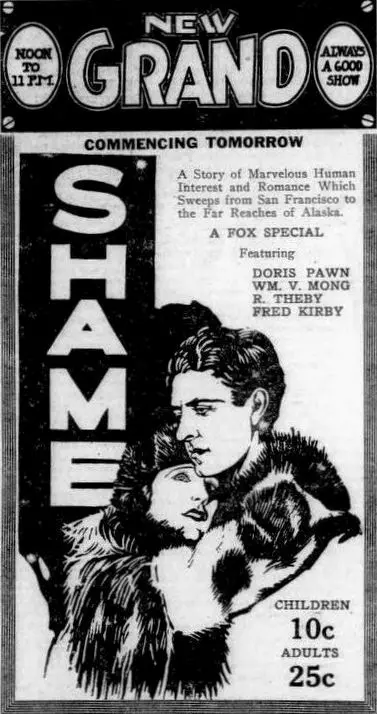
In Shame, Emmett J. Flynn pushes the boundaries of conventional narrative. The film's unique approach to its subject matter has sparked endless debates and interpretations among cinephiles and critics alike.
| Cinematography | Noir-Inspired |
| Soundtrack | Experimental |
| Editing | Elliptical |
| Art Direction | Expressionist |
Visualizing the convergence of Emmett J. Flynn's style and the core Drama narrative.
While living in Shanghai with his young son David, William Fielding is close friends with his secretary, Li Clung, after the death of his wife. Foo Chang, a trader, loves the young woman who cares for young David and kills Fielding when he assumes that she is the boy's mother. Li Clung takes the child to his grandfather in San Francisco, where he grows up and inherits the Fielding estate. Following David's marriage, Foo Chang tries to bribe David to help him bring a cargo of opium into the city, informing him that he is a half-caste. Without waiting to learn the truth from Li Clung, David takes his infant son and goes to Alaska. He is followed by his wife and his faithful servant Li Clung, who kills Foo Chang and explains that David's mother was not Chinese. Brought to his senses, David returns with them to San Francisco.
Decades after its release, Shame remains a vital piece of the cinematic puzzle. Its influence can be seen in countless modern works, solidifying Emmett J. Flynn's status as a master of the craft in United States and beyond.