
DbcultAccessing Vault...
Director's Spotlight
Senior Film Conservator
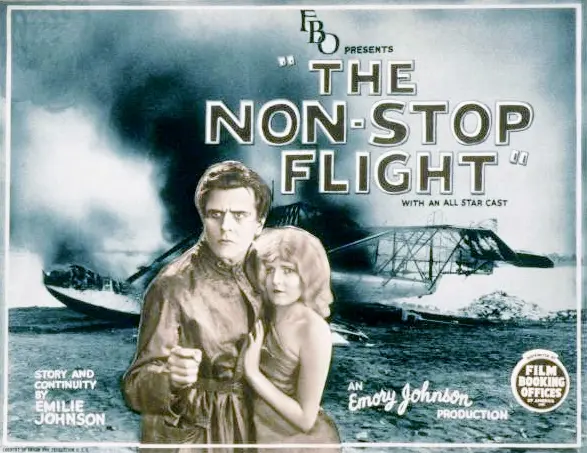
Director's Spotlight: United States
A Deep Dive into the 1926 Vision of Emory Johnson
Witnessing the stylistic transformation of Action through The Non-Stop Flight reveals the provocative questions that Emory Johnson poses to the United States audience. Exploring the nuances of the human condition with Action flair, it showcases the power of Action as a tool for social commentary.
In The Non-Stop Flight, Emory Johnson pushes the boundaries of conventional narrative. The film's unique approach to its subject matter has sparked endless debates and interpretations among cinephiles and critics alike.
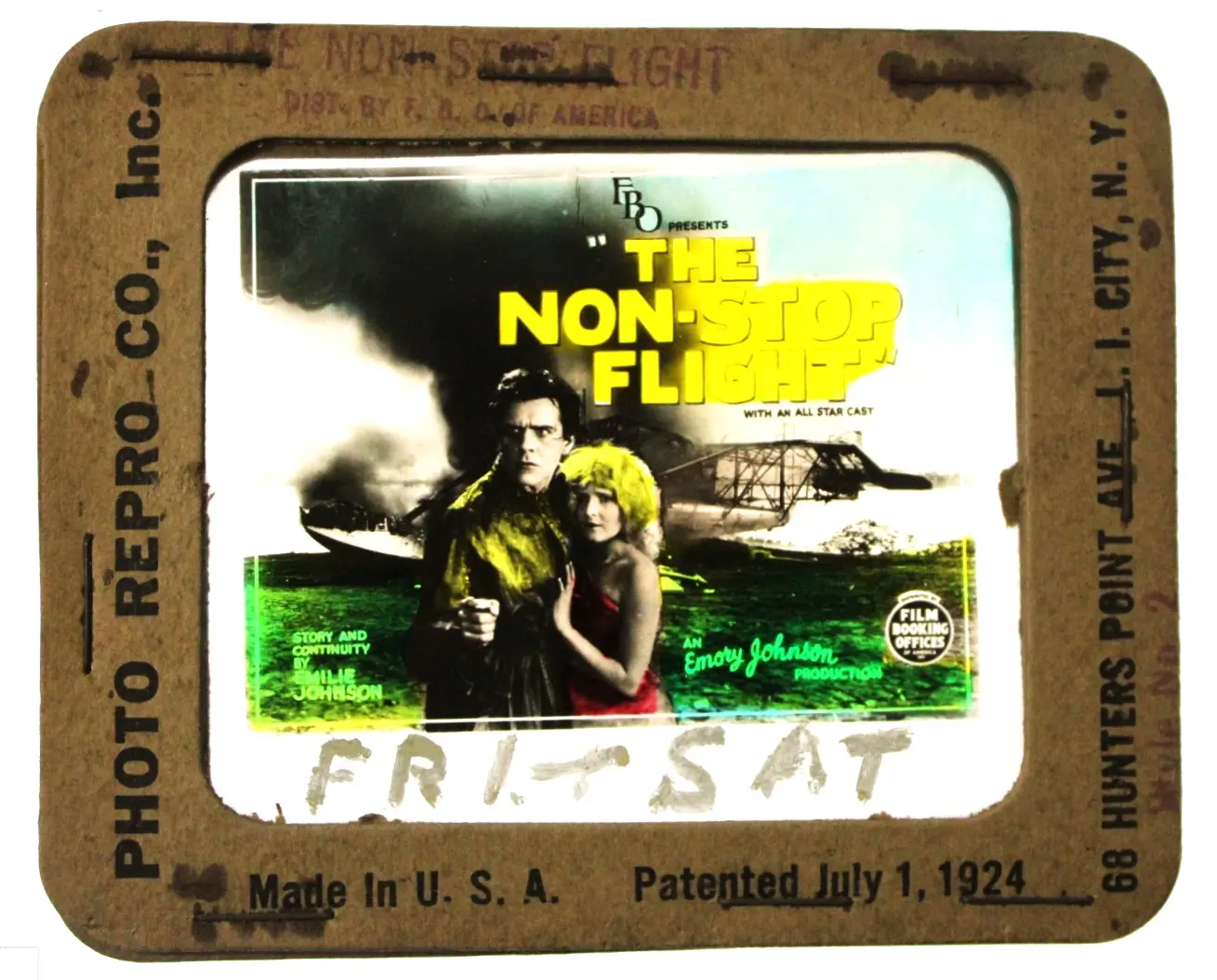
While deeply rooted in United States, The Non-Stop Flight has achieved a global reach, influencing directors from various backgrounds. Its ability to translate Action tropes into a universal cinematic language is why it remains a cult staple decades after its 1926 release.
| Cinematography | Deep Focus |
| Soundtrack | Minimalist |
| Editing | Disjunctive |
| Art Direction | Baroque |
Visualizing the convergence of Emory Johnson's style and the core Action narrative.
Lars Larson, a Swedish sea captain, returns home after a long voyage and finds that his wife, Anna, and their child have been kidnapped by Karl Kruger, captain of The Gretchen; bitter against the world, he becomes a smuggler. Twenty years later, the United States Navy is preparing for its epochal nonstop airplane flight from San Francisco to Hawaii. Owing to a fuel shortage the plane is forced to alight on the sea, where the commander and Jack Connell, second officer, keep up the crew's spirits; and while they are being sought by a battle fleet, the PN9 drifts to an uncharted desert island, where they find Jan Berg, an old sailor, and Marie Larson, who survived a shipwreck. Nevers falls in love with Marie, Larson's lost daughter. Aboard Larson's ship, Ah Wing, leader of some Chinese coolies, spies Marie on the island and determines to possess her; a battle ensues between the Chinese and the aviators and ship's crew. A Navy submarine arrives, and its crew aids in subduing the Chinese; Larson discovers that Marie is his daughter; and she is united with Jack.
Decades after its release, The Non-Stop Flight remains a vital piece of the cinematic puzzle. Its influence can be seen in countless modern works, solidifying Emory Johnson's status as a master of the craft in United States and beyond.