
DbcultAccessing Vault...
Director's Spotlight
Senior Film Conservator
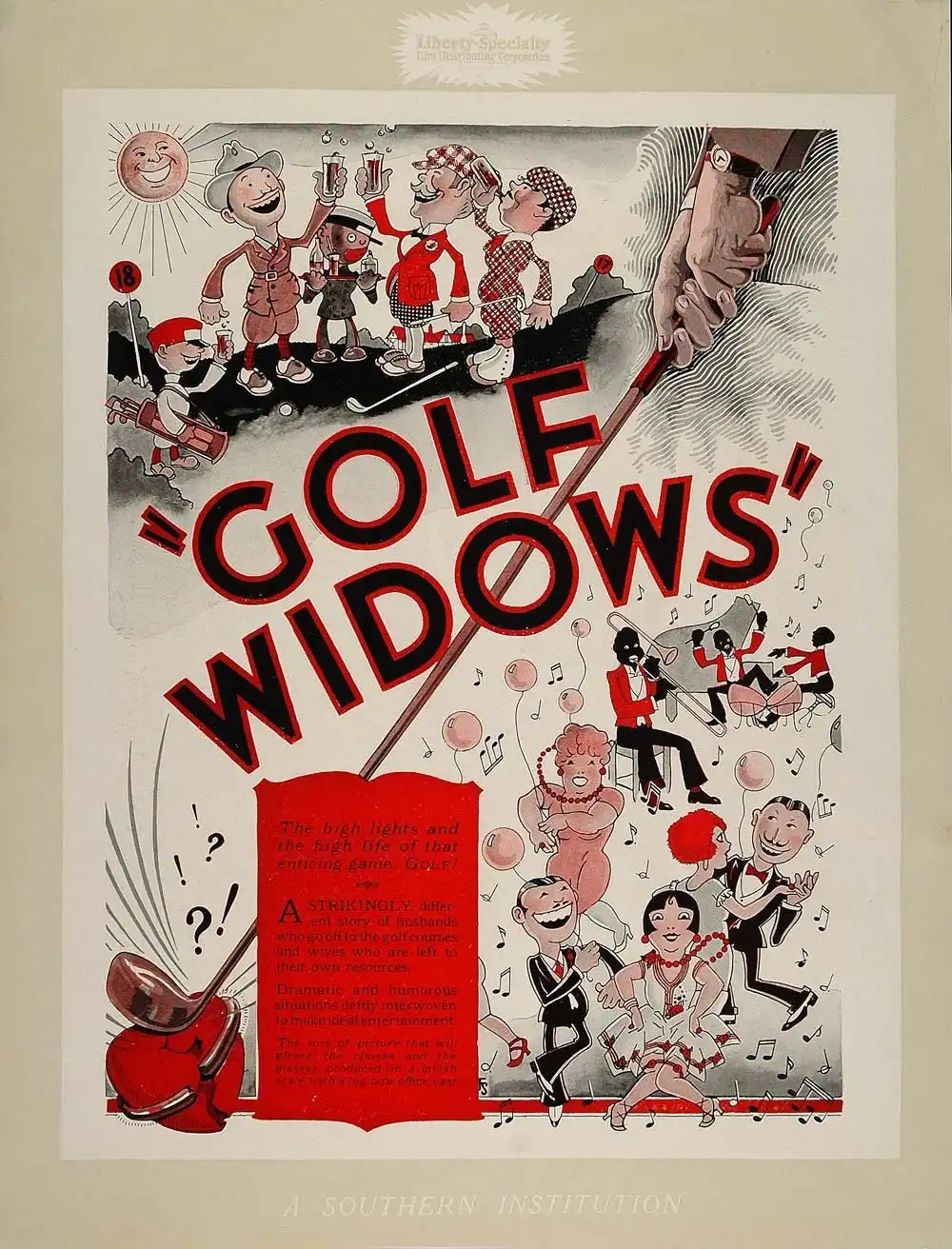
Director's Spotlight: United States
A Deep Dive into the 1928 Vision of Erle C. Kenton
The 1928 release of Golf Widows marked a significant moment for the enduring legacy of Erle C. Kenton's artistic contribution to the genre. By challenging the status quo of 1928 cinema, it has cemented its place in the global cult cinema archive.
In Golf Widows, Erle C. Kenton pushes the boundaries of conventional narrative. The film's unique approach to its subject matter has sparked endless debates and interpretations among cinephiles and critics alike.
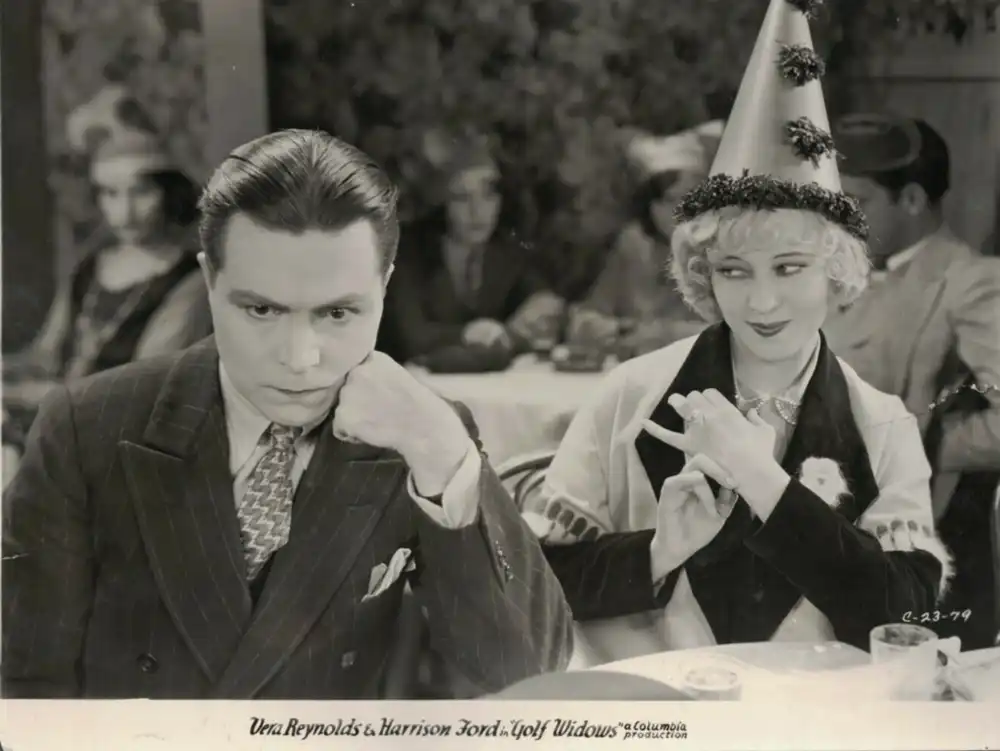
In this work, Erle C. Kenton explores the intersection of Romance and United States cultural identity. The meticulous attention to detail suggests a deep-seated commitment to pushing the boundaries of the medium, ensuring that Golf Widows remains a relevant topic of study for Romance enthusiasts.
| Cinematography | Static |
| Soundtrack | Diegetic |
| Editing | Elliptical |
| Art Direction | Expressionist |
Visualizing the convergence of Erle C. Kenton's style and the core Romance narrative.
Two golf widows, Ethel Dixon (Kathleen Key) and Mary Ward (Sally Rand), decide to get even with their husbands, John Dixon (Will Stanton) and Ernest Ward (Vernon Dent), by going to the Tijuana horse-races with a wealthy broker, Billy Gladstone (John Patrick) and an insurance salesman Charles Bateman (Harrison Ford). Complications arise when Bateman's fiancee Alice Anderson (Vera Reynolds) shows up.
Decades after its release, Golf Widows remains a vital piece of the cinematic puzzle. Its influence can be seen in countless modern works, solidifying Erle C. Kenton's status as a master of the craft in United States and beyond.