
DbcultAccessing Vault...
Director's Spotlight
Senior Film Conservator
Director's Spotlight: United States
A Deep Dive into the 1926 Vision of Erle C. Kenton
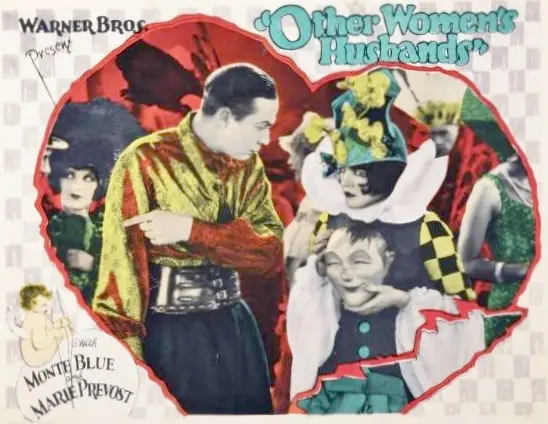
To understand the modern evolution of United States film, one must first look at Other Women's Husbands and the meticulous attention to detail that Erle C. Kenton applied to every frame. Reflecting the political and social shifts of the 1926s, it showcases the power of Comedy as a tool for social commentary.
In Other Women's Husbands, Erle C. Kenton pushes the boundaries of conventional narrative. The film's unique approach to its subject matter has sparked endless debates and interpretations among cinephiles and critics alike.
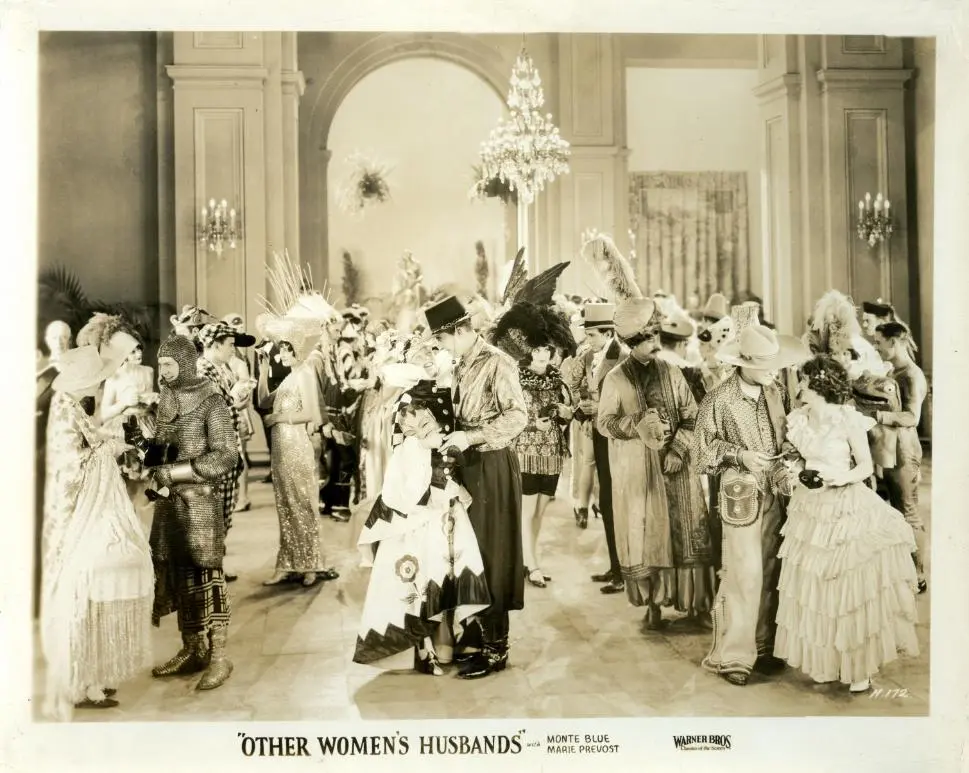
The visual language of Other Women's Husbands is defined by its use of shadows and framing, a hallmark of Erle C. Kenton's style. By utilizing a 1926-era palette, the film creates an immersive experience that perfectly complements its Comedy themes.
| Cinematography | Handheld |
| Soundtrack | Minimalist |
| Editing | Disjunctive |
| Art Direction | Baroque |
Visualizing the convergence of Erle C. Kenton's style and the core Comedy narrative.
When his wife, Kay, goes out of town on a visit, Dick Lambert attends a party arranged by an old college friend, Jack Harding, with whom Kay has flirted on a previous dinner engagement; there he finds solace in the charms of Roxana, and he soon is making excuses to his wife for his frequent absences from home. Kay finally accepts an invitation from a handsome attorney--none other than Jack. Learning that Dick is attending a masked ball with Roxana, Kay attends in an identical costume; there Dick makes love to her, thinking she is his paramour. While Kay determines to obtain a divorce, Dick, weary of Roxana's vulgarity, longs for Kay. In the divorce court, Kay declares her love for Dick and cannot carry out the separation; Dick fights it out with Jack; the attorney decides to drop the case; and husband and wife are reunited.
Decades after its release, Other Women's Husbands remains a vital piece of the cinematic puzzle. Its influence can be seen in countless modern works, solidifying Erle C. Kenton's status as a master of the craft in United States and beyond.