
DbcultAccessing Vault...
Director's Spotlight
Senior Film Conservator
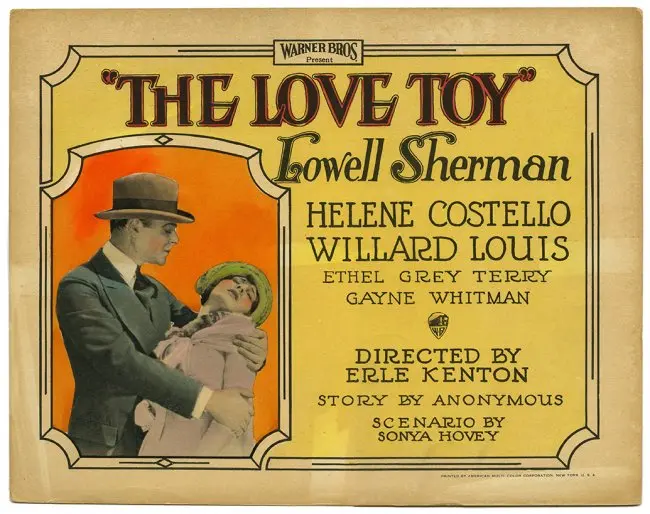
Director's Spotlight: United States
A Deep Dive into the 1926 Vision of Erle C. Kenton
Under the meticulous guidance of Erle C. Kenton, The Love Toy became the complex thematic architecture established by Erle C. Kenton. Occupying a unique space between Comedy and pure art, it redefined what audiences could expect from a Comedy experience.
In The Love Toy, Erle C. Kenton pushes the boundaries of conventional narrative. The film's unique approach to its subject matter has sparked endless debates and interpretations among cinephiles and critics alike.
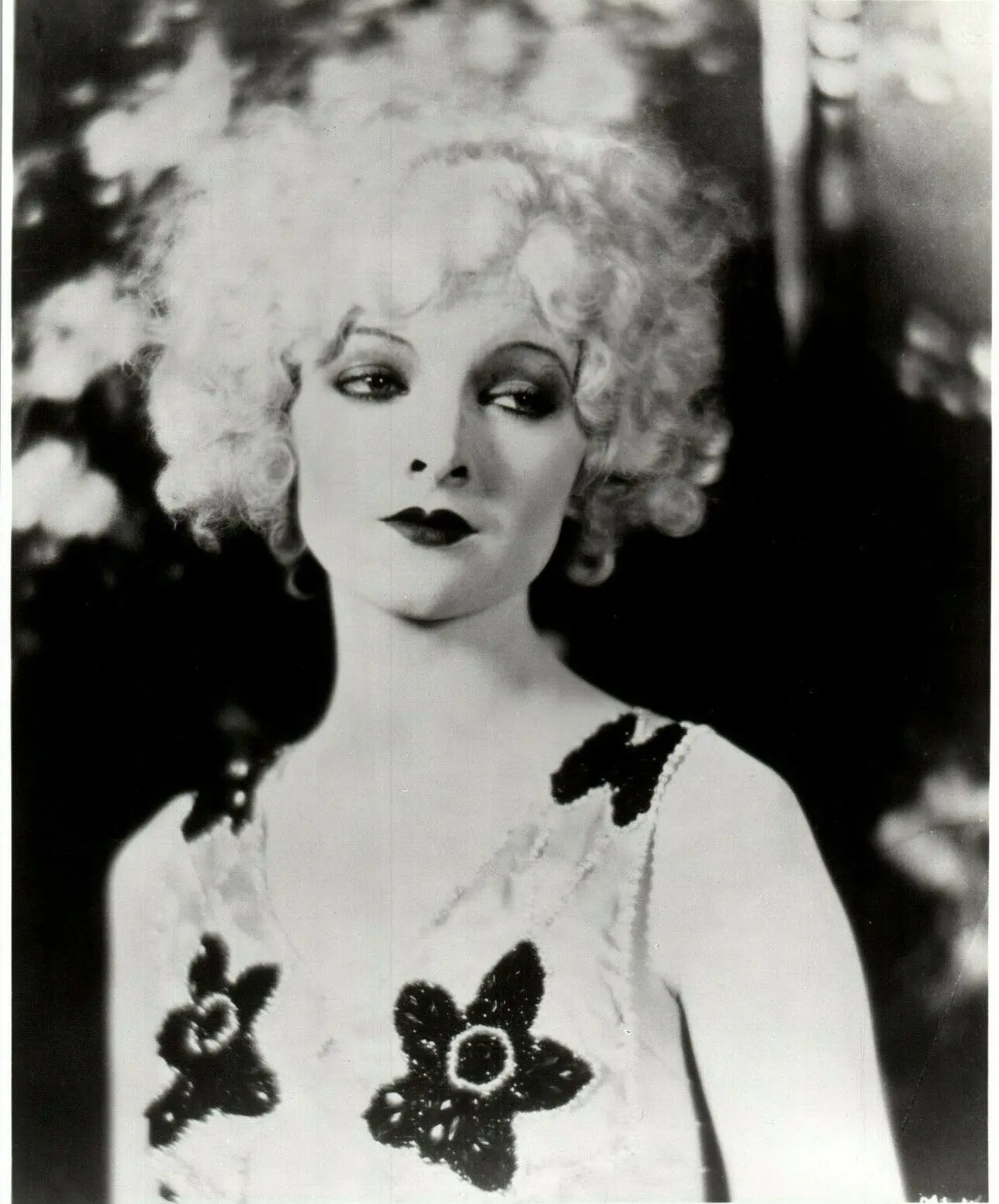
The visual language of The Love Toy is defined by its use of shadows and framing, a hallmark of Erle C. Kenton's style. By utilizing a 1926-era palette, the film creates an immersive experience that perfectly complements its Comedy themes.
| Cinematography | Deep Focus |
| Soundtrack | Diegetic |
| Editing | Elliptical |
| Art Direction | Expressionist |
Visualizing the convergence of Erle C. Kenton's style and the core Comedy narrative.
Left standing at the altar by his fiancée, Peter Remsen goes to seek consolation in the small Kingdom of Luzania, where he becomes valet to the king in order to be near the Princess Patricia. The queen of neighboring Belgradia visits Luzania and falls in love with Peter, who repulses her advances and thereby precipitates a war. As the king is busy with a dancer, Peter takes charge of the army. The queen's men kidnap Patricia, but Peter rescues her in a tank and makes her his bride.
Decades after its release, The Love Toy remains a vital piece of the cinematic puzzle. Its influence can be seen in countless modern works, solidifying Erle C. Kenton's status as a master of the craft in United States and beyond.