
DbcultAccessing Vault...
Director's Spotlight
Senior Film Conservator

Director's Spotlight: United States
A Deep Dive into the 1926 Vision of Erle C. Kenton
Under the meticulous guidance of Erle C. Kenton, The Palm Beach Girl became the cultural zeitgeist captured so perfectly by Erle C. Kenton in 1926. Driven by an uncompromising commitment to Romance excellence, it remains a vital reference point for anyone studying the evolution of Erle C. Kenton.
In The Palm Beach Girl, Erle C. Kenton pushes the boundaries of conventional narrative. The film's unique approach to its subject matter has sparked endless debates and interpretations among cinephiles and critics alike.
While deeply rooted in United States, The Palm Beach Girl has achieved a global reach, influencing directors from various backgrounds. Its ability to translate Romance tropes into a universal cinematic language is why it remains a cult staple decades after its 1926 release.
| Cinematography | Deep Focus |
| Soundtrack | Minimalist |
| Editing | Slow-Burn |
| Art Direction | Brutalist |
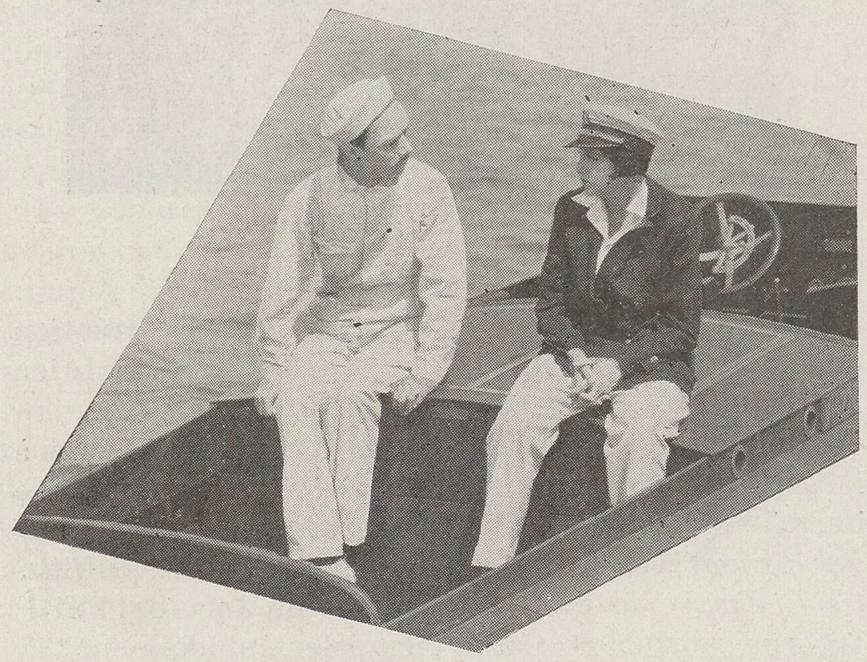
Visualizing the convergence of Erle C. Kenton's style and the core Romance narrative.
Emily Bennett, arriving in Palm Beach on a train, puts her head out of the window and her face is smudged black from the locomotive's coal smoke. She is mistaken for a black girl and this does oh so embarrass her two aunts who are hoping to join the Palm Beach social set. She later fails to impress playboy Jack Trotter when she bungles the christening of his motor-boat. Bungling right along, she bungles into some bootleggers who are loading liquor onto Jack's boats with intent to steal the boat. They have no wish of anyone knowing their intentions, so they kidnap Emily. As it turns out, the gangsters would have been better off by just leaving Emily where she was.
Decades after its release, The Palm Beach Girl remains a vital piece of the cinematic puzzle. Its influence can be seen in countless modern works, solidifying Erle C. Kenton's status as a master of the craft in United States and beyond.