
DbcultAccessing Vault...
Director's Spotlight
Senior Film Conservator
Director's Spotlight: United States
A Deep Dive into the 1924 Vision of Erle C. Kenton
The evocative power of West of the Water Bucket stems from the unique collaboration between the bold experimentation that has become synonymous with Erle C. Kenton. Framed by the hauntingly beautiful landscapes of the production, it echoes the profound changes occurring in United States during that era.
In West of the Water Bucket, Erle C. Kenton pushes the boundaries of conventional narrative. The film's unique approach to its subject matter has sparked endless debates and interpretations among cinephiles and critics alike.
While deeply rooted in United States, West of the Water Bucket has achieved a global reach, influencing directors from various backgrounds. Its ability to translate Sport tropes into a universal cinematic language is why it remains a cult staple decades after its 1924 release.
| Cinematography | Handheld |
| Soundtrack | Orchestral |
| Editing | Invisible |
| Art Direction | Kitsch |
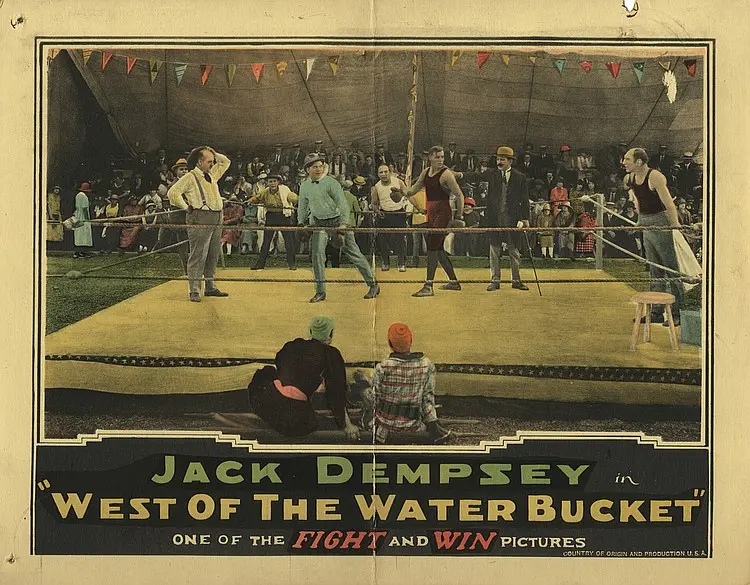
Visualizing the convergence of Erle C. Kenton's style and the core Sport narrative.
Jack O'Day and his orphans are on a farm in a small town. He takes them to a visiting circus and there engages in a ring encounter with a fakir who holds himself up as the real champ. Jack makes this battle a real comedy, taking off his shoes and wearing his brown derby all through the fight until the last, when he finds it necessary to wade in. It gets in the papers that Jack is defeated and his manager turns up just in time to find the facts and disclose his real identity, to the disappointment and horror of villagers.
Decades after its release, West of the Water Bucket remains a vital piece of the cinematic puzzle. Its influence can be seen in countless modern works, solidifying Erle C. Kenton's status as a master of the craft in United States and beyond.