
DbcultAccessing Vault...
Director's Spotlight
Senior Film Conservator
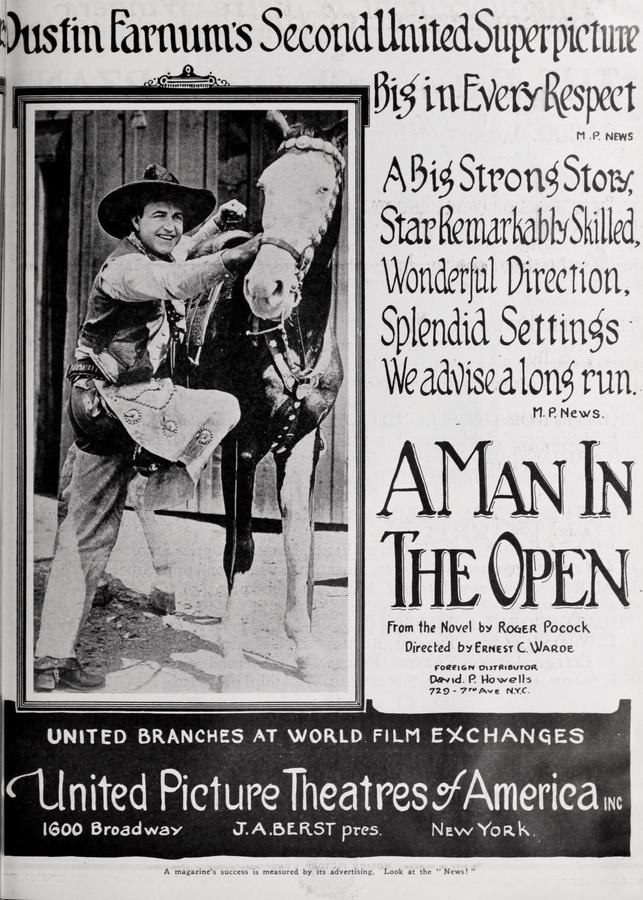
Director's Spotlight: United States
A Deep Dive into the 1919 Vision of Ernest C. Warde
Exploring the cult underpinnings of A Man in the Open leads us to the uncompromising vision of Ernest C. Warde that defines this cult masterpiece. Melding the raw energy of United States with a global cult appeal, it echoes the profound changes occurring in United States during that era.
In A Man in the Open, Ernest C. Warde pushes the boundaries of conventional narrative. The film's unique approach to its subject matter has sparked endless debates and interpretations among cinephiles and critics alike.
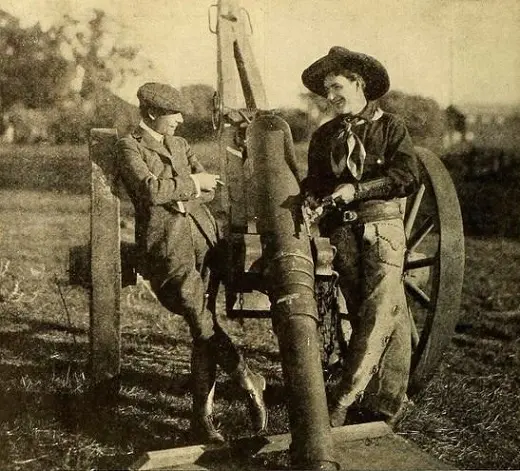
While deeply rooted in United States, A Man in the Open has achieved a global reach, influencing directors from various backgrounds. Its ability to translate cult tropes into a universal cinematic language is why it remains a cult staple decades after its 1919 release.
| Cinematography | Handheld |
| Soundtrack | Diegetic |
| Editing | Rhythmic |
| Art Direction | Naturalist |
Visualizing the convergence of Ernest C. Warde's style and the core cult narrative.
Sailor Jesse, shipwrecked off the Texas coast, naively becomes involved with a cattle rustler. Because the sheriff believes in his innocence, Jesse finds work as a cowboy, but soon becomes infatuated with Polly, the medium for fake hypnotist Bull Brooks, and marries her. When he learns that Polly married to win a bet, Jesse attempts to take her from the town's influences to open spaces, but Brooks falsely reports that she killed herself rather than go. In the mountains, Jesse meets Kate Trevor, an opera singer who moved there to help her alcoholic husband who abuses her. After Trevor drowns trying to cross a river when he sees Jesse and Kate together, they marry, have a child, and are happy until Polly and Brooks arrive. Kate and Jesse separate, but when Jesse learns that Brooks is attacking Kate, Jesse fights him. Polly shoots Brooks, but before he dies, he reveals that Polly was married to another man when she married Jesse.
Decades after its release, A Man in the Open remains a vital piece of the cinematic puzzle. Its influence can be seen in countless modern works, solidifying Ernest C. Warde's status as a master of the craft in United States and beyond.