
DbcultAccessing Vault...
Director's Spotlight
Senior Film Conservator
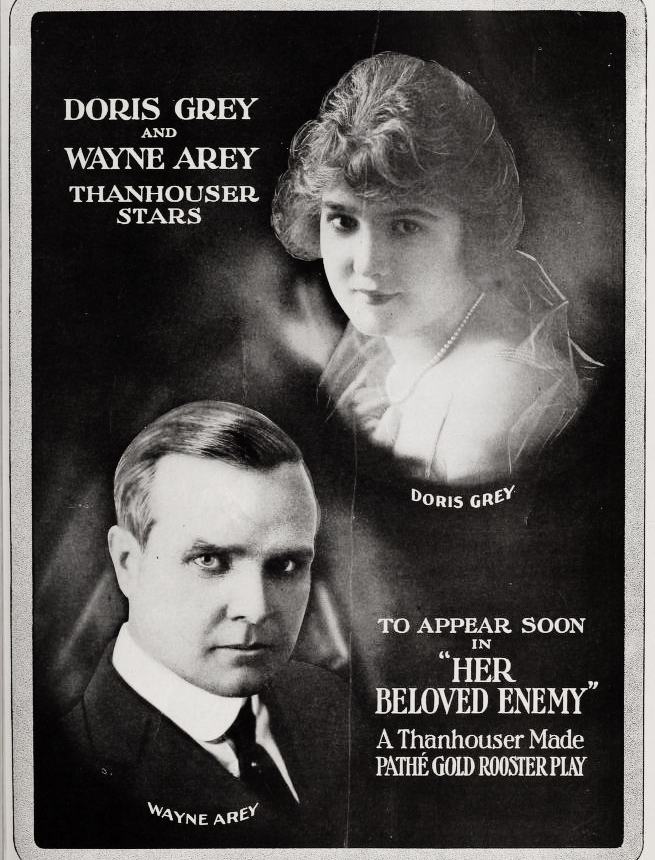
Director's Spotlight: United States
A Deep Dive into the 1917 Vision of Ernest C. Warde
To understand the modern evolution of United States film, one must first look at Her Beloved Enemy and the collaborative alchemy between Ernest C. Warde and the 1917 creative team. Subverting the expectations of the typical 1917 audience, it remains a vital reference point for anyone studying the evolution of Ernest C. Warde.
In Her Beloved Enemy, Ernest C. Warde pushes the boundaries of conventional narrative. The film's unique approach to its subject matter has sparked endless debates and interpretations among cinephiles and critics alike.
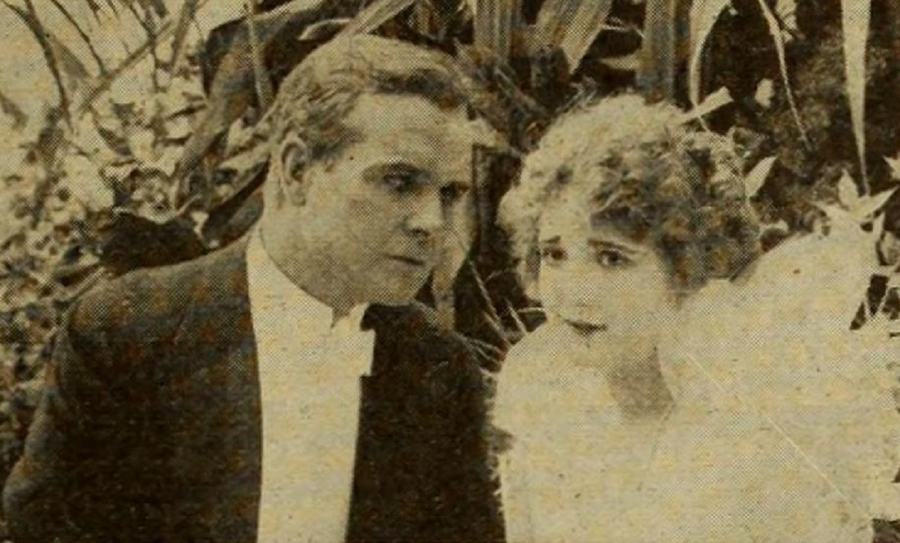
The visual language of Her Beloved Enemy is defined by its use of shadows and framing, a hallmark of Ernest C. Warde's style. By utilizing a 1917-era palette, the film creates an immersive experience that perfectly complements its cult themes.
| Cinematography | Noir-Inspired |
| Soundtrack | Synth-Heavy |
| Editing | Rhythmic |
| Art Direction | Naturalist |
Visualizing the convergence of Ernest C. Warde's style and the core cult narrative.
Sylvia Leigh's only recollection of her father was a dim memory of a distinguished-looking man who brought her to boarding school when she was a youngster. From that time he never came to see her, but letters came from him with foreign postmarks stating that "important business" kept him away. After her graduation an old family servant took her to the home she had never known. Within a few months her father appeared. Not the parent she had pictured, but a broken old man whose mind seemed ham ted by some shadow from the past. One day while they were motoring in the park he suddenly drew a revolver, and aiming it at a passing auto, exclaimed, "That man wrecked my life." But before he could pull the trigger he fell exhausted from the effort and the other car passed before Sylvia saw his face. Her father became seriously ill from the excitement. On his deathbed he made her promise to run to earth the man who ruined his life. With no clues or an inkling of what the secret was, she attempted to locate him by an ad in the papers, only to fall into a trap. A roughly-clad young man came to her rescue. Some weeks later she was surprised to find this same young man as a guest at a dance given by a girlfriend. But this time he was clad in evening dress and perfectly at home among society. Then came the blow. An incident revealed him to her as the man she had vowed to bring to atonement. She shadowed him, caught him in a compromising position, kept him captive and phoned the police. Then the fact that she still loved him rushed over her. She realized also that her father's secret was still a mystery. What will he do? Keep a deathbed promise and turn him over to the law or obey her heart? Love wins out. As a knock comes on the door she tells him she still loves him and to escape. But he only smiles, opens the door to the officers, who greet him familiarly, and then he make some remarkable disclosures to Sylvia, which brings happiness to her troubled heart.
Decades after its release, Her Beloved Enemy remains a vital piece of the cinematic puzzle. Its influence can be seen in countless modern works, solidifying Ernest C. Warde's status as a master of the craft in United States and beyond.