
DbcultAccessing Vault...
Director's Spotlight
Senior Film Conservator
Director's Spotlight: United States
A Deep Dive into the 1919 Vision of Ernest C. Warde
Analyzing The False Code (1919) requires a deep dive into the unique directorial voice that Ernest C. Warde brought to the screen. By challenging the status quo of 1919 cinema, it continues to spark endless debates among critics and cinephiles alike.
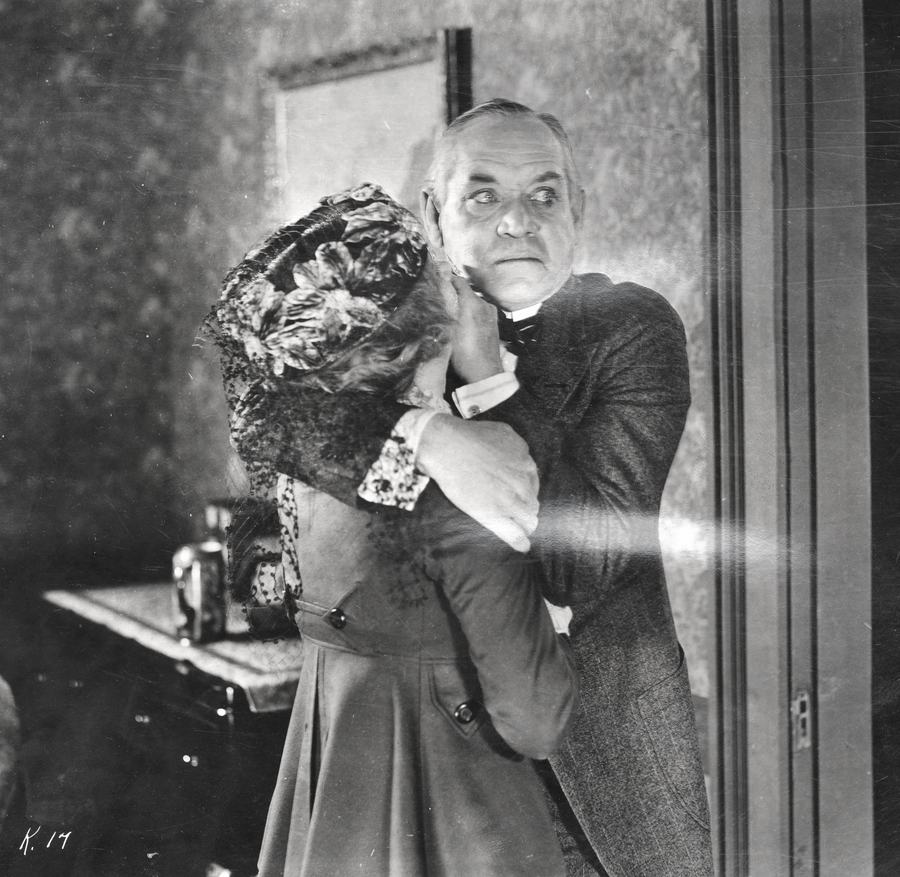
In The False Code, Ernest C. Warde pushes the boundaries of conventional narrative. The film's unique approach to its subject matter has sparked endless debates and interpretations among cinephiles and critics alike.
| Cinematography | Deep Focus |
| Soundtrack | Orchestral |
| Editing | Invisible |
| Art Direction | Kitsch |
Visualizing the convergence of Ernest C. Warde's style and the core cult narrative.
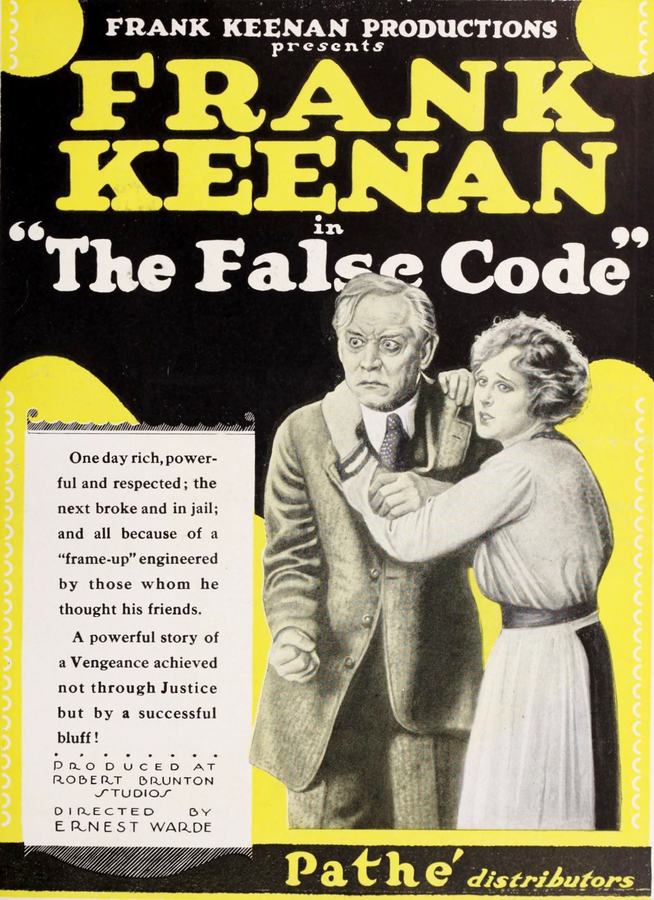
John Benton is the head of a company that makes parts for ships. He is a fair and honorable man, but his partner Henry Vance is not. Vance and employee Daniel Grey sign Benton's name to orders for boilers they know to be defective. Their partners in the scheme, which involve installing the boilers in the ship so it will sink at sea and they can collect the insurance, are the agent who carries the ship's insurance and a government inspector. After the ship sinks, the conspirators hire a safecracker to plant money in Benton's safe to make it look like it was he alone who profited from the scheme. Benton is sentenced to prison. He serves 12 years and is released, and when he gets out he finds out what really happened, but the men who were responsible for it are now wealthy and have become powers in city politics. Determined to clear his name, he comes up with a plan to expose the crooks by using their tactics against them.
Decades after its release, The False Code remains a vital piece of the cinematic puzzle. Its influence can be seen in countless modern works, solidifying Ernest C. Warde's status as a master of the craft in United States and beyond.