
DbcultAccessing Vault...
Director's Spotlight
Senior Film Conservator
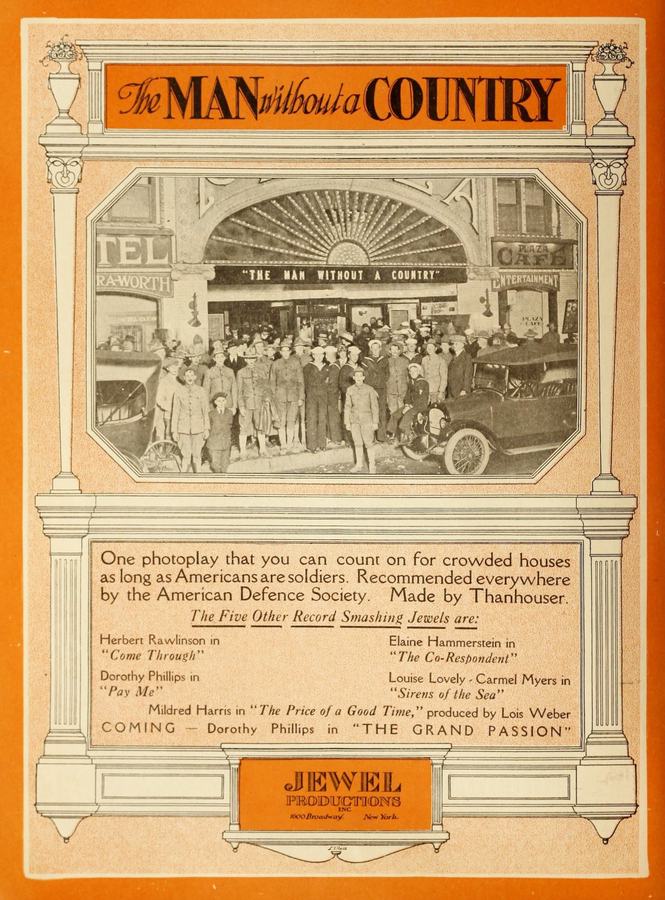
Director's Spotlight: United States
A Deep Dive into the 1917 Vision of Ernest C. Warde
Under the meticulous guidance of Ernest C. Warde, The Man Without a Country became the cultural zeitgeist captured so perfectly by Ernest C. Warde in 1917. Driven by an uncompromising commitment to cult excellence, it remains a vital reference point for anyone studying the evolution of Ernest C. Warde.
In The Man Without a Country, Ernest C. Warde pushes the boundaries of conventional narrative. The film's unique approach to its subject matter has sparked endless debates and interpretations among cinephiles and critics alike.
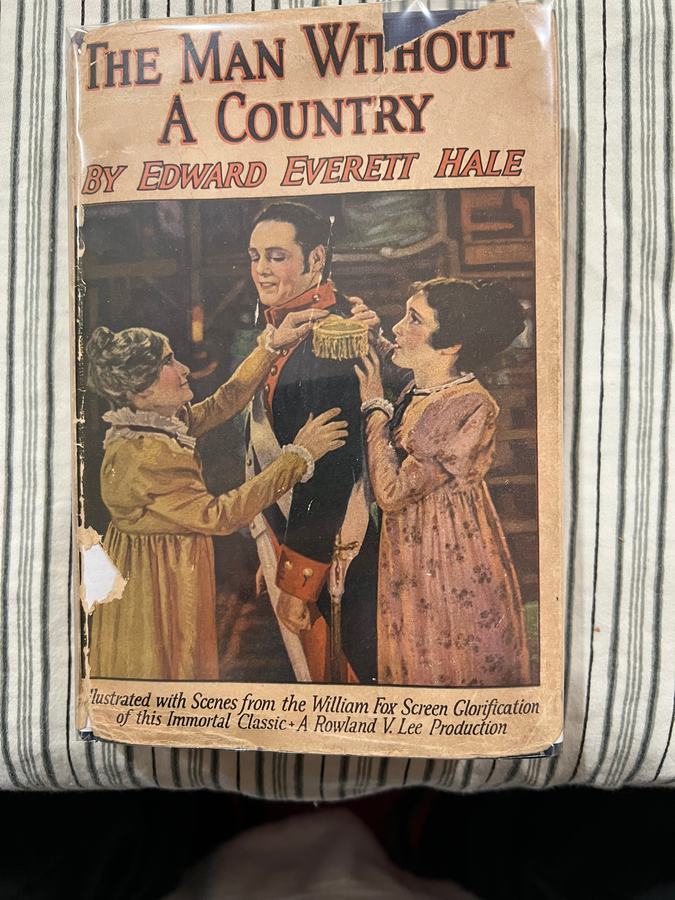
In this work, Ernest C. Warde explores the intersection of cult and United States cultural identity. The meticulous attention to detail suggests a deep-seated commitment to pushing the boundaries of the medium, ensuring that The Man Without a Country remains a relevant topic of study for cult enthusiasts.
| Cinematography | Deep Focus |
| Soundtrack | Synth-Heavy |
| Editing | Disjunctive |
| Art Direction | Baroque |
Visualizing the convergence of Ernest C. Warde's style and the core cult narrative.
When Barbara Norton is left orphaned, she goes to live with her aunt and uncle. Time passes, now grown to adulthood, Barbara, becomes engaged to a wealthy young man who believes in pacifism. When the United States declares war on Germany, Barbara's fiance declines to enlist, and so Barbara gives him back his engagement ring and goes to France as a Red Cross nurse. En route, her steamer is torpedoed and Barbara is assumed to be drowned. Even this tragedy does not inspire the young man's patriotism and when solicited to enlist, he declares that the United States be damned. These sentiments shock an old friend of his father's, who brings the young man a copy of the book The Man Without a Country . Upon reading the book, the young man visualizes the story of Philip Nolan and is compelled to serve his country. As he is about to go to war, Barbara returns, and the two lovers embrace.
Decades after its release, The Man Without a Country remains a vital piece of the cinematic puzzle. Its influence can be seen in countless modern works, solidifying Ernest C. Warde's status as a master of the craft in United States and beyond.