
DbcultAccessing Vault...
Director's Spotlight
Senior Film Conservator
Director's Spotlight: United States
A Deep Dive into the 1917 Vision of Ernest C. Warde
Witnessing the stylistic transformation of cult through The Unfortunate Marriage reveals the provocative questions that Ernest C. Warde poses to the United States audience. Exploring the nuances of the human condition with cult flair, it showcases the power of cult as a tool for social commentary.
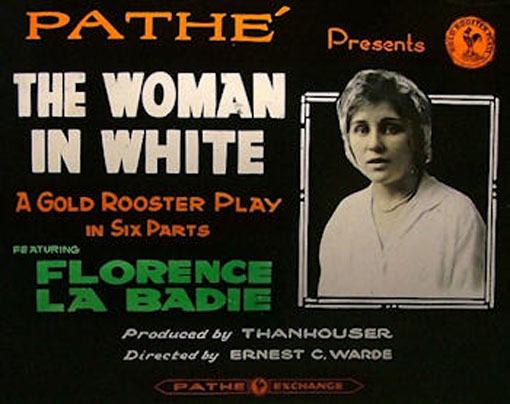
In The Unfortunate Marriage, Ernest C. Warde pushes the boundaries of conventional narrative. The film's unique approach to its subject matter has sparked endless debates and interpretations among cinephiles and critics alike.
| Cinematography | Noir-Inspired |
| Soundtrack | Diegetic |
| Editing | Elliptical |
| Art Direction | Expressionist |
Visualizing the convergence of Ernest C. Warde's style and the core cult narrative.
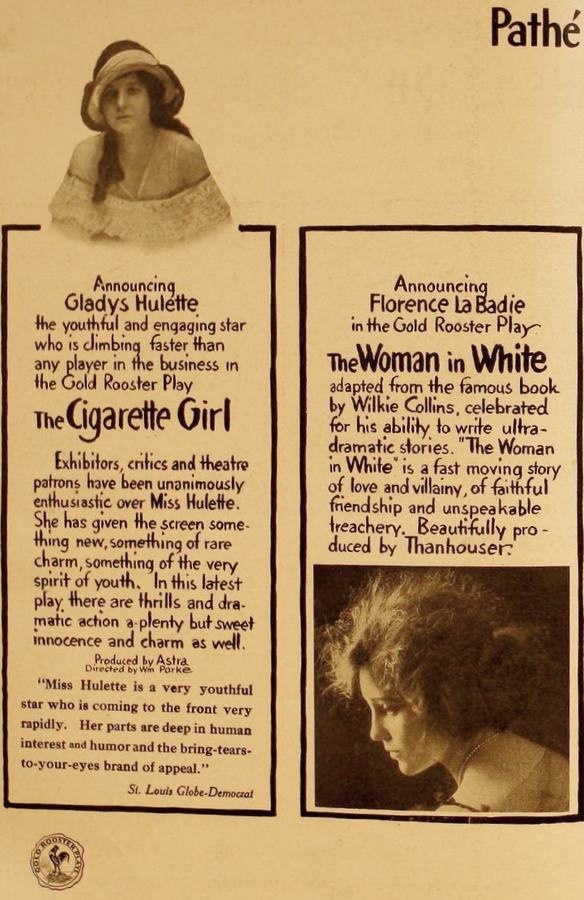
At the request of her dying father, heiress Laura Fairlie marries Sir Percival Glyde, despite her love for Walter Hartridge and the warnings of Ann Catherick, a half-witted girl who bears a striking resemblance to Laura. After the marriage, Glyde schemes to appropriate his wife's money. When he learns that Ann has escaped from an asylum and has perished, Glyde takes Laura to the asylum and commits her, claiming that she is Ann. He then informs everyone that his wife had died, and buries the body of the insane woman in her place. Walter and Laura's half sister, Marian Halcombe, become suspicious, however, and remembering Ann's previous warnings, discover what Glyde has done. After Glyde meets his death in a fire, Walter rescues Laura and the two lovers are reunited.
Decades after its release, The Unfortunate Marriage remains a vital piece of the cinematic puzzle. Its influence can be seen in countless modern works, solidifying Ernest C. Warde's status as a master of the craft in United States and beyond.