
DbcultAccessing Vault...
Director's Spotlight
Senior Film Conservator
Director's Spotlight: Argentina
A Deep Dive into the 1916 Vision of Ernesto Gunche
Peeling back the layers of Ernesto Gunche's Hasta después de muerta exposes the technical innovation that Ernesto Gunche introduced to the cult format. Driven by an uncompromising commitment to cult excellence, it stands as the definitive 1916 statement on cult identity.
In Hasta después de muerta, Ernesto Gunche pushes the boundaries of conventional narrative. The film's unique approach to its subject matter has sparked endless debates and interpretations among cinephiles and critics alike.
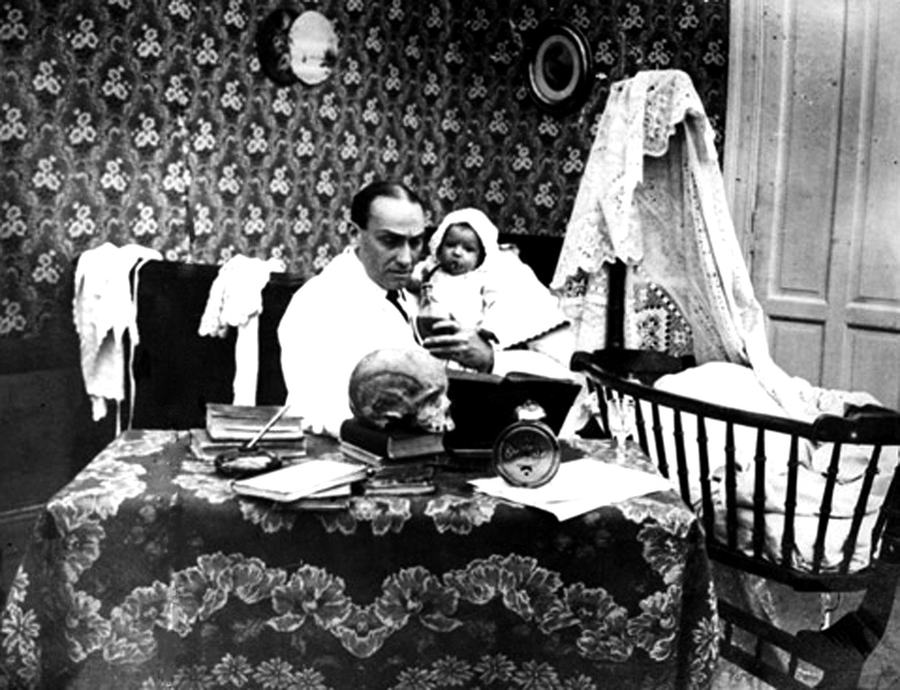
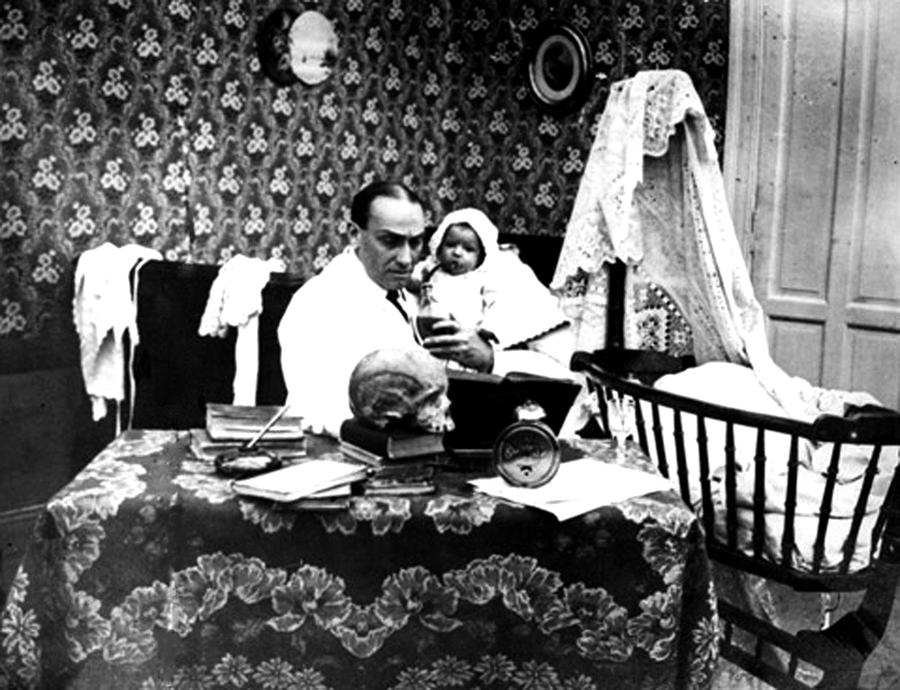
The visual language of Hasta después de muerta is defined by its use of shadows and framing, a hallmark of Ernesto Gunche's style. By utilizing a 1916-era palette, the film creates an immersive experience that perfectly complements its cult themes.
| Cinematography | Deep Focus |
| Soundtrack | Experimental |
| Editing | Invisible |
| Art Direction | Kitsch |
Visualizing the convergence of Ernesto Gunche's style and the core cult narrative.
Beginning at the grave of a young woman, the film is a long flashback that tells the story of that young woman with a couple of medical students in a comical way at times and dramatic in others. Transcript of the multiple personality of Florencio Parravicini, scriptwriter and leading actor. It was a bourgeois and citizen theme, with touches of comedy alternating the melodramatic context.
Decades after its release, Hasta después de muerta remains a vital piece of the cinematic puzzle. Its influence can be seen in countless modern works, solidifying Ernesto Gunche's status as a master of the craft in Argentina and beyond.