
DbcultAccessing Vault...
Director's Spotlight
Senior Film Conservator
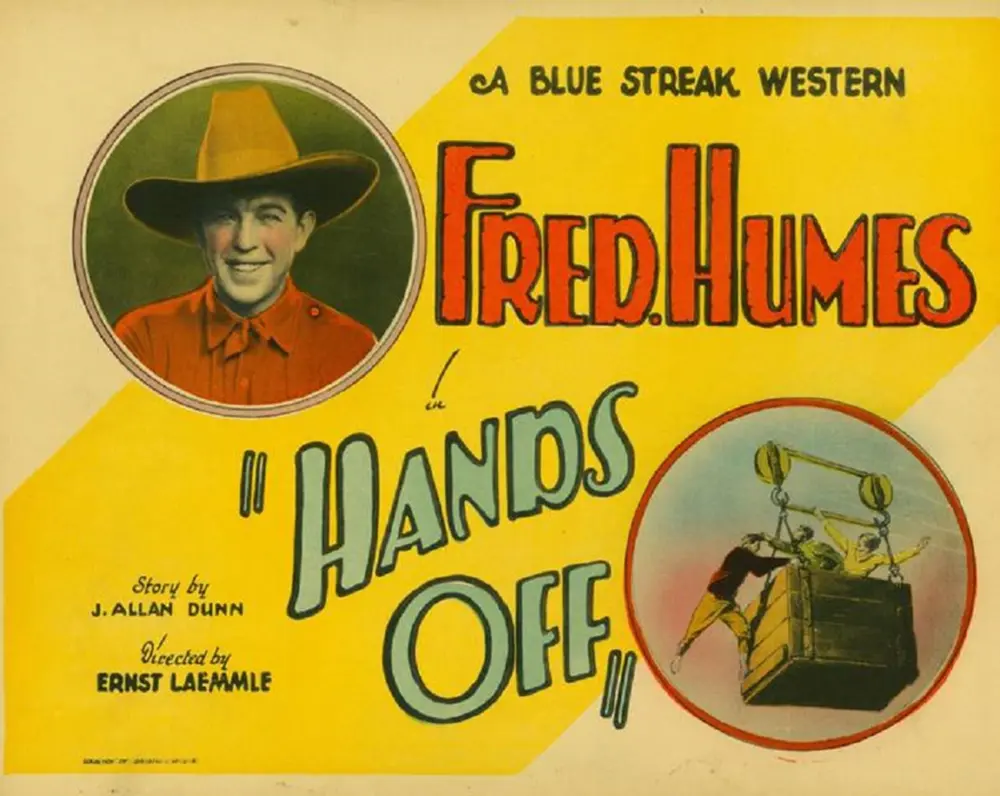
Director's Spotlight: United States
A Deep Dive into the 1927 Vision of Ernst Laemmle
The Drama DNA of Hands Off is a reflection of United States's the subversive storytelling techniques employed by Ernst Laemmle in 1927. Breaking the traditional rules of Drama engagement, it leaves an indelible mark on the soul of the viewer.
In Hands Off, Ernst Laemmle pushes the boundaries of conventional narrative. The film's unique approach to its subject matter has sparked endless debates and interpretations among cinephiles and critics alike.
| Cinematography | Handheld |
| Soundtrack | Minimalist |
| Editing | Disjunctive |
| Art Direction | Baroque |
Visualizing the convergence of Ernst Laemmle's style and the core Drama narrative.
When young drifter Sandy Loom finds prospector Jim Perkins dying, he promises to take care of his daughter Myra. Assited by Professor Hawley and "Stills" Manners, he works her father's gold claim. Simeon Coe, a land shark and claim jumper, asks the judge to appoint him the girl's guardian, swearing it was Jim's last request, and though the judge refuses, Coe orders Sandy and his pals off the claim, backed by the sheriff. Sandy is jailed but is released by the judge and corners Coe in a mine shaft, where the latter falls to his death. The gold claim proves worthless, but Sandy and Myra find happiness together..
Decades after its release, Hands Off remains a vital piece of the cinematic puzzle. Its influence can be seen in countless modern works, solidifying Ernst Laemmle's status as a master of the craft in United States and beyond.