
DbcultAccessing Vault...
Director's Spotlight
Senior Film Conservator
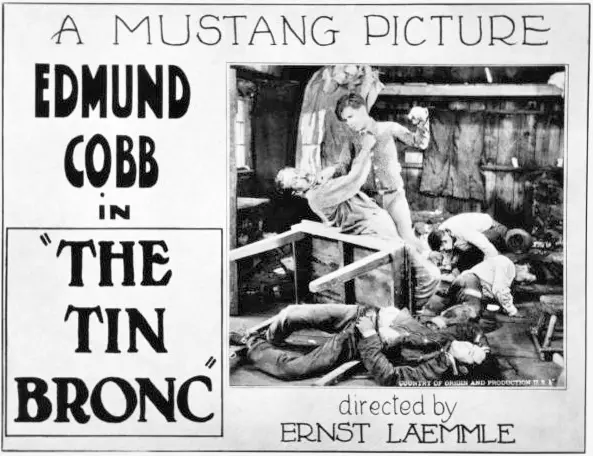
Director's Spotlight: United States
A Deep Dive into the 1926 Vision of Ernst Laemmle
Exploring the Short underpinnings of The Tin Bronc leads us to the stylistic boundaries pushed by Ernst Laemmle during the production. Through a lens of existential fatalism and Short tropes, it continues to spark endless debates among critics and cinephiles alike.
In The Tin Bronc, Ernst Laemmle pushes the boundaries of conventional narrative. The film's unique approach to its subject matter has sparked endless debates and interpretations among cinephiles and critics alike.
To fully appreciate The Tin Bronc, one must consider the cinematic climate of 1926. During this period, United States was undergoing significant artistic shifts, and Ernst Laemmle was at the forefront of this Short movement, often challenging established norms.
| Cinematography | Deep Focus |
| Soundtrack | Diegetic |
| Editing | Rhythmic |
| Art Direction | Naturalist |
Visualizing the convergence of Ernst Laemmle's style and the core Short narrative.
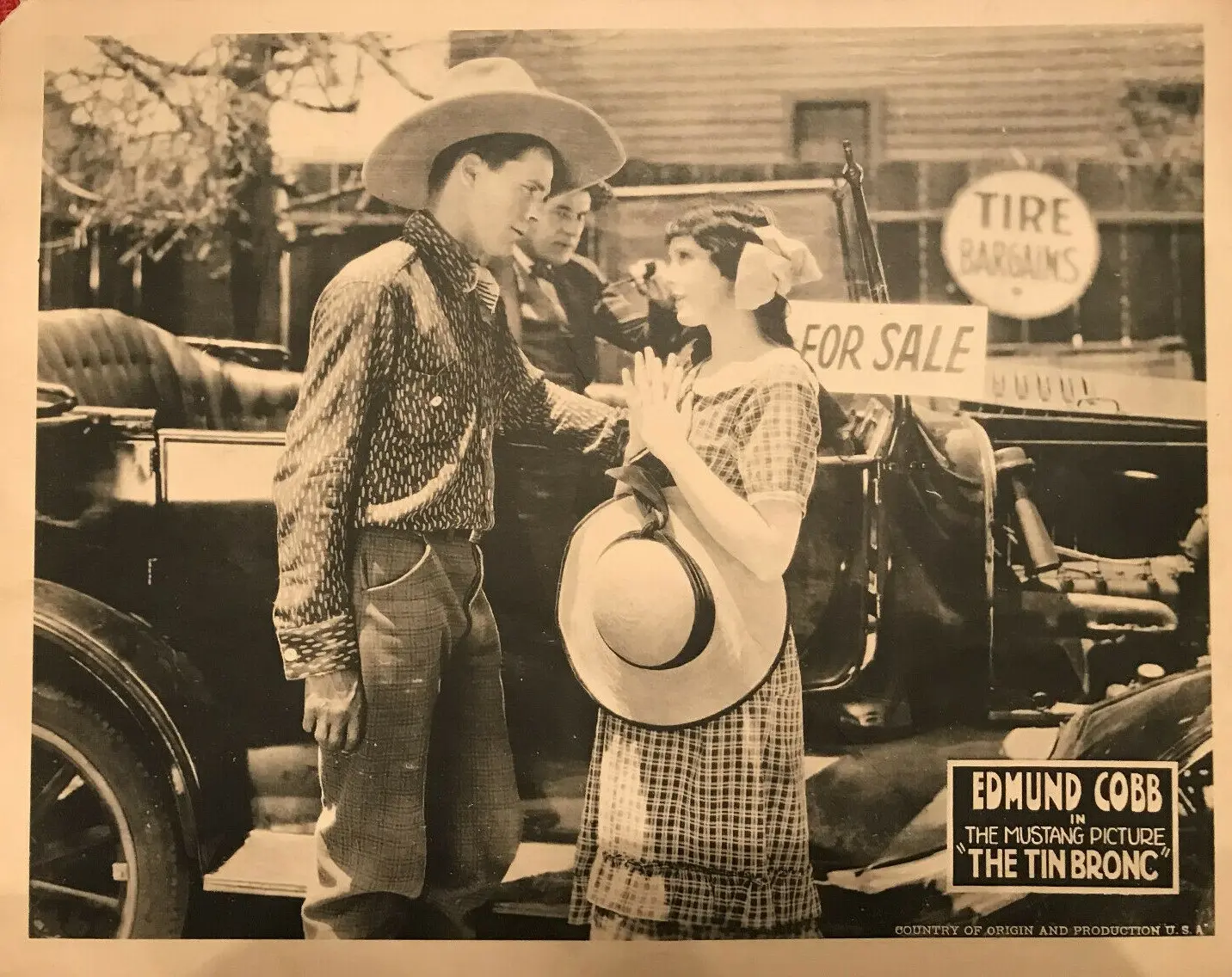
Miggs, a cowhand employed on the D-Bar Ranch, is the sweetheart of Margaret MacDonald, the daughter of the ranch owner, but her father, Morgan MacDonald, is not all that excited by Miggs. Especially, when on a trip to town to pick up the weekly payroll for the ranch, Miggs is more interested about buying a new car rather than help guard the money bag. Morgan and Margaret start back to the ranch while Miggs follows in his new 'tin broncho." They, of course, are held up and robbed, and Miggs has to recover the money or be fired.
Decades after its release, The Tin Bronc remains a vital piece of the cinematic puzzle. Its influence can be seen in countless modern works, solidifying Ernst Laemmle's status as a master of the craft in United States and beyond.