
DbcultAccessing Vault...
Director's Spotlight
Senior Film Conservator
Director's Spotlight: United States
A Deep Dive into the 1925 Vision of Ernst Laemmle
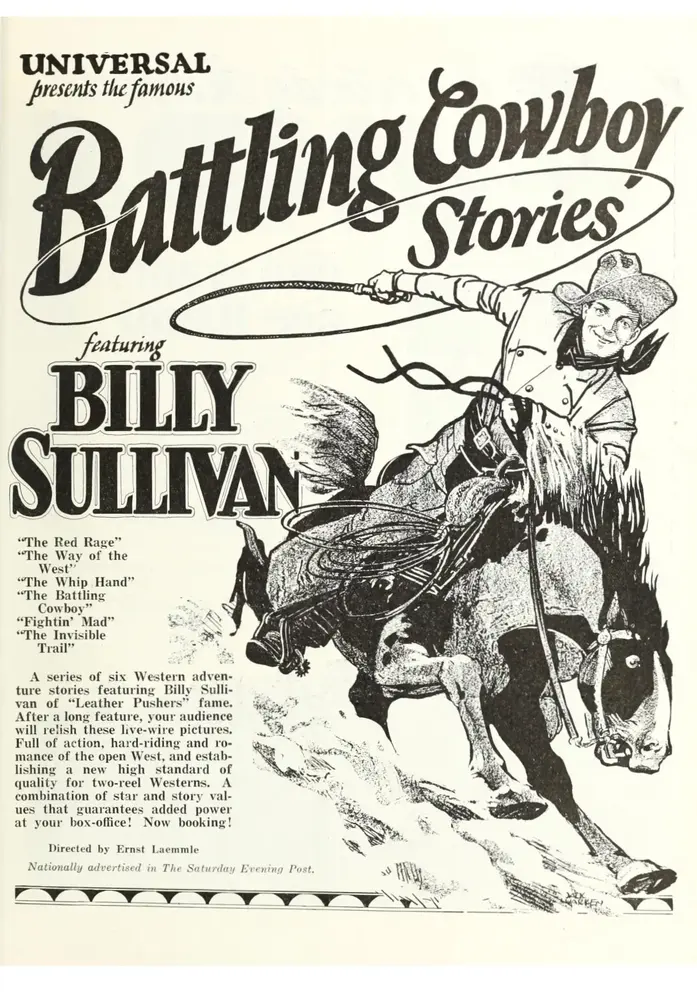
To understand the modern evolution of United States film, one must first look at Way of the West and the collaborative alchemy between Ernst Laemmle and the 1925 creative team. Subverting the expectations of the typical 1925 audience, it remains a vital reference point for anyone studying the evolution of Ernst Laemmle.
In Way of the West, Ernst Laemmle pushes the boundaries of conventional narrative. The film's unique approach to its subject matter has sparked endless debates and interpretations among cinephiles and critics alike.
The visual language of Way of the West is defined by its use of shadows and framing, a hallmark of Ernst Laemmle's style. By utilizing a 1925-era palette, the film creates an immersive experience that perfectly complements its Western themes.
| Cinematography | Deep Focus |
| Soundtrack | Experimental |
| Editing | Elliptical |
| Art Direction | Expressionist |
Visualizing the convergence of Ernst Laemmle's style and the core Western narrative.
Ann Crandall insists on riding a wild horse, despite Jack Weston's, her father's foreman, protestation. Billy Regan, a new arrival, son of old man Regan's Australian buddy, dashes after her, and lifts her to his saddle before she is thrown. The boys around the ranch then try to give him the 'razz,' and he takes things good-naturedly. Billy is dressed like a dude, while they wear the regular western regalia. Ann's father rides up with his party and tells them that they had almost overtaken Slippery Pete. Billy thinks they are kidding him, and tells them their guns are useless in these modern days. One of the boys sticks a gun in his ribs. He puts his hands up, apparently helpless, when suddenly, with a fast trick, renders his opponent helpless. The boys work the 'badger' trick on him, and he takes this good-naturedly, but promises to get even. Riding with Ann, later, they run into a blind canyon. They see Slippery Pete's gang rustling cattle. Billy goes for help, but the boys think he is trying to play a joke on them. Ann is attacked. Then their horses run away. Billy steps behind the last man, pushes something against his spine and orders him to tell his confederates to raise their hands and drop their guns. Ann picks up their guns. Her father arrives. Billy tells them he is going to wander on, while the foreman embraces the girl.
Decades after its release, Way of the West remains a vital piece of the cinematic puzzle. Its influence can be seen in countless modern works, solidifying Ernst Laemmle's status as a master of the craft in United States and beyond.