
Cult Cinema
The Esoteric Echo: Unearthing Cult Cinema's Enduring Allure and its Rebel Heart

“Cult cinema thrives in the shadows, a realm where unconventional narratives and maverick visions forge deep connections with dedicated audiences, proving that true cinematic power often lies beyond the mainstream. This exploration delves into the enduring mystique and rebellious spirit that defines …”
In the vast, ever-expanding universe of cinema, there exists a peculiar constellation of films that defy easy categorization, reject mainstream sensibilities, and yet command an almost religious devotion from their followers. This is the realm of cult cinema, a fascinating subculture where the bizarre is celebrated, the transgressive is revered, and the obscure finds its fervent congregation. These are not merely movies; they are experiences, rites of passage, and often, secret handshakes among those who understand their peculiar magic. But what is it about these cinematic outcasts that grants them such enduring power, turning forgotten curiosities into timeless icons?

The Genesis of the Unconventional: Seeds of Rebellion on the Silver Screen
To truly understand cult cinema, we must journey back to its nascent stirrings, long before the term itself entered the critical lexicon. Even in the earliest days of filmmaking, when the medium was still finding its voice, there were creations that stood apart. These were the proto-cult films, often born from limited budgets, experimental impulses, or simply a vision too idiosyncratic for the burgeoning studio system. Think of the early melodramas, where grand passions and moral dilemmas played out with a dramatic intensity that captivated audiences, or the nascent action-adventure serials that thrilled with daring escapes and cliffhangers, building loyal weekly followings. These films, whether they delved into the dark corners of human psychology, presented fantastical scenarios, or simply showcased an unconventional comedic timing, were laying the groundwork for what would become a cinematic phenomenon.

The early 20th century, a period of rapid social and technological change, provided fertile ground for cinematic experimentation. Films that explored social issues, even those that might seem quaint by today's standards, could challenge prevailing norms. Narratives that depicted characters grappling with societal pressures, personal demons, or even outright villainy, often resonated deeply with segments of the audience who felt themselves outside the mainstream. The raw, often unpolished nature of these early productions, combined with their willingness to tackle subjects deemed too 'real' or 'taboo' for polite society, fostered a unique connection. These were the cinematic anomalies, the maverick visions that, perhaps unintentionally, sowed the seeds of future cult worship.

Defining the Indefinable: Characteristics of the Cult Film
What makes a film a 'cult' film? It’s a question as elusive as the films themselves. Unlike blockbusters designed for mass appeal, cult films often find their initial audience through word-of-mouth, niche screenings, or a gradual re-evaluation over time. They are frequently characterized by:

- Transgression and Subversion: Many cult films challenge societal norms, moral codes, or cinematic conventions. They revel in taboos, explore dark themes, or present narratives that are deliberately unsettling, grotesque, or surreal. This subversion is often a key draw for audiences seeking something beyond predictable storytelling.
- Idiosyncratic Aesthetics: A distinctive visual style, unconventional narrative structure, or a unique blend of genres often sets cult films apart. They might be technically flawed yet possess an undeniable charm, or be meticulously crafted yet utterly bizarre.
- Niche Appeal: Unlike mainstream hits, cult films rarely aim for universal appeal. Instead, they speak to a specific demographic, a particular sensibility, or a shared worldview. This targeted resonance fosters a stronger, more intimate connection with their audience.
- Re-evaluation and Rediscovery: Many cult classics were initially panned by critics or ignored by the public. It often takes years, sometimes decades, for their unique qualities to be recognized and appreciated. This journey from obscurity to adoration is a hallmark of the cult phenomenon.
- Communal Experience: Perhaps the most defining characteristic is the way cult films foster community. Viewers don't just watch these films; they participate in them, dissect them, quote them, and celebrate them together. Midnight screenings, fan conventions, and online forums become sacred spaces for shared devotion.
The Audience as Acolytes: Why We Gravitate Towards the Unorthodox
The relationship between a cult film and its audience is symbiotic, almost spiritual. For many, discovering a cult film is akin to finding a hidden truth, a piece of art that speaks directly to their inner rebel or their unacknowledged strangeness. These films often provide a sense of belonging for those who feel marginalized by mainstream culture. In the shared experience of appreciating something deemed 'weird' or 'difficult,' a powerful sense of community is forged.

Audiences become active participants, not passive observers. They decode obscure symbolism, analyze ambiguous endings, and revel in the performances of actors who might be typecast as outsiders. The repeated viewings, a common practice among cult fans, are not merely about re-experiencing the narrative but about uncovering new layers, appreciating subtle nuances, and reinforcing the shared knowledge that binds the community. This deep engagement transforms a film from a mere product into a cultural artifact, a touchstone for a particular identity.
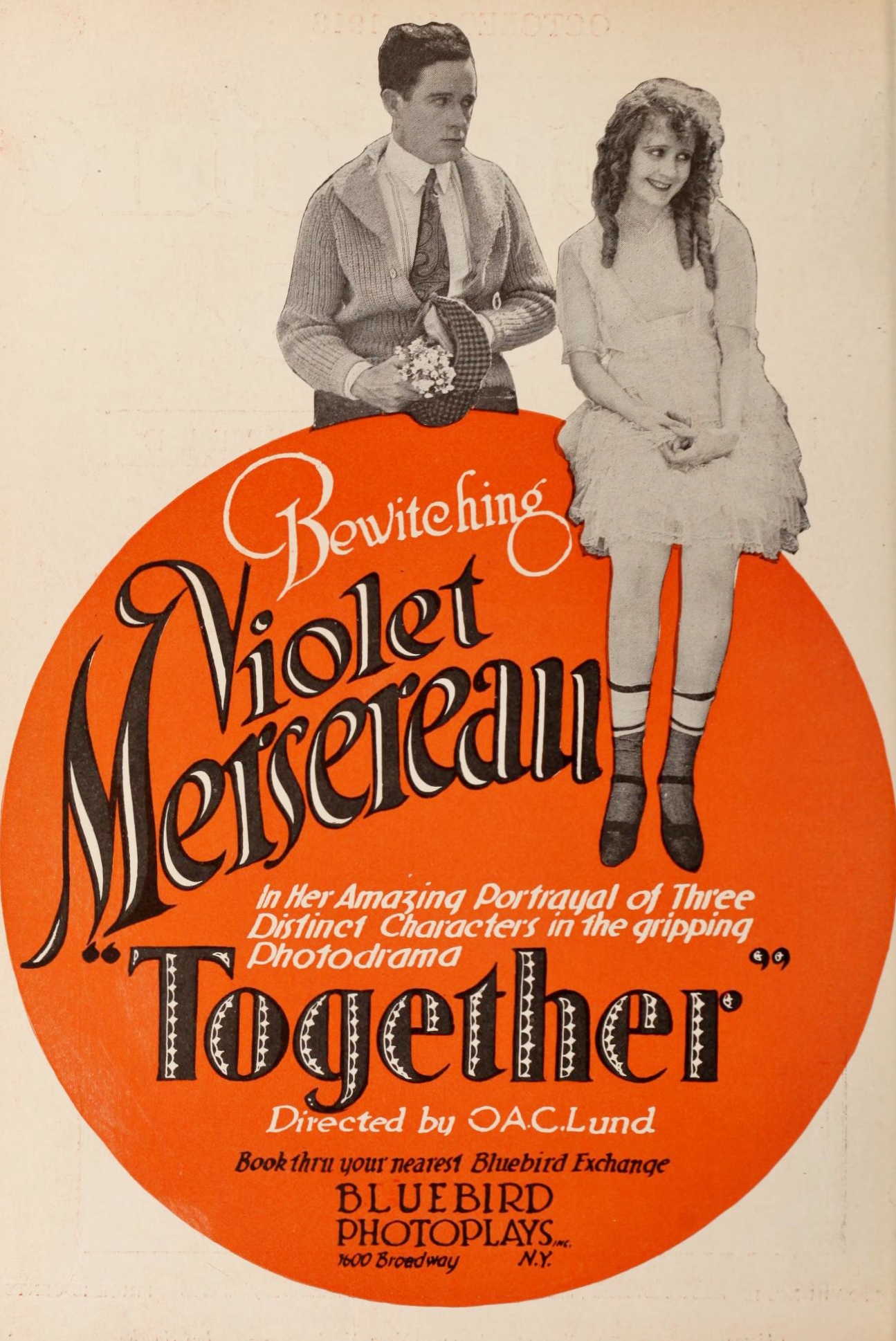
Moreover, cult films often offer a cathartic release. They allow us to confront fears, explore forbidden desires, or simply laugh at the absurdity of existence in ways that more conventional cinema rarely dares. The freedom to be weird, to be different, to embrace the strange and the unsettling, is a powerful draw. It’s a rebellion against the sanitized, the predictable, the commercially viable. It’s an embrace of the unapologetically authentic.

From Midnight Screenings to Digital Devotion: The Evolution of Fandom
The concept of the 'midnight movie' played a crucial role in cementing the status of many cult classics. In dimly lit theaters, often after hours, audiences would gather to experience films that were too niche, too strange, or too controversial for prime time. These screenings became ritualistic events, complete with audience participation, costumes, and a palpable sense of shared excitement. Films that once struggled to find an audience found their true home in these nocturnal gatherings, transforming from critical failures into beloved phenomena.
The advent of home video further democratized cult cinema, allowing films to be discovered and re-watched endlessly, fostering a new generation of fans. Today, streaming platforms and online communities have amplified this effect, making obscure titles more accessible than ever before. This digital landscape has created global networks of devotees, connecting individuals across continents who share a passion for these unconventional narratives. The conversation around cult films is no longer confined to local theaters or fan magazines; it's a constant, vibrant dialogue that spans the internet.
Beyond the Screen: The Enduring Legacy and Cultural Impact
The influence of cult cinema extends far beyond its dedicated fan bases. Many of these films, once dismissed as fringe oddities, have profoundly impacted mainstream filmmaking, art, music, and fashion. Their unconventional storytelling techniques, daring visual styles, and memorable characters have inspired countless artists and directors. What was once considered avant-garde or niche often becomes, through the lens of cult appreciation, a blueprint for future innovation.
Consider how elements of early experimental cinema, with its willingness to break narrative molds, or the bold character studies found in social dramas, have subtly informed the language of modern film. The raw energy of early genre pictures, the unexpected twists of melodramas, or the sheer strangeness of some comedic shorts from the silent era, all contributed to a broader cinematic vocabulary. These films, though not always commercially successful in their time, became vital reference points, forming an alternative canon that challenges and enriches the mainstream narrative of film history.
Moreover, cult films often serve as cultural barometers, reflecting anxieties, desires, and counter-cultural movements. They provide a unique window into the social and political landscape of their time, often through allegorical or exaggerated means. This makes them not just entertainment, but significant artifacts for understanding cultural shifts and the diverse human experience.
The Maverick's Embrace: An Ongoing Dialogue
Ultimately, cult cinema is a testament to the power of artistic individuality and the enduring human need for connection. It reminds us that true cinematic value isn't always measured in box office receipts or critical acclaim, but in the depth of its impact on an audience, its ability to provoke thought, evoke emotion, and foster a sense of shared identity. These films, often born from obscure origins and nurtured by passionate communities, represent the rebel heart of cinema, beating strong against the tide of commercialism.
The esoteric echo of these unconventional narratives continues to resonate, drawing new generations into their enigmatic embrace. They stand as a powerful counter-narrative to the homogeneity of much mainstream entertainment, celebrating the weird, the wonderful, and the profoundly human in all its messy glory. As long as there are stories to be told that defy expectation, and audiences hungry for something more, the cult film will continue its unfolding pilgrimage, forever finding its tribe in the shadows and beyond.
Community
Comments
Log in to comment.
Loading comments…