
DbcultAccessing Vault...
Director's Spotlight
Senior Film Conservator
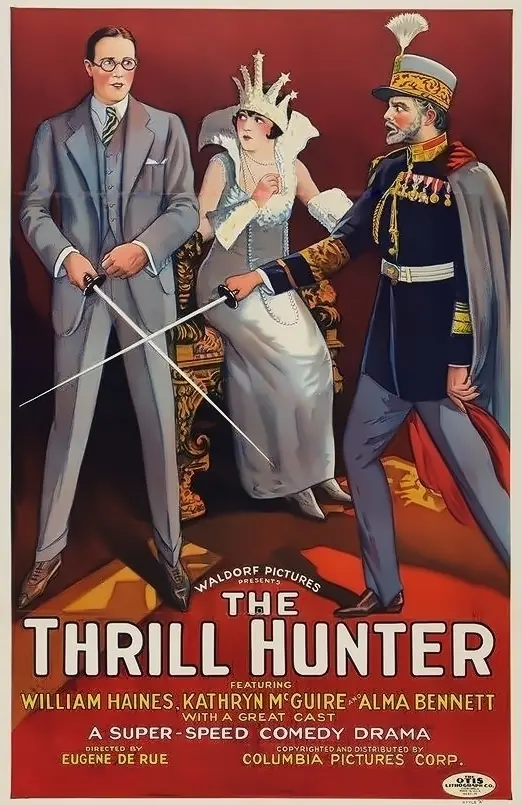
Director's Spotlight: United States
A Deep Dive into the 1926 Vision of Eugene De Rue
Analyzing The Thrill Hunter (1926) requires a deep dive into the defining moment in Romance history that Eugene De Rue helped create. Defining a new era of United States artistic expression, it transcends regional boundaries to tell a universal story.
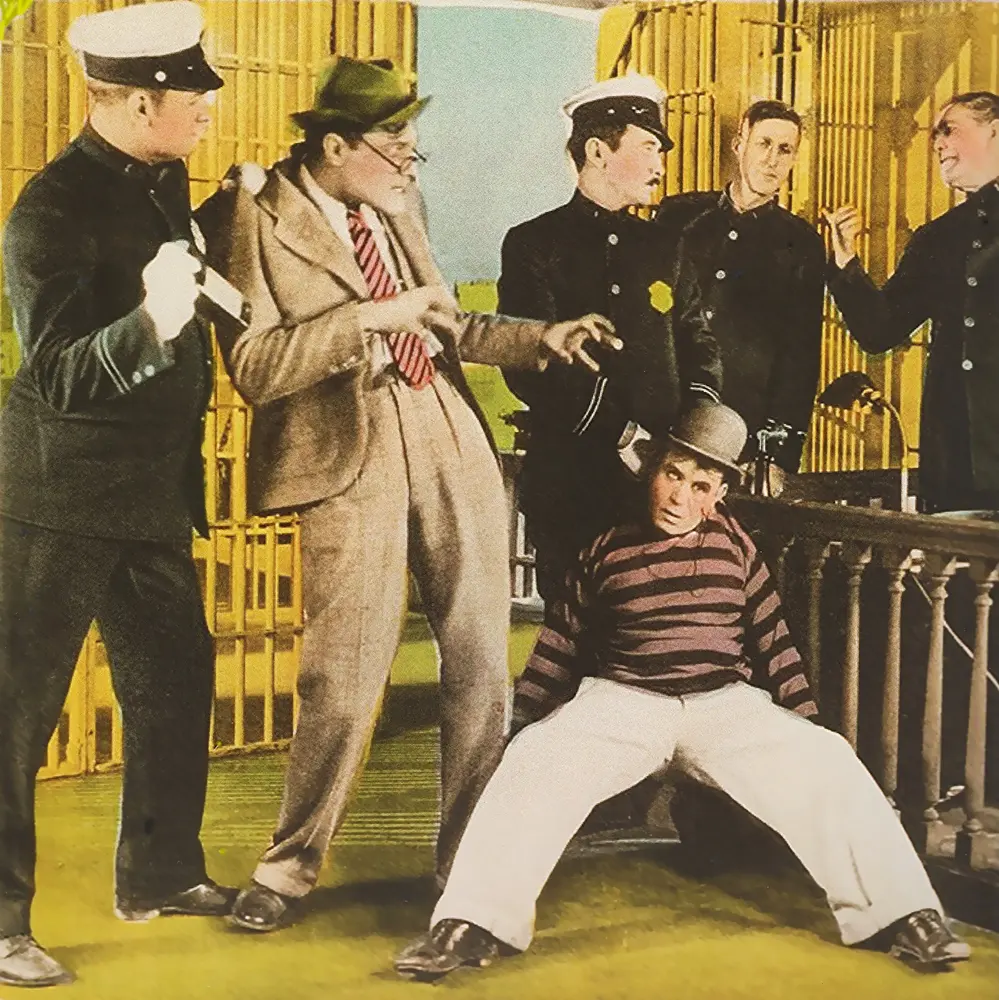
In The Thrill Hunter, Eugene De Rue pushes the boundaries of conventional narrative. The film's unique approach to its subject matter has sparked endless debates and interpretations among cinephiles and critics alike.
| Cinematography | Noir-Inspired |
| Soundtrack | Minimalist |
| Editing | Slow-Burn |
| Art Direction | Brutalist |
Visualizing the convergence of Eugene De Rue's style and the core Romance narrative.
A novelist, Peter J. Smith (William Haines), while traveling in the Kingdom of Grecovia, is mistaken for the young boy king (Franke Darro), kidnapped and forced to marry Princess Zola (Alma Bennet) by castle plotters. He escapes, the bumbling Grecovian plotters dynamite themselves of existence,the Boy King takes the throne and marries Princess Zola, after the forced marriage has been annulled. And Peter marries Alice Maynard (Kathry McGuire), the daughter of his publisher T.B. Maynard (E.J. Radcliffe).
Decades after its release, The Thrill Hunter remains a vital piece of the cinematic puzzle. Its influence can be seen in countless modern works, solidifying Eugene De Rue's status as a master of the craft in United States and beyond.