
DbcultAccessing Vault...
Director's Spotlight
Senior Film Conservator
Director's Spotlight: United States
A Deep Dive into the 1926 Vision of Eugene Forde
The brilliance of Honeymoon Hospital (1926) is inseparable from a monumental shift in Comedy filmmaking spearheaded by Eugene Forde. Occupying a unique space between Comedy and pure art, it serves as a blueprint for future generations of Comedy directors.
In Honeymoon Hospital, Eugene Forde pushes the boundaries of conventional narrative. The film's unique approach to its subject matter has sparked endless debates and interpretations among cinephiles and critics alike.
While deeply rooted in United States, Honeymoon Hospital has achieved a global reach, influencing directors from various backgrounds. Its ability to translate Comedy tropes into a universal cinematic language is why it remains a cult staple decades after its 1926 release.
| Cinematography | Handheld |
| Soundtrack | Experimental |
| Editing | Invisible |
| Art Direction | Kitsch |
Visualizing the convergence of Eugene Forde's style and the core Comedy narrative.
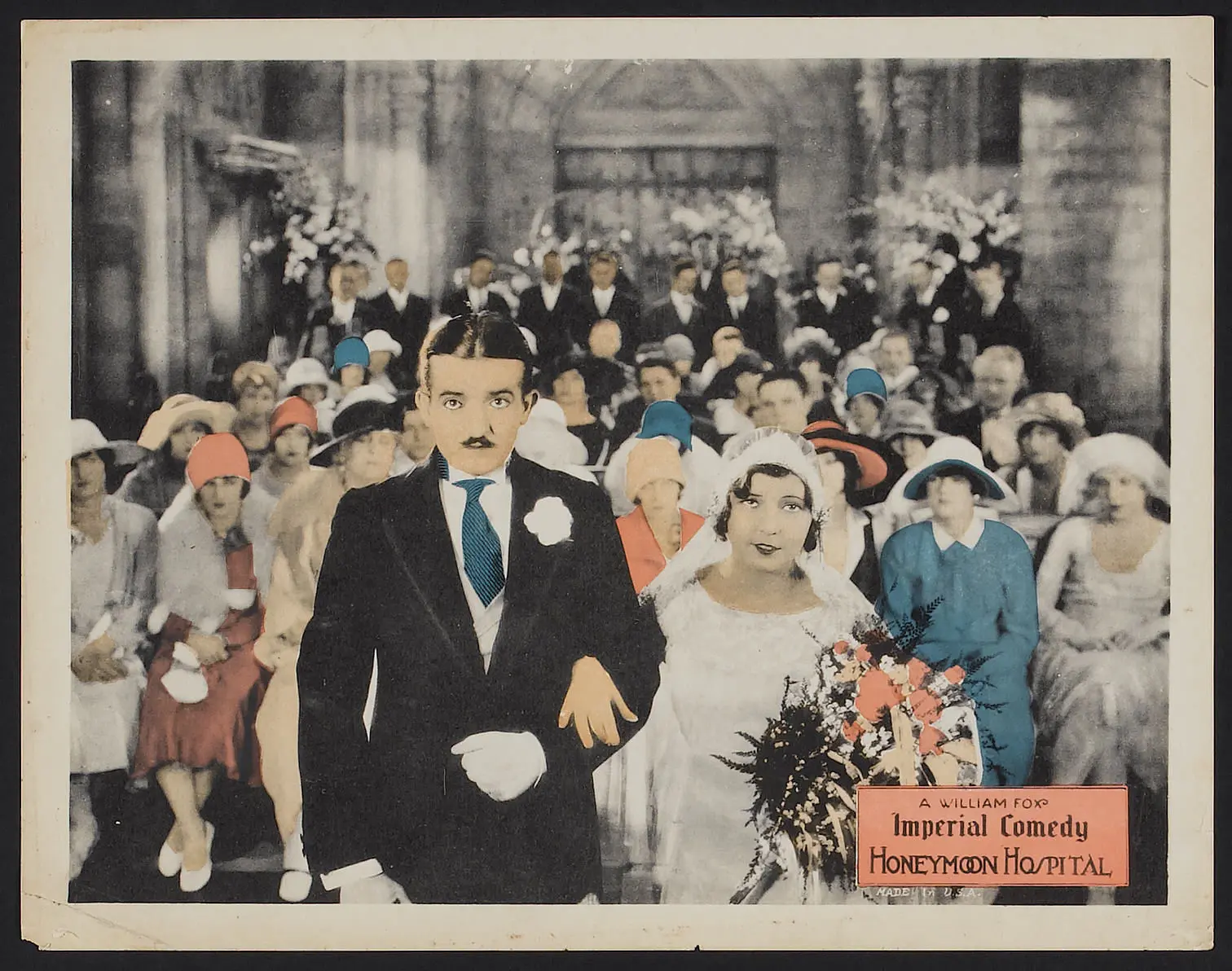
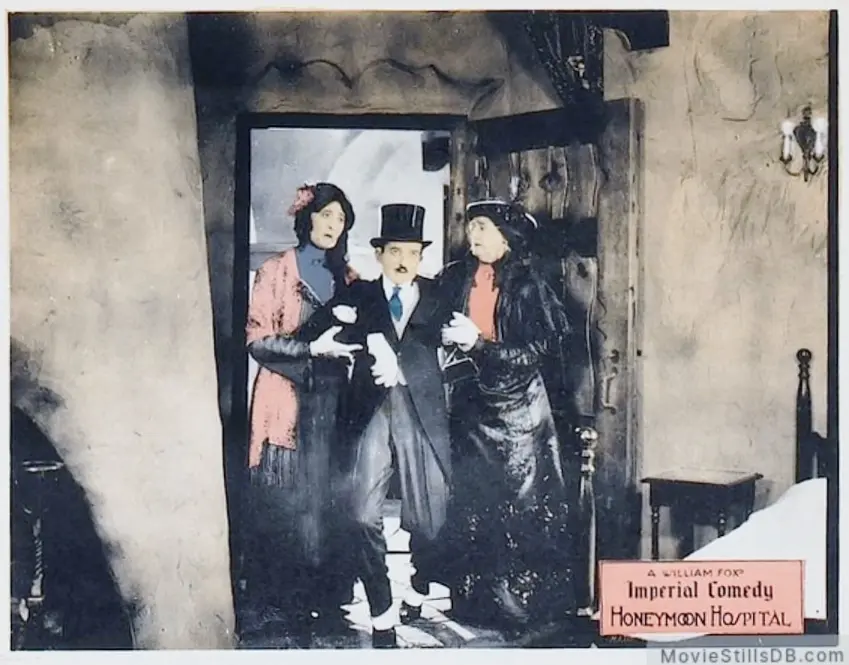
The nephew of two maiden ladies decides to marry. For a wedding gift, the aunts give him a fine chest containing every conceivable kind of a pill. At the wedding, one of the guests, a snuff addict, brings out his snuff and the bridegroom gets a whiff of it. From this point on, the comedy is a succession of situations where the bridegroom goes from one fit to another in an effort to dodge the aunts who insist that he isn't well. A crew of doctors and chiropractors are ordered in to examine hero. Meantime, the bride is having her own troubles trying to get in touch with her husband.
Decades after its release, Honeymoon Hospital remains a vital piece of the cinematic puzzle. Its influence can be seen in countless modern works, solidifying Eugene Forde's status as a master of the craft in United States and beyond.