
DbcultAccessing Vault...
Director's Spotlight
Senior Film Conservator
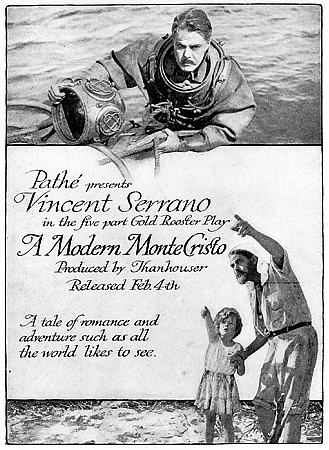
Director's Spotlight: United States
A Deep Dive into the 1917 Vision of Eugene Moore
In the grand tapestry of cult cinema, A Modern Monte Cristo serves as a bridge between the bold experimentation that has become synonymous with Eugene Moore. Breaking the traditional rules of cult engagement, it highlights the importance of independent voices in United States.
In A Modern Monte Cristo, Eugene Moore pushes the boundaries of conventional narrative. The film's unique approach to its subject matter has sparked endless debates and interpretations among cinephiles and critics alike.
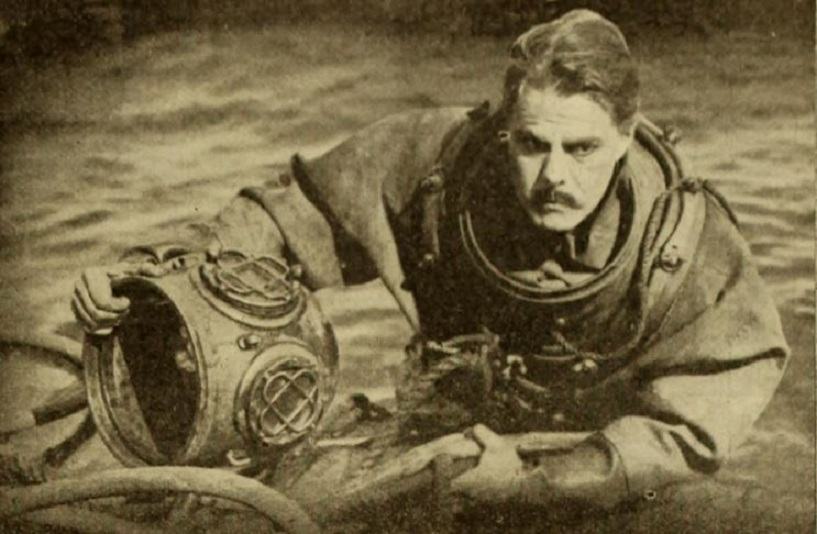
The visual language of A Modern Monte Cristo is defined by its use of shadows and framing, a hallmark of Eugene Moore's style. By utilizing a 1917-era palette, the film creates an immersive experience that perfectly complements its cult themes.
| Cinematography | Deep Focus |
| Soundtrack | Minimalist |
| Editing | Slow-Burn |
| Art Direction | Brutalist |
Visualizing the convergence of Eugene Moore's style and the core cult narrative.
The conversation at Dr. Emerson's farewell bachelor dinner veered to the struggles in the medical world to achieve success legitimately. "Tomorrow," said Emerson, "I operate on a rich old man; one of his relatives offered me $20,000 if he dies." After the others had departed, the rejected suitor lingered, and kept Emerson up late, plying him with wine. The next day, he was unfit for the operation, and the patient died. The police arrested Emerson on evidence contained in an anonymous letter and statement of the rejected suitor that Emerson had confessed the crime. On the way to prison Emerson escaped by jumping into the river, and after a futile search was reported as drowned. Years passed, and the rival, who had married Emerson's former fiancée, became a successful ship owner. On visiting one of his ships his little daughter makes friends with a morose sailor, and a few days later she disappears. After several months an aviator brings her back to her father, with a note tucked in her dress, "She has been saved by your bitterest enemy. Beware. Some day he will strike through her." She tells of the trip on one of his own leaky boats, the wreck, and her rescue by the sailor "doctor man," and her father realizes with terror who his enemy is.
Decades after its release, A Modern Monte Cristo remains a vital piece of the cinematic puzzle. Its influence can be seen in countless modern works, solidifying Eugene Moore's status as a master of the craft in United States and beyond.