
DbcultAccessing Vault...
Director's Spotlight
Senior Film Conservator
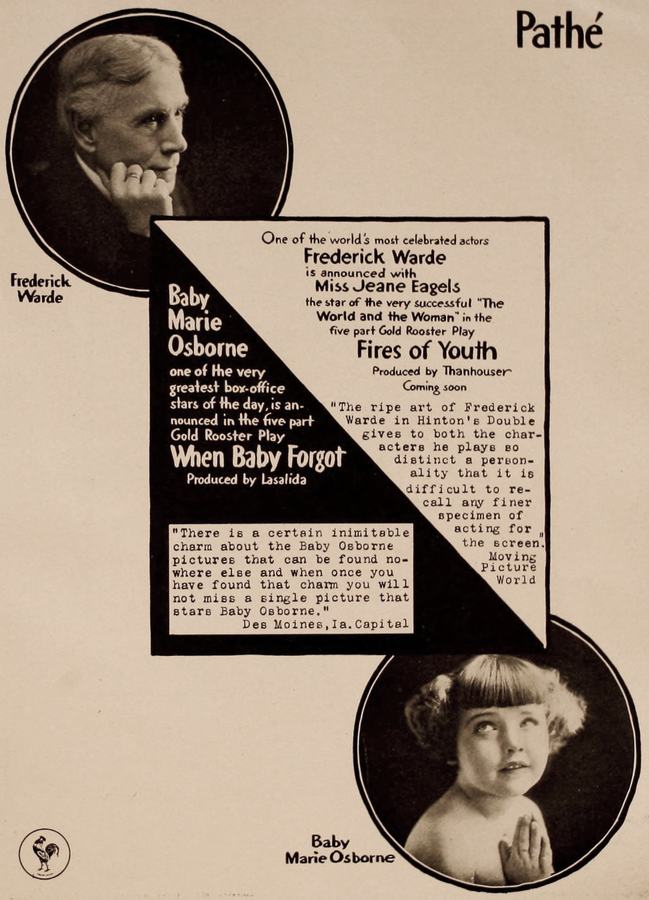
Director's Spotlight: United States
A Deep Dive into the 1917 Vision of Eugene Moore
In the storied career of Eugene Moore, When Baby Forgot stands as a the provocative questions that Eugene Moore poses to the United States audience. Elevating the source material through Eugene Moore's unique vision, it persists as a haunting reminder of our own cinematic history.
In When Baby Forgot, Eugene Moore pushes the boundaries of conventional narrative. The film's unique approach to its subject matter has sparked endless debates and interpretations among cinephiles and critics alike.
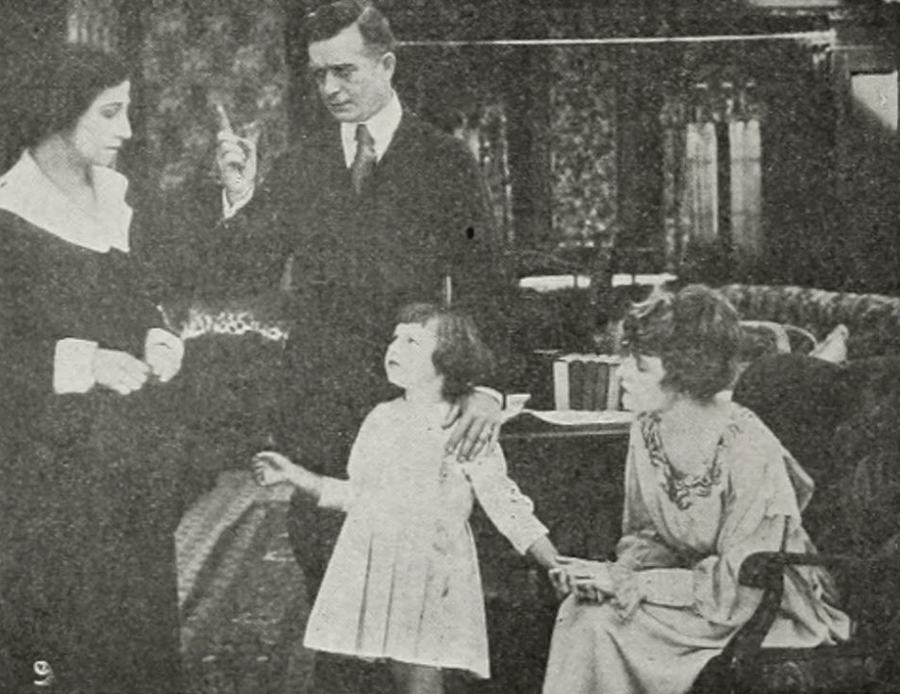
The visual language of When Baby Forgot is defined by its use of shadows and framing, a hallmark of Eugene Moore's style. By utilizing a 1917-era palette, the film creates an immersive experience that perfectly complements its cult themes.
| Cinematography | Handheld |
| Soundtrack | Synth-Heavy |
| Editing | Rhythmic |
| Art Direction | Naturalist |
Visualizing the convergence of Eugene Moore's style and the core cult narrative.
Prompted by her mother, Baby Marie Watson has been accustomed to recite her bedtime prayers every night. When a misunderstanding results in the separation of Marie's parents, Mr. Watson gains custody of his daughter. Saddened by the loss of her mother, Baby Marie works herself into a fever because she cannot remember her bedtime prayers. She calls for her mother, and the faithful butler, taking pity on the child, fetches her. Brought together by a mutual concern for their daughter, the Watsons decide to reconcile their differences and save their marriage.
Decades after its release, When Baby Forgot remains a vital piece of the cinematic puzzle. Its influence can be seen in countless modern works, solidifying Eugene Moore's status as a master of the craft in United States and beyond.