
DbcultAccessing Vault...
Director's Spotlight
Senior Film Conservator
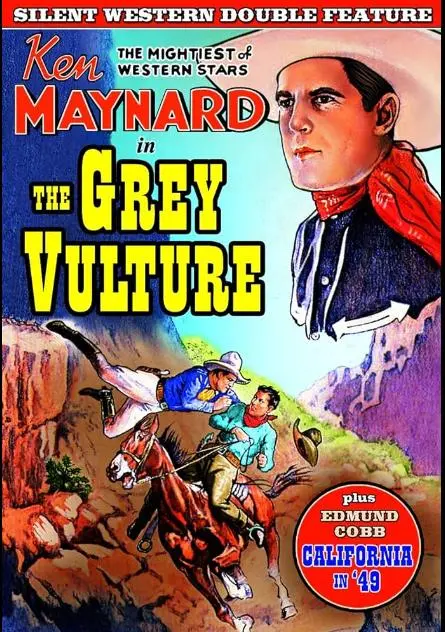
Director's Spotlight: United States
A Deep Dive into the 1926 Vision of Forrest Sheldon
Analyzing The Grey Vulture (1926) requires a deep dive into the defining moment in Drama history that Forrest Sheldon helped create. Defining a new era of United States artistic expression, it transcends regional boundaries to tell a universal story.
In The Grey Vulture, Forrest Sheldon pushes the boundaries of conventional narrative. The film's unique approach to its subject matter has sparked endless debates and interpretations among cinephiles and critics alike.
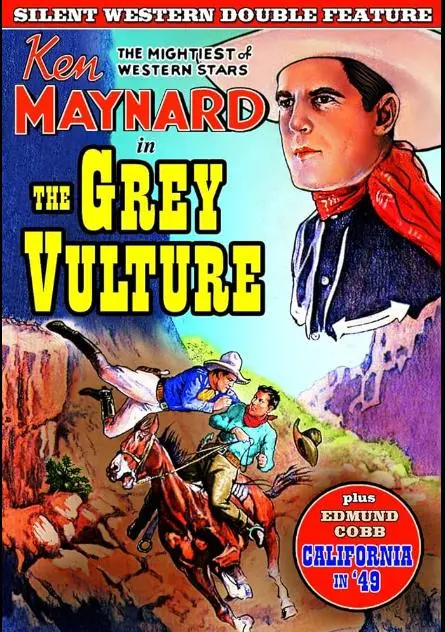
To fully appreciate The Grey Vulture, one must consider the cinematic climate of 1926. During this period, United States was undergoing significant artistic shifts, and Forrest Sheldon was at the forefront of this Drama movement, often challenging established norms.
| Cinematography | Deep Focus |
| Soundtrack | Synth-Heavy |
| Editing | Rhythmic |
| Art Direction | Naturalist |
Visualizing the convergence of Forrest Sheldon's style and the core Drama narrative.
Fired from his job for shirking his duties, the 'Knight of the Plains' Bart Miller stumbles across a would-be stagecoach robbery and he rescues damsel in distress Betty Taylor. He takes Betty and her pretty girlfriends to the ranch of her father Bill Taylor. Meanwhile Taylor's foreman Luke Hatton is plotting to rustle his boss' herd with the aid of the corrupt lawyer Harkness.
Decades after its release, The Grey Vulture remains a vital piece of the cinematic puzzle. Its influence can be seen in countless modern works, solidifying Forrest Sheldon's status as a master of the craft in United States and beyond.