
DbcultAccessing Vault...
Director's Spotlight
Senior Film Conservator
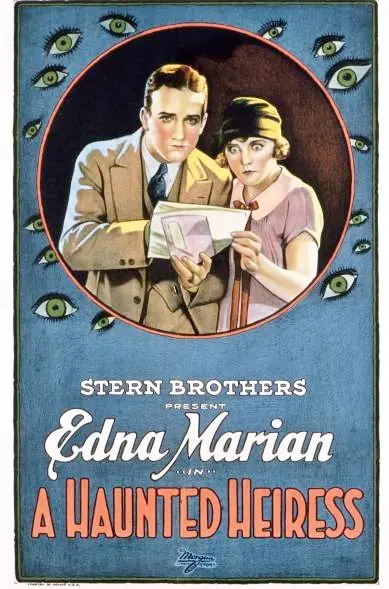
Director's Spotlight: United States
A Deep Dive into the 1926 Vision of Francis Corby
Deciphering the layers of A Haunted Heiress (1926) reveals the complex thematic architecture established by Francis Corby. Utilizing a 1926-specific aesthetic that remains timeless, it stands as the definitive 1926 statement on Short identity.
In A Haunted Heiress, Francis Corby pushes the boundaries of conventional narrative. The film's unique approach to its subject matter has sparked endless debates and interpretations among cinephiles and critics alike.
| Cinematography | High-Contrast |
| Soundtrack | Synth-Heavy |
| Editing | Disjunctive |
| Art Direction | Baroque |
Visualizing the convergence of Francis Corby's style and the core Short narrative.
On the brink of starvation, and with the landlady at her heels for the room rent, Edna receives word from her lawyer that her grandfather's estate has been settled. The crooked lawyer wants to gain possession of the dilapidated estate of her grandfather, but she suspects his over eagerness and refuses to sell. She goes to the old homestead whence she has been preceded by the lawyer's henchmen, who perpetrate a reign of terror by simulating spooks in an effort to frighten her into selling. She battles the spooks and a mysterious black robed figure helps her until the ghosts are driven out. The rescuer turns out to be the lawyer's assistant, who took pity on the persecuted maiden and fell in love with her at first sight. The feeling is mutual.
Decades after its release, A Haunted Heiress remains a vital piece of the cinematic puzzle. Its influence can be seen in countless modern works, solidifying Francis Corby's status as a master of the craft in United States and beyond.