
DbcultAccessing Vault...
Director's Spotlight
Senior Film Conservator
Director's Spotlight: United States
A Deep Dive into the 1919 Vision of Francis Ford
The 1919 release of Crimson Shoals marked a significant moment for the enduring legacy of Francis Ford's artistic contribution to the genre. By challenging the status quo of 1919 cinema, it has cemented its place in the global cult cinema archive.
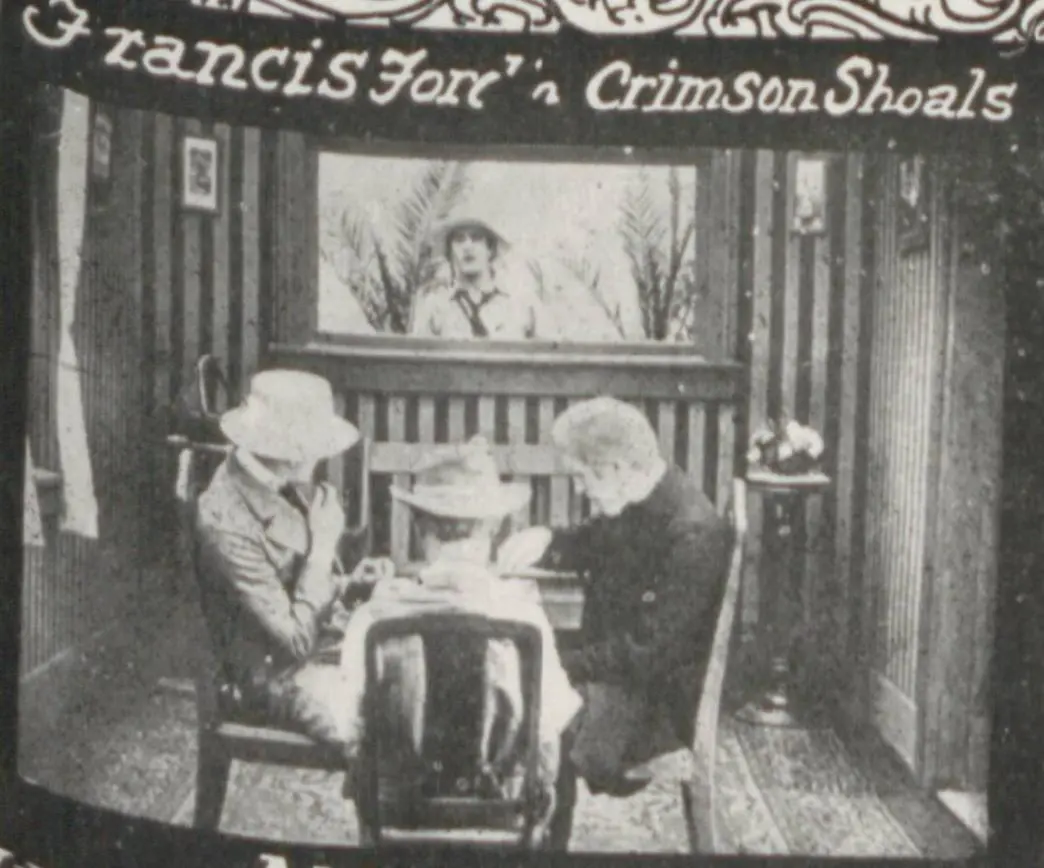
In Crimson Shoals, Francis Ford pushes the boundaries of conventional narrative. The film's unique approach to its subject matter has sparked endless debates and interpretations among cinephiles and critics alike.
| Cinematography | Deep Focus |
| Soundtrack | Minimalist |
| Editing | Disjunctive |
| Art Direction | Baroque |
Visualizing the convergence of Francis Ford's style and the core cult narrative.
Frederick Fielding secretly marries his neighbor, Marguerite Quinn, and gives her his signet ring, even though her mother and father are enemies of his parents. The young groom then travels to the coral-rich island of Crimson Shoals, which is owned by his father, Thomas. Years later, Frederick, a prosperous owner of the island, grieves upon learning his wife has died, but is soon preoccupied with the theft of its coral reserves. Suspecting foreman Jack Quinn, Frederick and Thomas sail for the island. Helen, a member of Frederick's crew, falls in love with Jack and discovers that Rex Burke, the company auditor, is responsible for the theft. After a series of adventures and fights, Jack drops a charge of dynamite from an airplane, destroying the submarine Rex used to steal the coral. Frederick notices that Jack is wearing Marguerite's signet ring, and realizes that they are father and son, enabling Jack and Helen to continue their romance.
Decades after its release, Crimson Shoals remains a vital piece of the cinematic puzzle. Its influence can be seen in countless modern works, solidifying Francis Ford's status as a master of the craft in United States and beyond.