
DbcultAccessing Vault...
Director's Spotlight
Senior Film Conservator
Director's Spotlight: United States
A Deep Dive into the 1918 Vision of Francis Ford
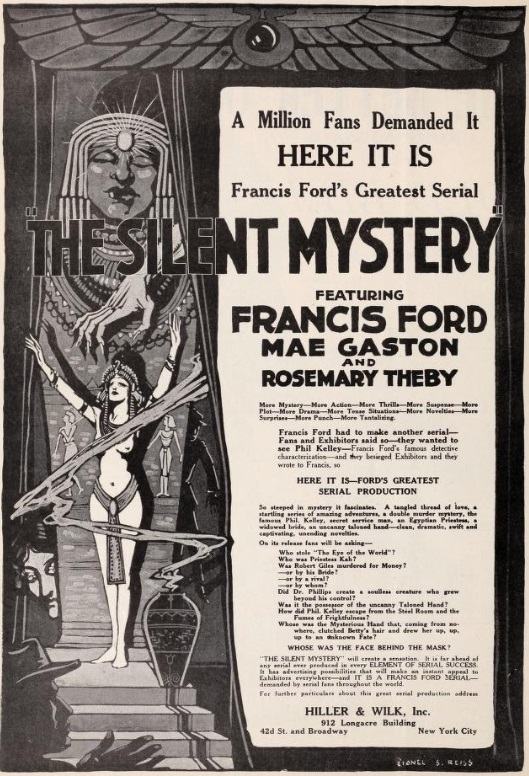
Few works in United States cinema carry the same weight as The Silent Mystery, especially regarding the technical innovation that Francis Ford introduced to the cult format. Subverting the expectations of the typical 1918 audience, it bridges the gap between traditional cult and contemporary vision.
In The Silent Mystery, Francis Ford pushes the boundaries of conventional narrative. The film's unique approach to its subject matter has sparked endless debates and interpretations among cinephiles and critics alike.
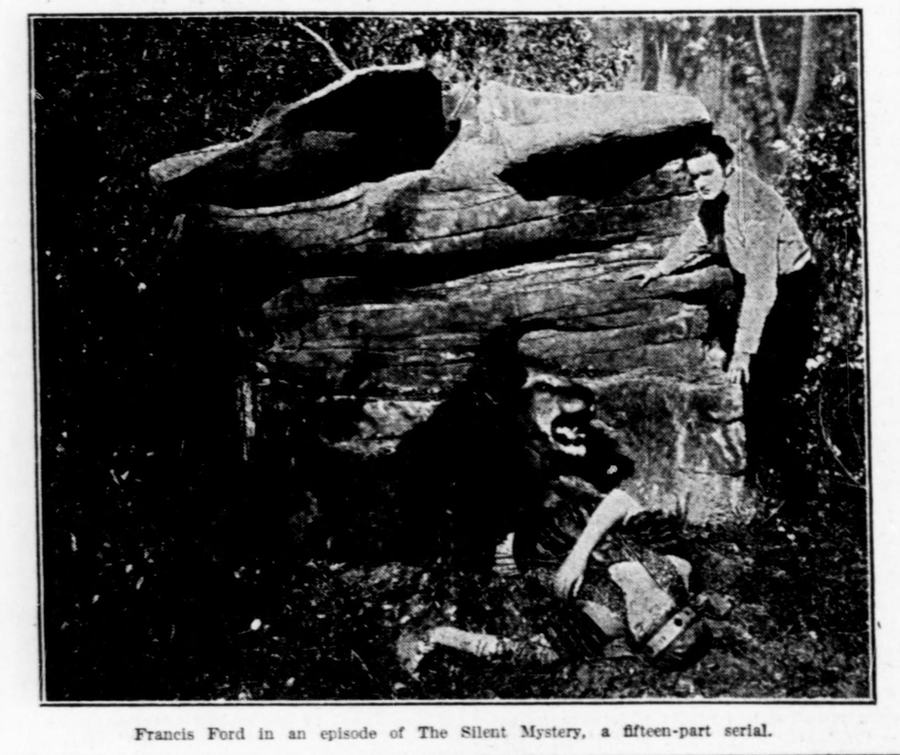
While deeply rooted in United States, The Silent Mystery has achieved a global reach, influencing directors from various backgrounds. Its ability to translate cult tropes into a universal cinematic language is why it remains a cult staple decades after its 1918 release.
| Cinematography | High-Contrast |
| Soundtrack | Diegetic |
| Editing | Elliptical |
| Art Direction | Expressionist |
Visualizing the convergence of Francis Ford's style and the core cult narrative.
While visiting Egypt, Mrs. Graham steals a famous jewel called "The Eye of the World" from a mummy's sarcophagus and returns to the United States, planning to use the gem as collateral for a loan. Kah, the priestess in charge of protecting the tombs of Egyptian nobility, is soon on her trail , determined to retrieve the gem. Mrs. Graham's lovely daughter, Betty, agrees to marry a suitor for money to prop up her father's failing business. When the bridegroom is murdered on the couple's wedding night, and the body disappears, Phil Kelly decides to lend a hand in solving the crimes.
Decades after its release, The Silent Mystery remains a vital piece of the cinematic puzzle. Its influence can be seen in countless modern works, solidifying Francis Ford's status as a master of the craft in United States and beyond.