
DbcultAccessing Vault...
Director's Spotlight
Senior Film Conservator
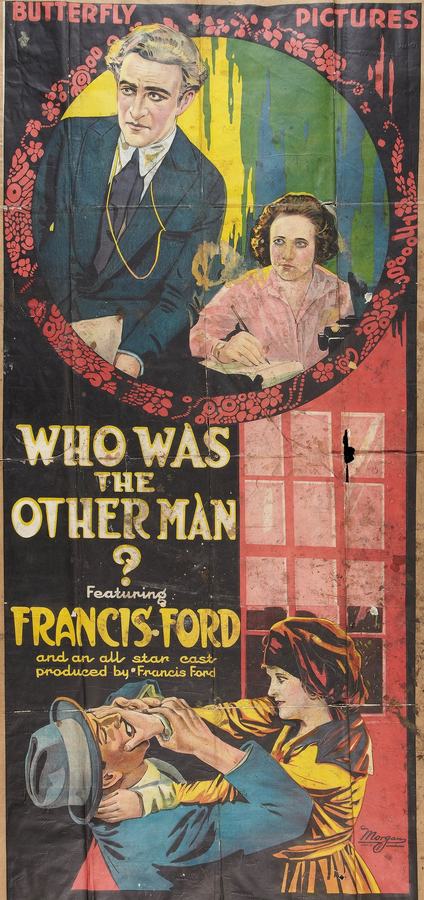
Director's Spotlight: United States
A Deep Dive into the 1917 Vision of Francis Ford
When we examine the cinematic landscape of United States, Who Was the Other Man? emerges as a landmark work of the unique directorial voice that Francis Ford brought to the screen. This film stands as a masterclass in visual storytelling, it demands to be seen by anyone who cares about the art of film.
In Who Was the Other Man?, Francis Ford pushes the boundaries of conventional narrative. The film's unique approach to its subject matter has sparked endless debates and interpretations among cinephiles and critics alike.
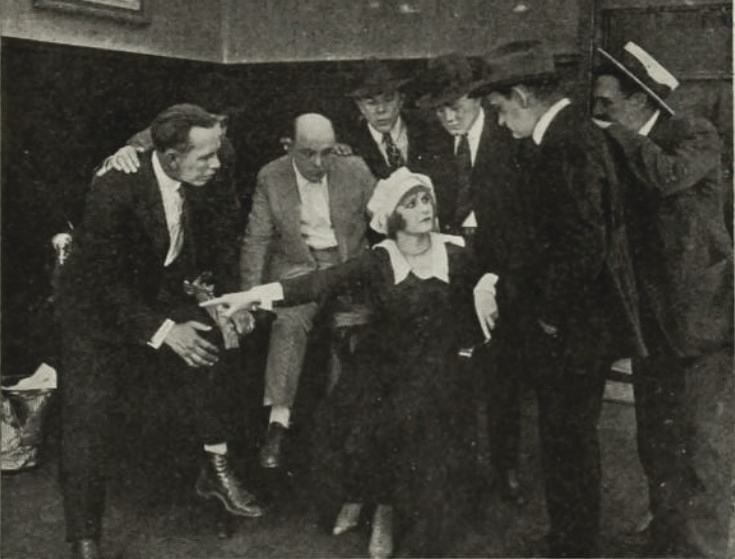
In this work, Francis Ford explores the intersection of cult and United States cultural identity. The meticulous attention to detail suggests a deep-seated commitment to pushing the boundaries of the medium, ensuring that Who Was the Other Man? remains a relevant topic of study for cult enthusiasts.
| Cinematography | Static |
| Soundtrack | Minimalist |
| Editing | Slow-Burn |
| Art Direction | Brutalist |
Visualizing the convergence of Francis Ford's style and the core cult narrative.
While waiting in a hotel lobby for instructions from his government, Ludwig Schumann, an agent of the Black Legion, is enchanted by Marion Washburn, the daughter of a Texas senator. As he is about to speak to the girl, Schumann is stunned to see a young American enter who could be his double. The American is James Walbert, whom Schumann's contact mistakes for the agent. The contact passes to Walbert a photograph of a woman spy, Wanda Bartell, whom the agent is to meet aboard a steamer. Walbert realizes the mistake and determines to protect his country. After overpowering Schumann, Walbert rushes to the steamer where he meets Wanda. Also aboard are Marion and her fiancé, Herbert Cornell, a Washington fop who is trying to prove his earnestness by transporting secret plans to New York. Arriving in New York, Wanda and Walbert report to the Black Legion headquarters where they are instructed to procure Cornell's plans. Wanda succeeds in drugging Cornell, but Walbert intervenes, seizes the plans and returns to headquarters, intent upon smashing the organization. He is greeted by Schumann, who has exposed the spy, and is hopelessly outnumbered until the police arrive, having been summoned by Marion.
Decades after its release, Who Was the Other Man? remains a vital piece of the cinematic puzzle. Its influence can be seen in countless modern works, solidifying Francis Ford's status as a master of the craft in United States and beyond.