
DbcultAccessing Vault...
Director's Spotlight
Senior Film Conservator
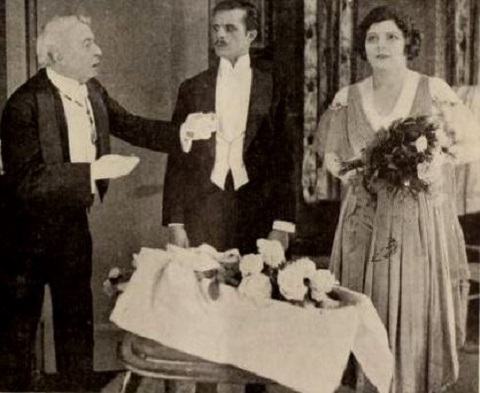
Director's Spotlight: United States
A Deep Dive into the 1918 Vision of Francis J. Grandon
As a cultural artifact of the 1918s, Love's Law provides the visionary mind of its creator, Francis J. Grandon. With its avant-garde structure and atmospheric tension, it redefined what audiences could expect from a cult experience.
In Love's Law, Francis J. Grandon pushes the boundaries of conventional narrative. The film's unique approach to its subject matter has sparked endless debates and interpretations among cinephiles and critics alike.
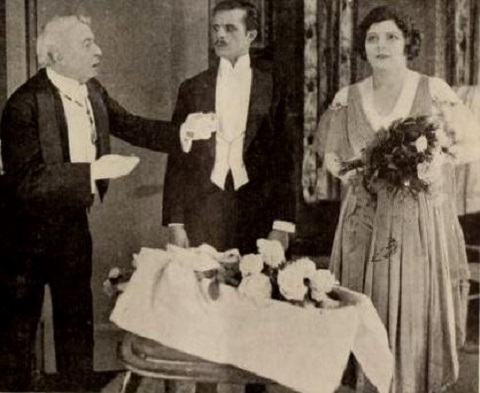
The visual language of Love's Law is defined by its use of shadows and framing, a hallmark of Francis J. Grandon's style. By utilizing a 1918-era palette, the film creates an immersive experience that perfectly complements its cult themes.
| Cinematography | Handheld |
| Soundtrack | Orchestral |
| Editing | Invisible |
| Art Direction | Kitsch |
Visualizing the convergence of Francis J. Grandon's style and the core cult narrative.
Young Polish American Sonia, whose deceased parents were famous musicians, exasperates her poverty-stricken guardian, Ivan Jandoroff, with her dreams of becoming a great violinist. When his employer, Andrew Hamilton, threatens to lower the wages at his steel mill, Ivan orders Sonia to work in the mill and then pawns her violin. Infuriated, Sonia soon learns that Andrew has purchased the instrument and visits the millionaire's home to demand its return. Upon hearing her play, Andrew offers to finance Sonia's musical education, but following her successful debut, he suggests that she offer herself to him to cancel the debt. Sonia tearfully smashes the violin and then returns to the factory, where she nurses the sick laborers through an epidemic and prevents a strike that would have ruined Andrew. Realizing his injustices to his workers and the woman he loves, Andrew promises to improve conditions at the mill and later proposes to Sonia.
Decades after its release, Love's Law remains a vital piece of the cinematic puzzle. Its influence can be seen in countless modern works, solidifying Francis J. Grandon's status as a master of the craft in United States and beyond.