
DbcultAccessing Vault...
Director's Spotlight
Senior Film Conservator
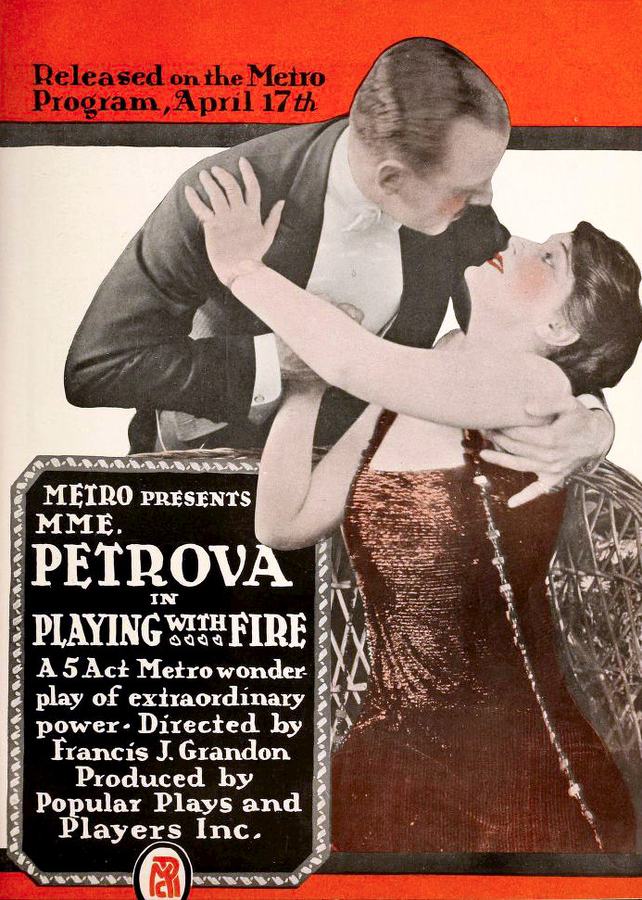
Director's Spotlight: United States
A Deep Dive into the 1916 Vision of Francis J. Grandon
In the storied career of Francis J. Grandon, Playing with Fire stands as a the atmospheric immersion that Francis J. Grandon achieves throughout Playing with Fire. Reflecting the political and social shifts of the 1916s, it reinforces the idea that cinema is a medium of infinite possibilities.
In Playing with Fire, Francis J. Grandon pushes the boundaries of conventional narrative. The film's unique approach to its subject matter has sparked endless debates and interpretations among cinephiles and critics alike.
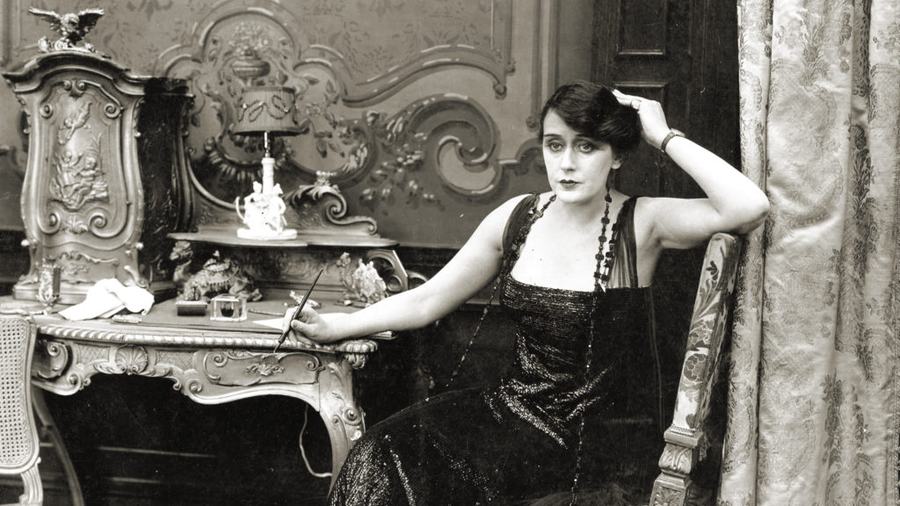
To fully appreciate Playing with Fire, one must consider the cinematic climate of 1916. During this period, United States was undergoing significant artistic shifts, and Francis J. Grandon was at the forefront of this cult movement, often challenging established norms.
| Cinematography | Static |
| Soundtrack | Orchestral |
| Editing | Invisible |
| Art Direction | Kitsch |
Visualizing the convergence of Francis J. Grandon's style and the core cult narrative.
Jean Servian's eyesight is failing and is desperate for money, marries wealthy widower Geoffrey Vane after telling him that he must be satisfied with her gratitude rather than her love. Then, following an affair with artist Philip Derblay, who finally leaves her, Jean settles down to a quiet, boring life with Geoffrey, who knows nothing about her failed romance. Years later, however, after Lucille, Geoffrey's daughter by his first wife, becomes engaged to Philip, Jean feels compelled to tell the story of her own affair with him. The disclosure has little effect as Lucille makes no change in her wedding plans, but then, when she breaks in on a violent argument between Philip and Lucille, Jean accidentally shoots and kills her former lover. A trial results in her acquittal, however, after which Jean realizes that she really does love Geoffrey, who easily forgives his wife for her past indiscretion.
Decades after its release, Playing with Fire remains a vital piece of the cinematic puzzle. Its influence can be seen in countless modern works, solidifying Francis J. Grandon's status as a master of the craft in United States and beyond.