
DbcultAccessing Vault...
Director's Spotlight
Senior Film Conservator
Director's Spotlight: United States
A Deep Dive into the 1915 Vision of Francis J. Grandon
The cult DNA of Strathmore is a reflection of United States's the subversive storytelling techniques employed by Francis J. Grandon in 1915. Breaking the traditional rules of cult engagement, it leaves an indelible mark on the soul of the viewer.
In Strathmore, Francis J. Grandon pushes the boundaries of conventional narrative. The film's unique approach to its subject matter has sparked endless debates and interpretations among cinephiles and critics alike.
While deeply rooted in United States, Strathmore has achieved a global reach, influencing directors from various backgrounds. Its ability to translate cult tropes into a universal cinematic language is why it remains a cult staple decades after its 1915 release.
| Cinematography | Deep Focus |
| Soundtrack | Minimalist |
| Editing | Disjunctive |
| Art Direction | Baroque |
Visualizing the convergence of Francis J. Grandon's style and the core cult narrative.
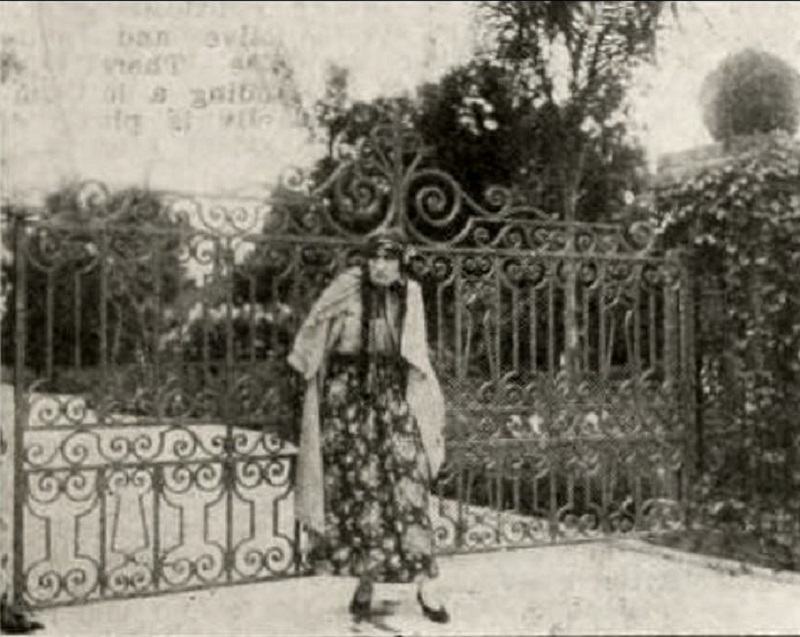
Strathmore, a woman hater, falls in love with "Lady" Vavasour after having reproached his friend, Bertie Errol, for his attentions to Lucille, the little farm girl. Errol, too, has trifled with the Vavasour woman and warns Strathmore that she is thoroughly bad and not really Vavasour's wife at all. They quarrel and fight a duel in which Erroll is killed. He has left a letter to Strathmore, explaining that Lucille, the daughter of exiled but noble Russians, is really his wife though he has kept the marriage secret for fear of offending his family and wealthy uncle. When the news of Errol's death is brought to her, Mrs. Errol dies of shock and Strathmore adopts and rears the daughter of this match who has been named Lucille for her mother. Lord Strathmore drives "Lady" Vavasour from society and completely exposes her, for he holds her responsible for the trouble between himself and Errol. As the years pass, Lucille grows into a beautiful girl, and when the Comte de Valdor proposes for her hand she refuses him, revealing that she loves Strathmore. Because he has killed her father, he hesitates, but in the end he marries her. "Lady" Vavasour, affected by the girl's happiness, foregoes exposing the truth of her father's death.
Decades after its release, Strathmore remains a vital piece of the cinematic puzzle. Its influence can be seen in countless modern works, solidifying Francis J. Grandon's status as a master of the craft in United States and beyond.