
DbcultAccessing Vault...
Director's Spotlight
Senior Film Conservator
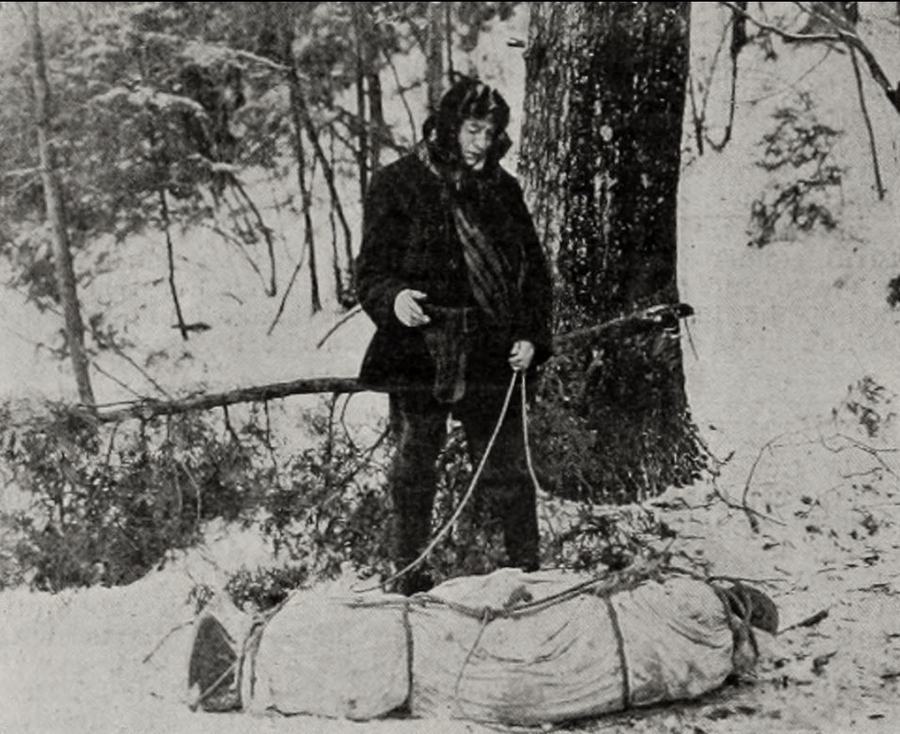
Director's Spotlight: United States
A Deep Dive into the 1916 Vision of Francis J. Grandon
The thematic gravity of The Lure of Heart's Desire (1916) is rooted in the artistic risks taken by Francis J. Grandon that eventually paid off. Defining a new era of United States artistic expression, it demands to be seen by anyone who cares about the art of film.
In The Lure of Heart's Desire, Francis J. Grandon pushes the boundaries of conventional narrative. The film's unique approach to its subject matter has sparked endless debates and interpretations among cinephiles and critics alike.
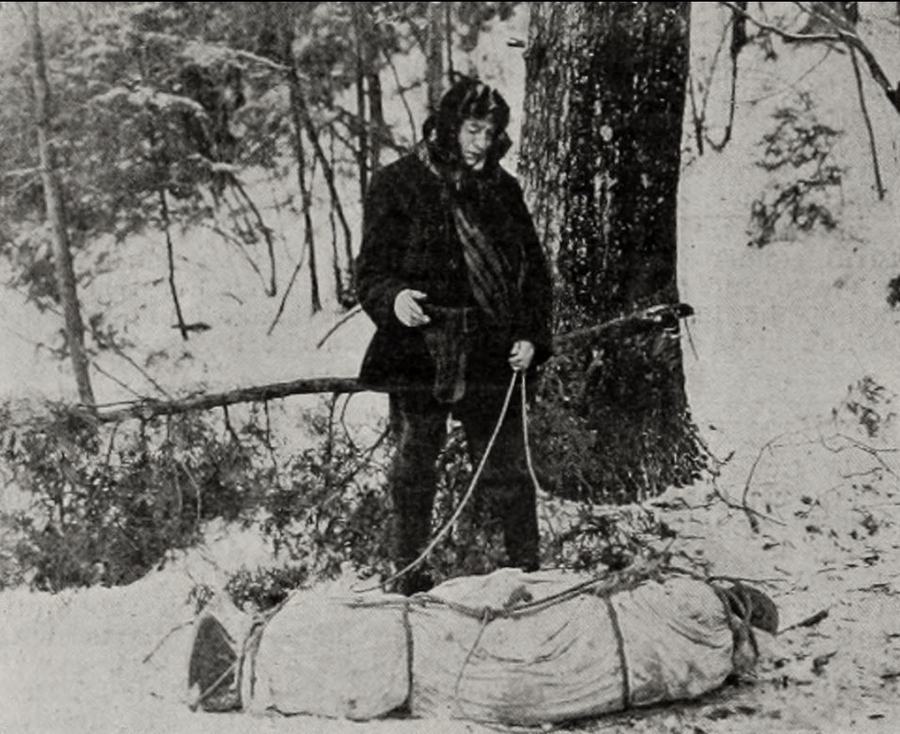
To fully appreciate The Lure of Heart's Desire, one must consider the cinematic climate of 1916. During this period, United States was undergoing significant artistic shifts, and Francis J. Grandon was at the forefront of this cult movement, often challenging established norms.
| Cinematography | Handheld |
| Soundtrack | Experimental |
| Editing | Elliptical |
| Art Direction | Expressionist |
Visualizing the convergence of Francis J. Grandon's style and the core cult narrative.
When socialite Ethel Wyndham turns down his marriage proposal because of his working-class status, Jim Carew leaves civilization and goes prospecting in the Yukon. While striking it rich in Alaska, he begins a romance with Little Snowbird, but before settling down with her, he decides to take one last look at life in the big city, and so he goes to New York. At a restaurant there, he sees Ethel, and immediately tells her of his success and proposes once again. Ethel is tempted to accept him until Thomas Martin, who has involved her in a blackmail operation, threatens to expose her if she marries Jim. Once again broken-hearted, Jim returns to Little Snowbird, only to find that, believing that he would never return, she committed suicide. Before dying, however, she gave birth to their daughter, to whom Jim devotes the rest of his life.
Decades after its release, The Lure of Heart's Desire remains a vital piece of the cinematic puzzle. Its influence can be seen in countless modern works, solidifying Francis J. Grandon's status as a master of the craft in United States and beyond.