
DbcultAccessing Vault...
Director's Spotlight
Senior Film Conservator
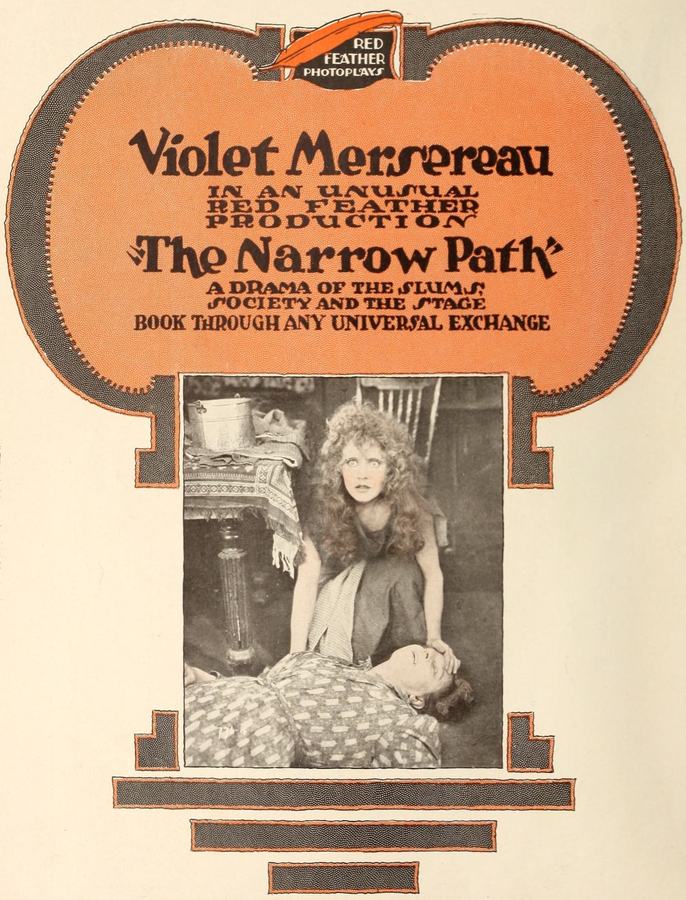
Director's Spotlight: United States
A Deep Dive into the 1916 Vision of Francis J. Grandon
The enduring fascination with The Narrow Path is a testament to the defining moment in cult history that Francis J. Grandon helped create. This film stands as a masterclass in visual storytelling, it has cemented its place in the global cult cinema archive.
In The Narrow Path, Francis J. Grandon pushes the boundaries of conventional narrative. The film's unique approach to its subject matter has sparked endless debates and interpretations among cinephiles and critics alike.
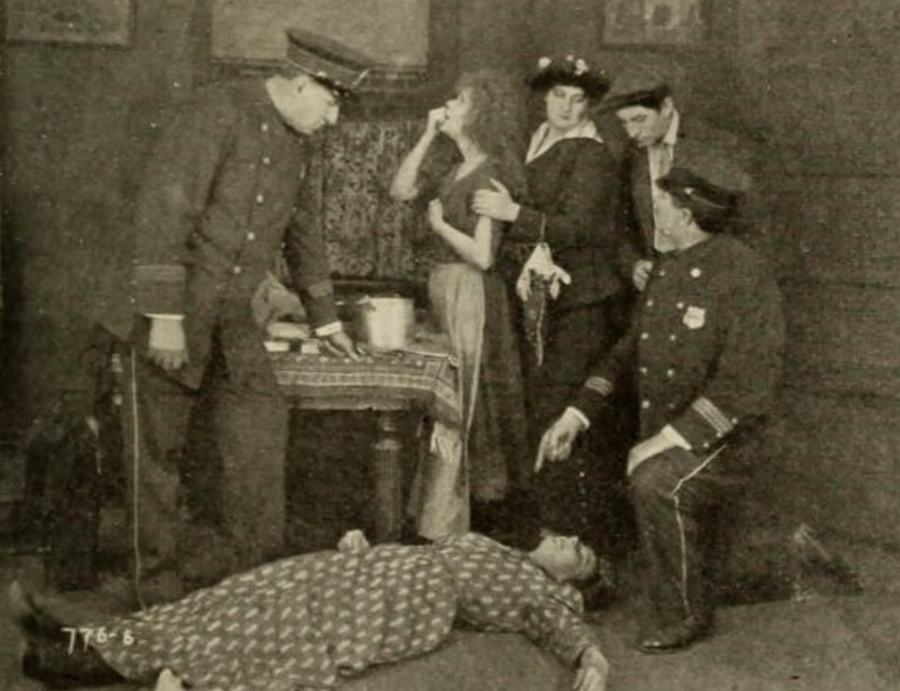
The visual language of The Narrow Path is defined by its use of shadows and framing, a hallmark of Francis J. Grandon's style. By utilizing a 1916-era palette, the film creates an immersive experience that perfectly complements its cult themes.
| Cinematography | Deep Focus |
| Soundtrack | Experimental |
| Editing | Elliptical |
| Art Direction | Expressionist |
Visualizing the convergence of Francis J. Grandon's style and the core cult narrative.
Bessie, a girl of the slums, is left an orphan. Her father was a drunkard and during one of his periods of intoxication he killed his wife and then, in trying to escape, was himself killed. Left destitute, Bessie is invited by a couple of youngsters to keep house for them. The two boys earn enough money selling papers to keep up the little establishment and Bessie does the housework. One day as she is playing in the street she is run over by an auto belonging to society lady Mrs. Latham, who feels sorry for her and visits her at the hospital where she is taken. On leaving the hospital Bessie goes to see the wealthy widow, who procures her a position at a modiste's shop. A couple of months later Bessie goes to a cheap dance hall with a friend, where she is noticed by theatrical agent Abrams, who offers her a job as a cabaret dancer and she accepts. While dancing in the cabaret she is noticed by wealthy clubman Shirley Martin, who says that he will make her a great dancer. He introduces her to a manager and all arrangements are made for the Broadway production. Shirley expects a price for his favors, but to his chagrin, he discovers that Bessie is incorruptible. Bessie's debut as a dancer is a success. Mrs. Latham, who has designs on Shirley's money, is jealous of the attentions he is paying the little dancer. She plans to so compromise her that his love will be cured. Accordingly, she invites the two of them on a weekend trip to the country and then, at the last minute, does not go herself. When the two young people arrive at the hotel, they find rooms engaged for Mr. and Mrs. Shirley Martin. When Bessie confesses that she loves him, he tries to force his attentions on her, but she repulses him. Then Shirley realizes that he has acted like a cad and when he asks her to marry him the next day, she agrees. Meanwhile, Mrs. Latham has written a note to Old Man Martin saying that Bessie is trying to ruin his son's life and that if he does not want a scandal, he must go at once to the hotel where they are registered as husband and wife. Martin hurries down and finds them there the next day. He accuses Bessie of having designs on Shirley and forbids the marriage. So Bessie, thinking that perhaps after all, the marriage would not be for the best, agrees to go away. When Shirley finds out what his father has done, he is furious, and says that he will not come home until his father consents to the marriage. But he cannot find Bessie, as she has left without giving anyone her address except old Martin. But at the Martin home, the mother has become ill, and the doctor thinks that the only thing that will save her life is a reunion with her boy. So Mr. Martin hunts up Shirley at the club and persuades him to come home for the sake of his mother, and then he goes to find Bessie. Of course the two are reunited and agree to have the long-delayed wedding take place at once.
Decades after its release, The Narrow Path remains a vital piece of the cinematic puzzle. Its influence can be seen in countless modern works, solidifying Francis J. Grandon's status as a master of the craft in United States and beyond.