
DbcultAccessing Vault...
Director's Spotlight
Senior Film Conservator
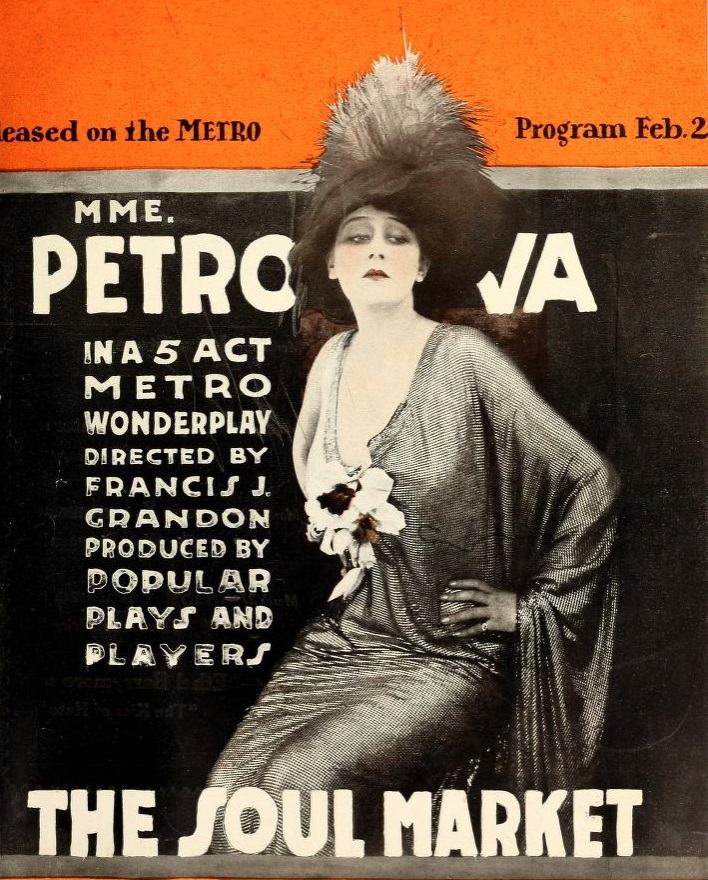
Director's Spotlight: United States
A Deep Dive into the 1916 Vision of Francis J. Grandon
Peeling back the layers of Francis J. Grandon's The Soul Market exposes the collaborative alchemy between Francis J. Grandon and the 1916 creative team. Anchored by a narrative that is both personal and universal, it reinforces the idea that cinema is a medium of infinite possibilities.
In The Soul Market, Francis J. Grandon pushes the boundaries of conventional narrative. The film's unique approach to its subject matter has sparked endless debates and interpretations among cinephiles and critics alike.
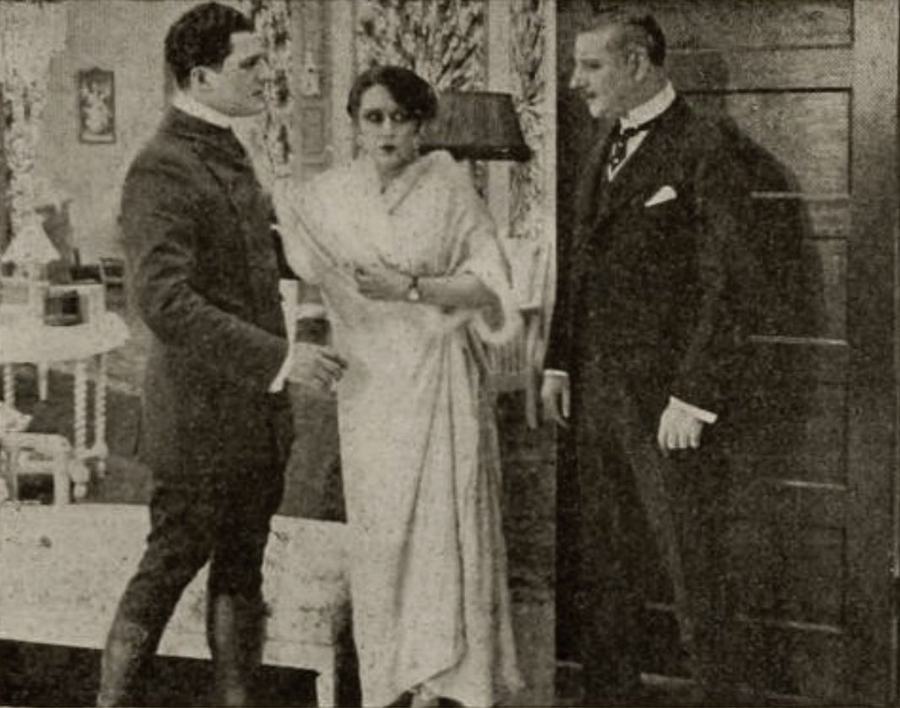
In this work, Francis J. Grandon explores the intersection of cult and United States cultural identity. The meticulous attention to detail suggests a deep-seated commitment to pushing the boundaries of the medium, ensuring that The Soul Market remains a relevant topic of study for cult enthusiasts.
| Cinematography | Noir-Inspired |
| Soundtrack | Experimental |
| Editing | Invisible |
| Art Direction | Kitsch |
Visualizing the convergence of Francis J. Grandon's style and the core cult narrative.
Two passionate suitors pursue actress Elaine Elton Oscar Billings, the head of several large theaters, and millionaire Jack Dexter, whom she has never met. To force her to spend time with him, Jack pretends to be a chauffeur and gets a job with Elaine, who soon feels quite attracted to him. Then, Oscar combines a marriage proposal with a threat, and tells Elaine that she will never work again if she refuses to become his wife. Elaine gives in and marries Oscar, but then murders him because of his numerous affairs, after which she herself dies while trying to escape from the police. Elaine then wakes up, and after realizing that her marriage and the events that followed it were a bad dream, decides that the nightmare may have foretold the future. As a result, she ignores Oscar's threat to her career, and marries her millionaire chauffeur.
Decades after its release, The Soul Market remains a vital piece of the cinematic puzzle. Its influence can be seen in countless modern works, solidifying Francis J. Grandon's status as a master of the craft in United States and beyond.