
DbcultAccessing Vault...
Director's Spotlight
Senior Film Conservator
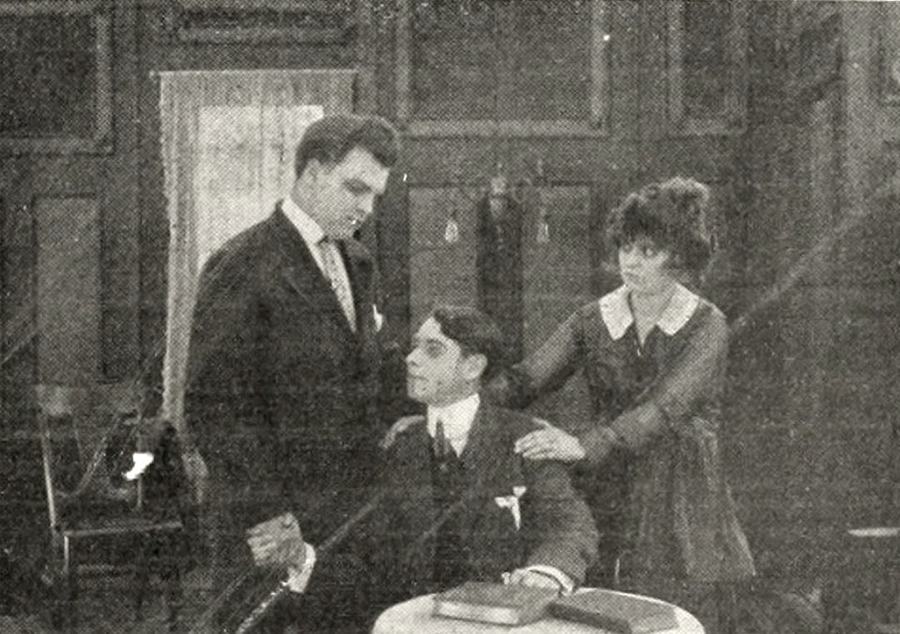
Director's Spotlight: United States
A Deep Dive into the 1915 Vision of Frank B. Coigne
The brilliance of The Battle of Ballots (1915) is inseparable from a monumental shift in cult filmmaking spearheaded by Frank B. Coigne. Occupying a unique space between cult and pure art, it serves as a blueprint for future generations of cult directors.
In The Battle of Ballots, Frank B. Coigne pushes the boundaries of conventional narrative. The film's unique approach to its subject matter has sparked endless debates and interpretations among cinephiles and critics alike.
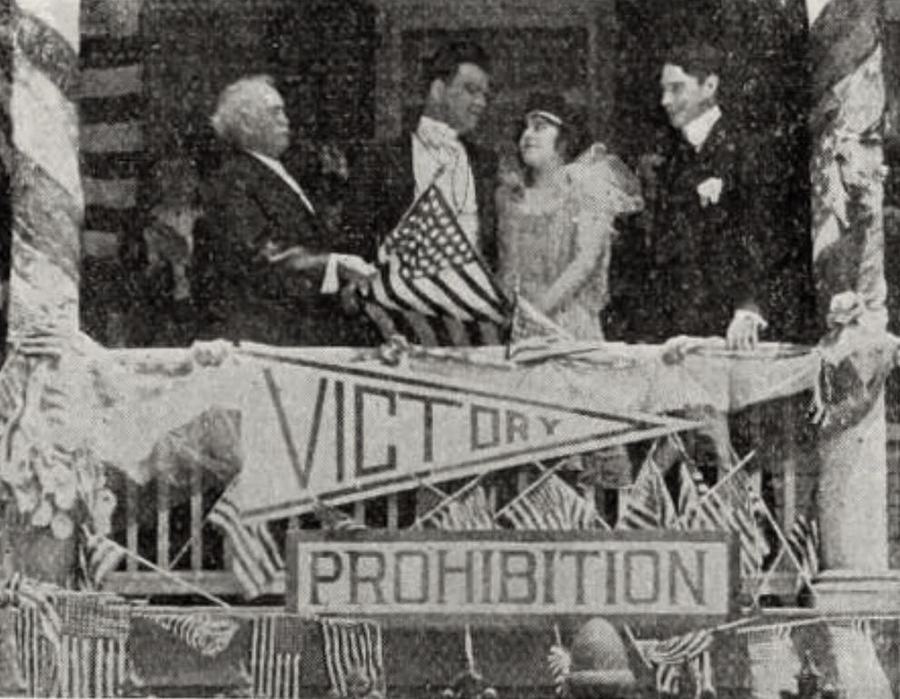
The visual language of The Battle of Ballots is defined by its use of shadows and framing, a hallmark of Frank B. Coigne's style. By utilizing a 1915-era palette, the film creates an immersive experience that perfectly complements its cult themes.
| Cinematography | Static |
| Soundtrack | Synth-Heavy |
| Editing | Rhythmic |
| Art Direction | Naturalist |
Visualizing the convergence of Frank B. Coigne's style and the core cult narrative.
Oma loves Jack and refuses to marry Hartman. Jack protects her and they eventually get married. Lafe and Hazelet have been good friends for years. Hartman tells Lafe that Hazelet voted dry. Lafe and Hazelet have a fight. Lafe builds a spite fence so Oma and Jack cannot communicate. Lafe dies with delirium tremens. Mrs. Tuthill dies from injuries received from Lafe while he is drunk. Just before Mrs. Hazelet passes away her husband promises her never to vote wet again. Maude Le Fever, the siren, who married Alfred Tuthill, deserts him and runs away with Sam Weber; she later deserts him. Alcohol kills old Dan Weber and leaves Sam a poverty-stricken wretch. Alfred Tuthill is redeemed from rum and builds a picture theater where the old saloon once stood and becomes a respected citizen. Jack is elected Mayor of the city, defeating Hartman by a large majority.
Decades after its release, The Battle of Ballots remains a vital piece of the cinematic puzzle. Its influence can be seen in countless modern works, solidifying Frank B. Coigne's status as a master of the craft in United States and beyond.