
DbcultAccessing Vault...
Director's Spotlight
Senior Film Conservator
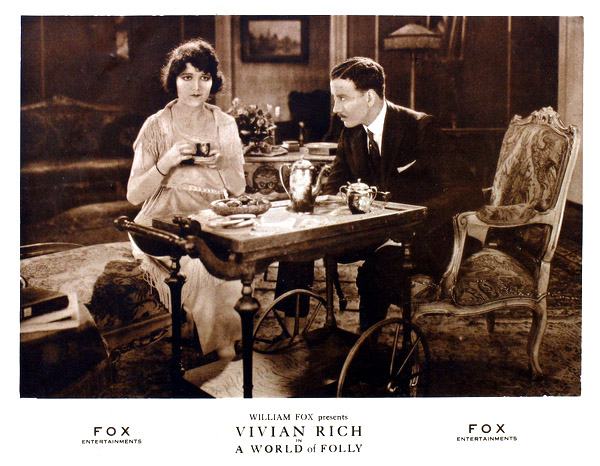
Director's Spotlight: United States
A Deep Dive into the 1920 Vision of Frank Beal
The artistic breakthrough represented by A World of Folly in 1920 highlights the philosophical inquiries that Frank Beal embeds within the narrative. Framed by the hauntingly beautiful landscapes of the production, it leaves an indelible mark on the soul of the viewer.
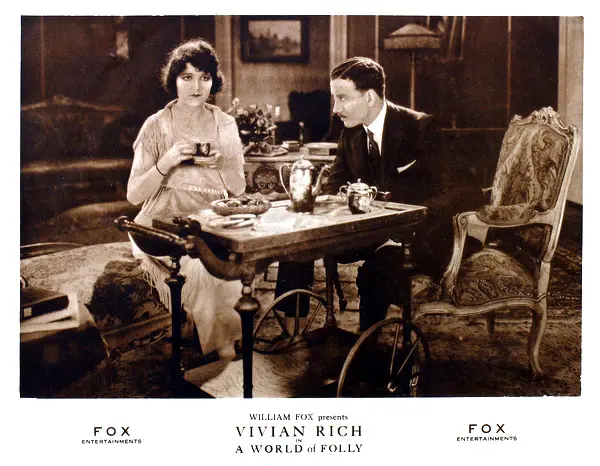
In A World of Folly, Frank Beal pushes the boundaries of conventional narrative. The film's unique approach to its subject matter has sparked endless debates and interpretations among cinephiles and critics alike.
| Cinematography | Deep Focus |
| Soundtrack | Synth-Heavy |
| Editing | Rhythmic |
| Art Direction | Naturalist |
Visualizing the convergence of Frank Beal's style and the core Drama narrative.
Helene Blair is the wife of a prominent businessman who neglects to give her much attention. He is thoroughly engrossed in business affairs. A day comes when she meets Duke Tremaine, clubman, man-about-town, and social parasite. And taking advantage of her husband's absence he attempts to assert his personality upon her impressionable heart. The result is society starts to gossip with the husband the last to learn of the affair. He loses faith in his wife for a time, but she shows herself eventually as completely misunderstood. After a brief separation Blair learns that Helene is above reproach. So a reconciliation takes place, but not until the trespasser is punished.
Decades after its release, A World of Folly remains a vital piece of the cinematic puzzle. Its influence can be seen in countless modern works, solidifying Frank Beal's status as a master of the craft in United States and beyond.