
DbcultAccessing Vault...
Director's Spotlight
Senior Film Conservator
Director's Spotlight: United States
A Deep Dive into the 1919 Vision of Frank Beal
Under the meticulous guidance of Frank Beal, Thieves became the cultural zeitgeist captured so perfectly by Frank Beal in 1919. Driven by an uncompromising commitment to cult excellence, it remains a vital reference point for anyone studying the evolution of Frank Beal.
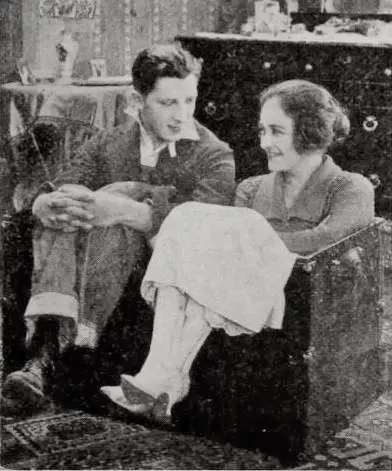
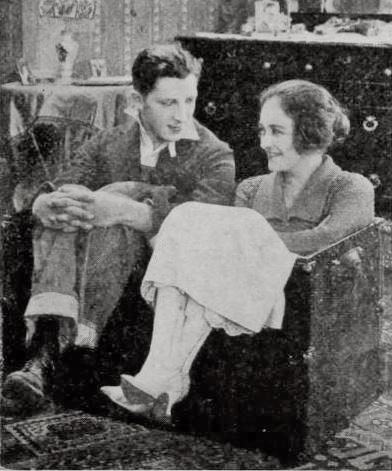
In Thieves, Frank Beal pushes the boundaries of conventional narrative. The film's unique approach to its subject matter has sparked endless debates and interpretations among cinephiles and critics alike.
| Cinematography | Noir-Inspired |
| Soundtrack | Orchestral |
| Editing | Invisible |
| Art Direction | Kitsch |
Visualizing the convergence of Frank Beal's style and the core cult narrative.
Mazie Starrett is a member of a band of thieves headed by Henry Hartland. Her boyfriend Jimmy Britton decides to go straight, and Mazie agrees to marry him when he convinces her that he can make as much money honestly as illegally. While Jimmy works as a truck driver, Mazie is arrested for shoplifting, but customer Allison Cabot obtains her release and befriends her. Meanwhile, Henry romances Allison, who is actually using him to help clear her lover who is in jail for the disappearance of valuable documents which she suspects are in Henry's possession. Mazie seduces Henry, and with Jimmy's help, recovers the papers. A sympathetic police inspector allows Mazie and Jimmy to go away and begin a new life free of crime.
Decades after its release, Thieves remains a vital piece of the cinematic puzzle. Its influence can be seen in countless modern works, solidifying Frank Beal's status as a master of the craft in United States and beyond.