
DbcultAccessing Vault...
Director's Spotlight
Senior Film Conservator
Director's Spotlight: United States
A Deep Dive into the 1917 Vision of Frank Borzage
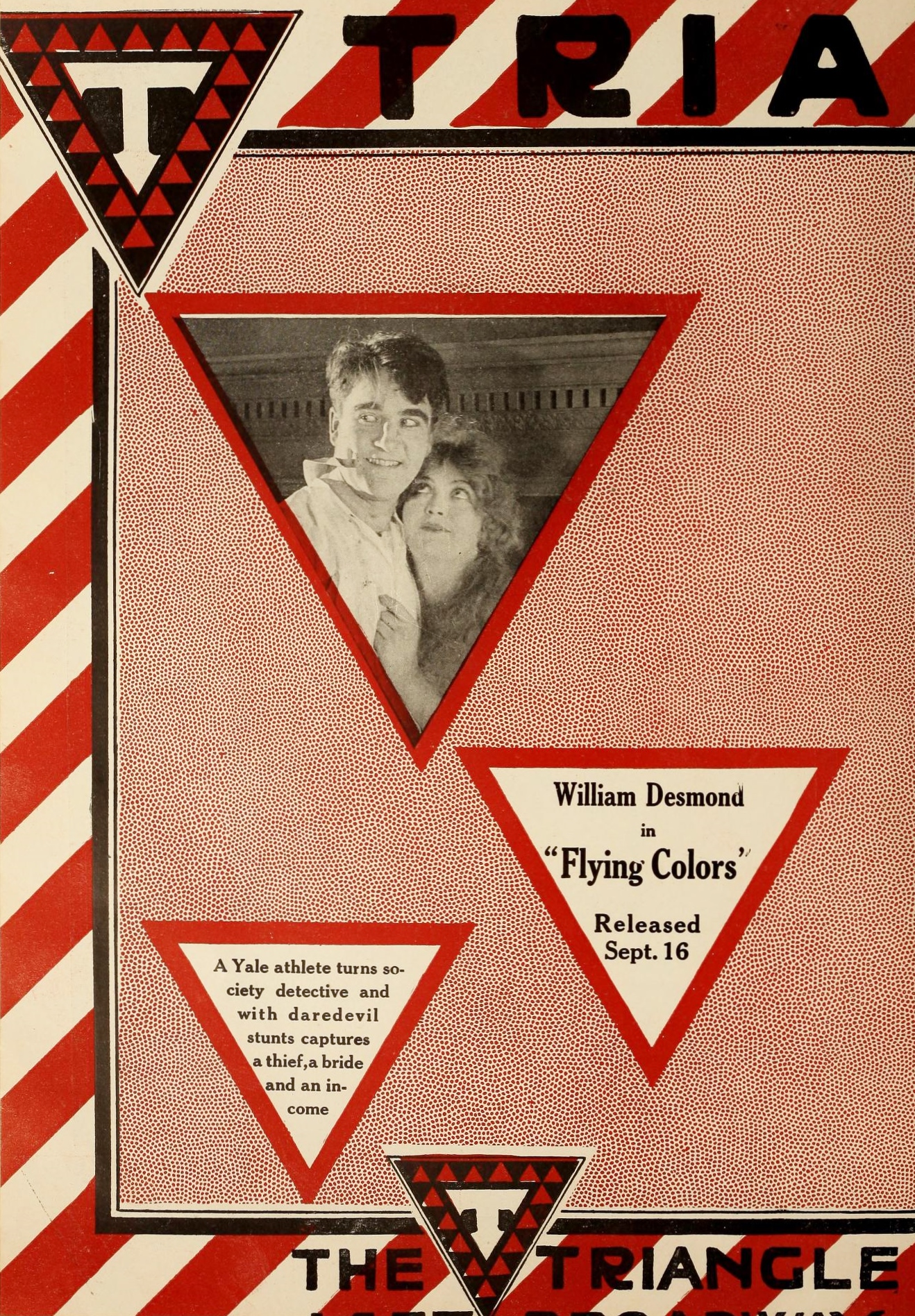
Deciphering the layers of Flying Colors (1917) reveals a monumental shift in cult filmmaking spearheaded by Frank Borzage. With its avant-garde structure and atmospheric tension, offering layers of thematic complexity that demand repeated viewing.
In Flying Colors, Frank Borzage pushes the boundaries of conventional narrative. The film's unique approach to its subject matter has sparked endless debates and interpretations among cinephiles and critics alike.
While deeply rooted in United States, Flying Colors has achieved a global reach, influencing directors from various backgrounds. Its ability to translate cult tropes into a universal cinematic language is why it remains a cult staple decades after its 1917 release.
| Cinematography | Static |
| Soundtrack | Experimental |
| Editing | Invisible |
| Art Direction | Kitsch |
Visualizing the convergence of Frank Borzage's style and the core cult narrative.
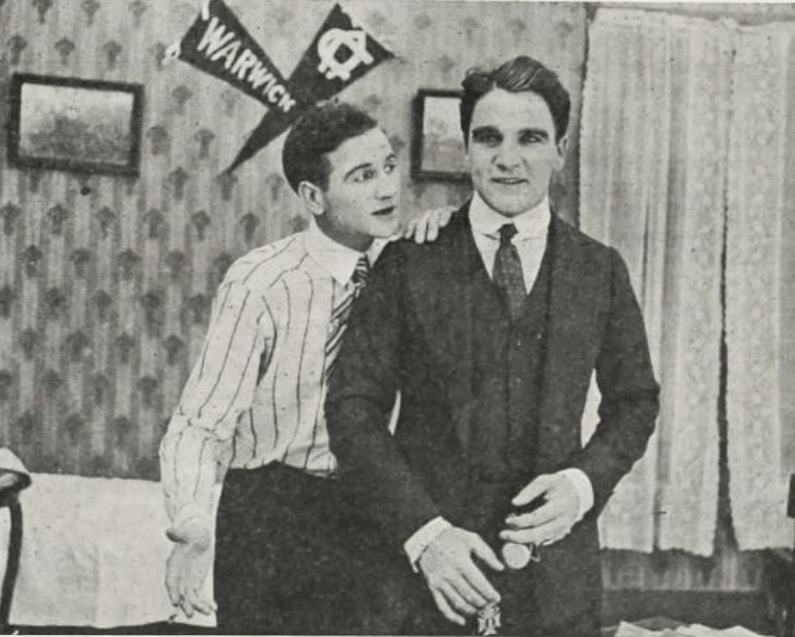
Brent Brewster, formerly a Yale athlete known for his pole vaulting prowess, is unsuccessful in business. When his wealthy relatives send him out to fend for himself, Brent joins a detective agency. After Craig Lansing, a family friend, hires Brent to investigate the numerous jewel thefts in Poughkeepsie, Brent works undercover at Lansing's house party and recognizes Captain Drake, an English crook. Although Brent temporarily forgets detective work when he meets Ann, the beautiful sister of Lansing's wife Ruth, Ann's remark that $40,000 a year would be enough for her to live on brings Brent back to the job. Meanwhile, Drake is intent on compromising Ruth, who flirts with him while Lansing is away. When Lansing returns unexpectedly, Brent accepts the blame for the flirtation to protect Ruth's honor, because of his love for Ann. After Brent vaults with a clothes pole through a window to prevent Drake's escape, Drake is exposed. Brent then learns that he has inherited a legacy which will enable him to satisfy Ann's monetary needs.
Decades after its release, Flying Colors remains a vital piece of the cinematic puzzle. Its influence can be seen in countless modern works, solidifying Frank Borzage's status as a master of the craft in United States and beyond.