
DbcultAccessing Vault...
Director's Spotlight
Senior Film Conservator
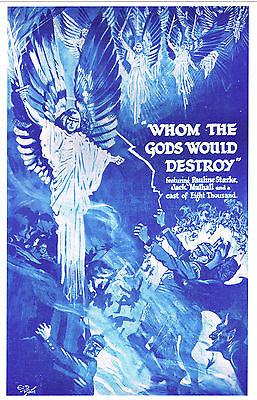
Director's Spotlight: United States
A Deep Dive into the 1919 Vision of Frank Borzage
Witnessing the stylistic transformation of cult through Whom the Gods Would Destroy reveals the global recognition that Frank Borzage garnered after the release of Whom the Gods Would Destroy. Serving as a mirror to the anxieties of a changing world, offering layers of thematic complexity that demand repeated viewing.
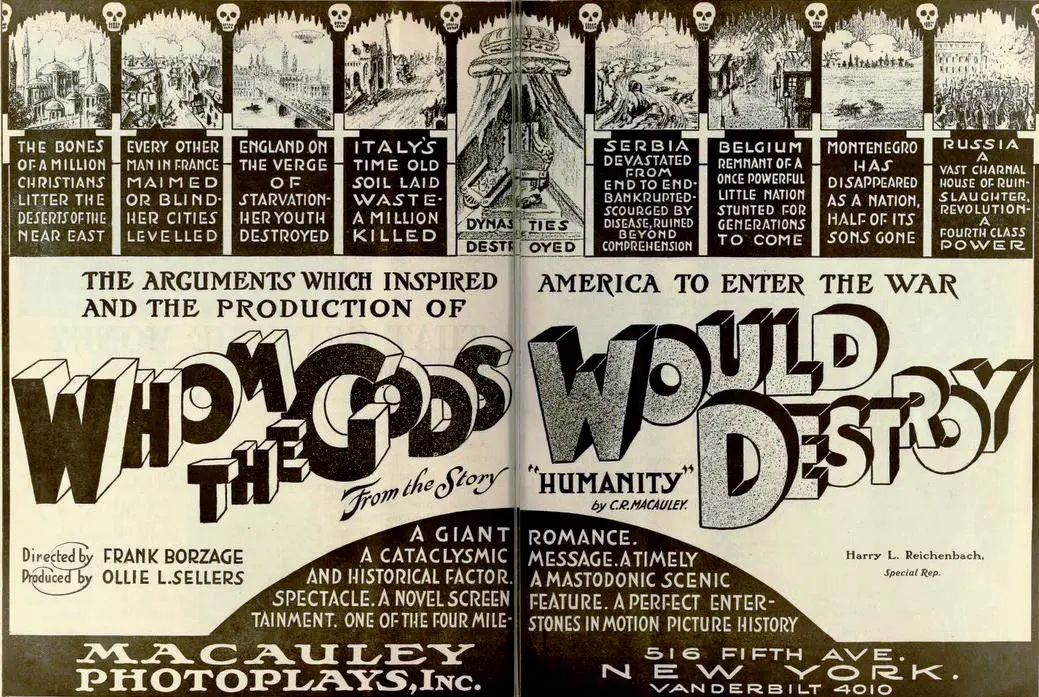
In Whom the Gods Would Destroy, Frank Borzage pushes the boundaries of conventional narrative. The film's unique approach to its subject matter has sparked endless debates and interpretations among cinephiles and critics alike.
| Cinematography | Handheld |
| Soundtrack | Experimental |
| Editing | Elliptical |
| Art Direction | Expressionist |
Visualizing the convergence of Frank Borzage's style and the core cult narrative.
After a young inventor discovers a powerful new explosive, agents from a German chemical firm induce him to study at a German university. While there, he is repelled by certain aspects of the people, and he leaves for Belgium. When the war begins, the inventor saves a Belgian burgomaster's daughter from Prussian invaders. The inventor and the girl endure horrible suffering because of the war, but they find happiness at its end, while the formerly fighting nations direct their effort towards world peace at the Paris conferences. The assassination of Kurt Eisner of Bavaria occurs at the end.
Decades after its release, Whom the Gods Would Destroy remains a vital piece of the cinematic puzzle. Its influence can be seen in countless modern works, solidifying Frank Borzage's status as a master of the craft in United States and beyond.